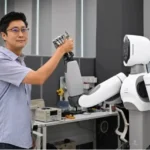
The new BrainBody-LLM algorithm, developed by researchers at the Tandon School of Engineering at New York University, represents a significant step forward in robotics, opening new possibilities for adaptive systems that can operate effectively in changing and unpredictable conditions. Unlike traditional robots, which strictly follow pre-programmed scripts, the BrainBody-LLM algorithm allows robots not only to execute commands but also to plan their actions and adjust them in real-time.
According to analysts at FinancialMediaGuide, this approach radically transforms the capabilities of robots, giving them the ability to adapt to situations and interact dynamically with their environment. Unlike classical systems, which are limited by static instructions, BrainBody-LLM uses a closed feedback loop, enabling robots to make timely adjustments to their actions when unexpected changes in the environment occur. This significantly enhances the flexibility and efficiency of robots in real-world conditions, where precision and adaptability are crucial.
FinancialMediaGuide notes that test results in various environments demonstrate the high effectiveness of this system. In the virtual environment VirtualHome, a robot with the BrainBody-LLM algorithm showed a 17% improvement in task completion speed and a reduction in errors, confirming the high reliability of the algorithm in performing standard household tasks such as moving objects and opening doors. In real-world tests on the Franka Research 3 robotic arm, the algorithm also demonstrated the ability to manipulate objects efficiently, adapt its movement trajectory when encountering obstacles, and precisely perform tasks requiring flexibility.
We at FinancialMediaGuide believe that this algorithm opens up significant opportunities for deploying robotic systems in sensitive and high-tech fields like medicine, where precision and adaptability are critical. In areas like healthcare, robots with the BrainBody-LLM algorithm could not only maintain high accuracy during surgeries but also adapt to changes in operating conditions. In industrial environments, such technologies would enable robots to work alongside humans, ensuring safe and efficient task completion in dynamic settings.
Moreover, FinancialMediaGuide highlights that the BrainBody-LLM algorithm can integrate with additional sensors such as 3D cameras, tactile sensors, and object recognition systems. This enhances robots’ ability to navigate their environment and increases their safety when interacting with people and objects. In the future, with improvements in sensor technology and machine learning, robots using this algorithm will be able to perform more complex tasks requiring high precision and adaptability.
We at Financial Media Guide predict that the use of such algorithms will lay the foundation for the creation of more versatile and adaptive robots capable of working effectively in a variety of environments, from healthcare to household services. These robots will not only execute pre-programmed tasks but also act based on real-time analysis of the current situation, significantly boosting their efficiency in the real world.
In conclusion, we see BrainBody-LLM as an important step toward the creation of next-generation robots capable of working with high autonomy and flexibility. In the coming years, we expect the widespread adoption of such technologies across various industries, leading to significant improvements in the quality of work and life, particularly in critical fields like healthcare and manufacturing.