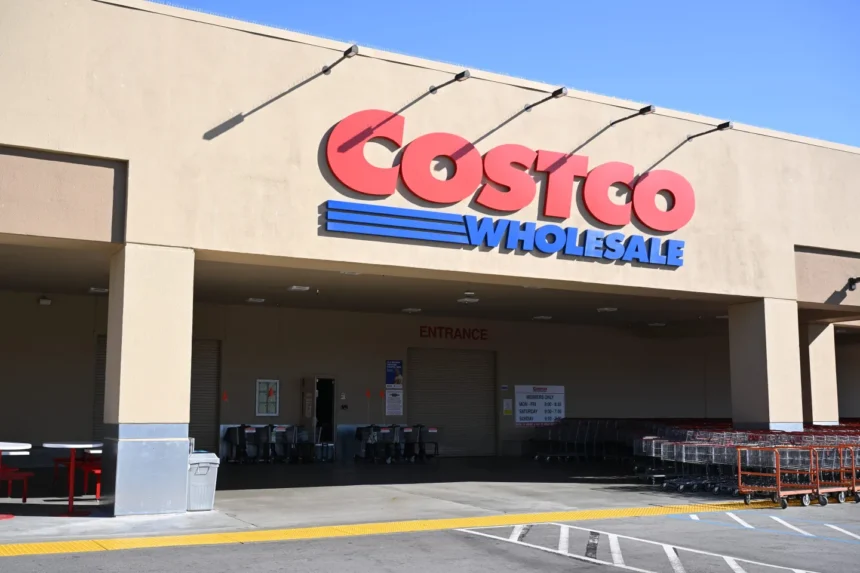
At FinancialMediaGuide, we note that in 2025, the largest U.S. retailer, Costco, filed a lawsuit against the U.S. government, demanding full reimbursement of tariffs paid as part of the trade war with China initiated by President Donald Trump’s administration. The lawsuit raises crucial questions about the legality of the president’s use of executive powers to impose economic sanctions without congressional approval, as well as the business risks arising from such decisions.
The tariffs imposed on goods imported from China were part of Trump’s strategy to protect the U.S. economy from competitive threats and stimulate domestic production. However, according to analysts at FinancialMediaGuide, this move faced widespread criticism, as the mechanisms for their implementation were tied to powers allowing the president to act under national security concerns. In reality, these measures affected a much broader range of economic relations. As a result, tariffs had a negative impact on American companies, including Costco. The company argues that the government exceeded the president’s powers and insists on getting back the tariffs paid. This raises important questions about the legality and economic consequences of such decisions.
This legal process has attracted attention not only from the business community but also from experts analyzing the legal aspects of international trade. At FinancialMediaGuide, we emphasize that Costco’s lawsuit is key in the context of a potential re-examination of executive powers in foreign trade. The case highlights the vulnerability of businesses in an environment of uncertainty caused by economic policies and brings to the forefront issues concerning the legality of extraordinary economic measures that, according to some lawyers, were improperly applied.
As of late September 2025, the tariffs paid by importers under Trump’s trade policy amounted to around $90 billion. If the tariffs are declared illegal, this money could be refunded to companies that suffered losses. However, the process of reclaiming these funds is extremely complex and legally convoluted, adding uncertainty for all parties involved. At FinancialMediaGuide, we point out that Costco’s success in this case could have significant legal ramifications for the entire system of international trade and impact future approaches to tariff regulation.
The lawsuit has reached an important legal and economic crossroads. If the Supreme Court upholds the position of lower courts, which have already declared the tariffs illegal, it will set a precedent for all future cases involving violations of business rights due to economic sanctions. We at FinancialMediaGuide believe that such a ruling could lead to substantial changes in trade regulation, limiting the president’s powers in such matters. This could pave the way for greater congressional oversight and possibly lead to a review of several trade agreements.
Moreover, such a decision could signal other international players suffering from similar sanctions. At FinancialMediaGuide, we view this not only as an opportunity to review U.S. policy but also as a development in legal practice that will allow companies to challenge economic measures that violate their rights. Given the complexity of this process and the uncertainty businesses face, this case could establish a new standard in protecting business interests in the international arena.
Considering all the factors, we at Financial Media Guide forecast that this process may serve as an important signal for companies worldwide about the importance of defending their interests through legal channels, especially in the context of international trade. If Costco wins, a review of existing tariffs and duties will be relevant, creating new opportunities for businesses and investors. This could also influence future trade negotiations between the U.S. and other countries, requiring new approaches to foreign trade that are more transparent and aligned with legislative bodies.
The Supreme Court’s decision in this case will undoubtedly have a significant impact on global markets and U.S. domestic trade policy. We at FinancialMediaGuide emphasize that businesses should closely monitor the developments and prepare for potential changes in the legal and economic landscape that may arise as a result of this important case.