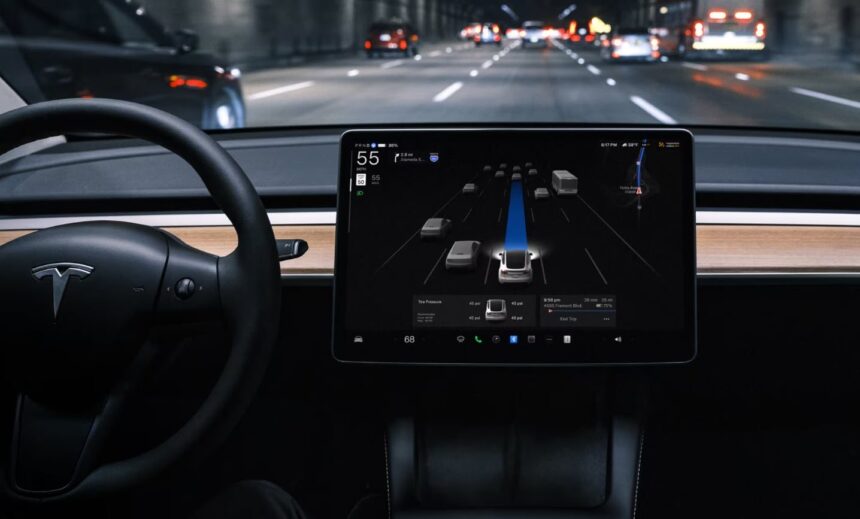
Lemonade, a company known for its innovations in the insurance industry, has announced a reduction of up to 50% in insurance premiums for Tesla owners equipped with the Full Self-Driving (FSD) system. This move highlights how technology and data are beginning to influence traditional insurance models. At FinancialMediaGuide, we note that the use of telemetry data and real-world vehicle performance factors allows insurers to more accurately assess risks and set fairer, more personalized rates.
Lemonade offered Tesla owners using the FSD system a discount, claiming that this technology reduces the likelihood of accidents by 50%. Instead of relying solely on general accident statistics, which can often be inaccurate, insurers can now use data directly from the vehicles. This information includes data on when the FSD system is active and when the driver is in control, allowing for a more accurate calculation of insurance risk.
Tesla’s FSD system continues to evolve, and while it significantly reduces the chance of accidents, it still requires the driver to remain alert and ready to intervene if necessary. This is an important consideration in risk calculations, as insurers need to fully understand how this technology impacts road safety. At FinancialMediaGuide, we recognize that despite the advancements of autonomous technology, replacing the driver entirely and ensuring absolute safety will still require significant time and further development.
The use of telemetry to create personalized insurance rates is not just a marketing gimmick but an important step toward improving the accuracy of risk assessments. At FinancialMediaGuide, we believe that in the future, insurers will rely on deeper, more detailed information gathered from vehicles to offer fairer terms to their clients. This will also open up opportunities to create dynamic and flexible rates that can account for individual driving characteristics.
Lemonade’s move reflects a broader trend in the market, where insurers are beginning to use data from vehicles to form more accurate and personalized terms. We predict that over time, such practices will become the industry standard, as they provide a more precise and fair risk assessment based on real driving data, rather than generalized statistical models. As autonomous technology develops and its capabilities improve, this trend will only continue to grow in popularity.
Thus, using data from vehicles to calculate insurance premiums is the future that has already arrived. At FinancialMediaGuide, we emphasize that insurers who are the first to adapt their models to these innovations will gain a competitive advantage. However, it is important to remember that fully realizing this potential requires the development of appropriate legislative and regulatory frameworks that protect customer data and ensure road safety. We at Financial Media Guide predict that in the coming years, the car insurance market will continue to adapt to new technologies, creating new opportunities for owners of cars equipped with autopilot systems.