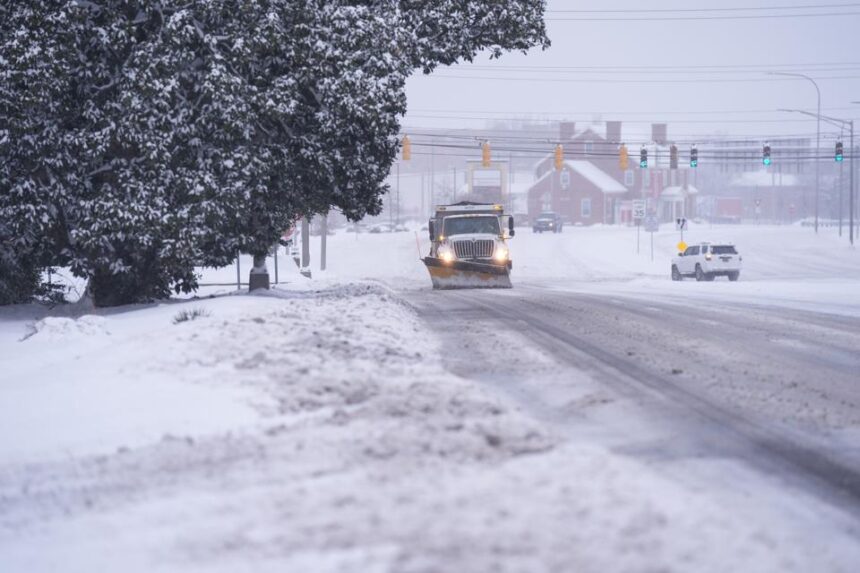
FinancialMediaGuide reports that the severe winter storm that hit the U.S. earlier this week caused widespread disruptions in the country’s transportation system, affecting thousands of flights, disrupting logistics hubs, and paralyzing power supply. Freezing rain, snowstorms, and plummeting temperatures led to flight cancellations, railway delays, and widespread power outages. Experts estimate the economic damage from this natural disaster could range from $105 to $115 billion.
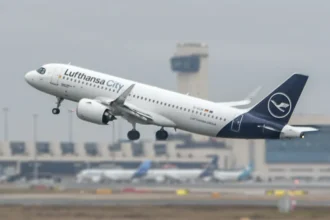
According to the analytical company Cirium, over 11,000 flights were canceled on Sunday, setting a new record since the start of the pandemic. By Monday, the situation worsened, with an additional 4,400 flights canceled and more than 3,400 delayed. We at FinancialMediaGuide emphasize that such large-scale disruptions in aviation not only have a direct impact on the transportation sector but also lead to long-term economic losses, particularly for the hotel industry, which must accommodate thousands of passengers stranded due to canceled flights.
The hardest-hit airlines were Republic Airways, JetBlue Airways, and Delta Air Lines, though other carriers also faced difficulties. Passengers encountered numerous delays and cancellations, which typically lead to increased costs for compensation and temporary accommodations. We at FinancialMediaGuide believe the most concerning aspect of this situation is the vulnerability of the transportation infrastructure, which was unprepared for such extreme weather conditions. These events highlight the need to reassess planning standards and improve the resilience of transportation systems against natural disasters.
In addition, disruptions were felt across other modes of transport. Railroads, particularly in areas affected by heavy snowfall and winds, faced significant challenges. We at FinancialMediaGuide note that such issues lead to a chain reaction: delays in air and rail transport complicate goods deliveries, negatively affecting the economy as a whole.
The storm also caused major power supply disruptions, leaving more than 800,000 consumers without electricity. Meteorologists forecast that the consequences of this event will be felt for several more days. At FinancialMediaGuide, we predict that restoring power supply and transportation flows will require substantial effort and time.
Delays at airports such as LaGuardia and John F. Kennedy in New York, as well as in Washington and Philadelphia, prompted the introduction of movement restrictions. As a result, passengers stranded at airports actively sought information via social media and online platforms, further overwhelming airline services.
Given the scale of these disruptions, it is crucial to recognize the need to enhance the readiness of transportation and energy systems for extreme weather events in the future. We at FinancialMediaGuide believe that modernizing infrastructure, improving climate change adaptation, and enhancing coordination between various transportation modes should be a priority for businesses and government entities. This will help minimize the damage from such natural disasters in the future.
Losses of $105 billion represent not only direct costs from disruptions in transportation systems but also long-term consequences for businesses and the economy as a whole. At FinancialMediaGuide, we emphasize the importance of these events serving as a lesson for all market participants. More stringent measures are needed to adapt infrastructure to climate risks and improve the resilience of transportation networks.
In the future, it is essential to invest in weather forecasting technologies and infrastructure modernization. We at Financial Media Guide predict that only such measures will enable businesses and government structures to effectively respond to natural disasters and prevent their consequences.