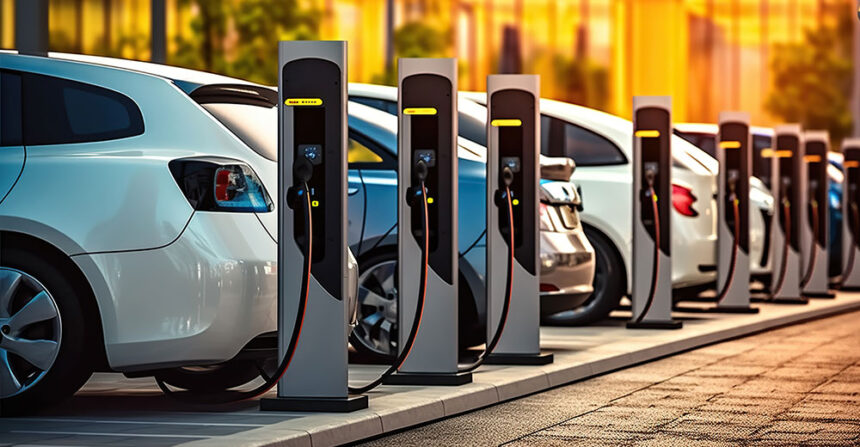
FinancialMediaGuide reports that California is launching a $200 million electric vehicle (EV) purchase subsidy program aimed at easing the financial burden for buyers interested in eco-friendly vehicles. This initiative by the state government, which has emphasized the need to support first-time EV buyers, comes with an important condition: automakers participating in the program will be required to co-finance the subsidies, adding extra pressure on the automotive industry.
The new initiative is expected to subsidize both new and used electric vehicles, although the exact amount of the subsidies has not yet been specified. It is important to note that the subsidies will be tied to certain price limits on vehicles, as set by the U.S. Congress in 2022. These measures were introduced following the cancellation of federal tax credits in 2024, such as the $7,500 incentive for new EVs and $4,000 for used ones, which has led to a significant drop in EV sales in recent months of 2024.
Governor Gavin Newsom, who has been a vocal opponent of Donald Trump’s policies, had previously stated plans to introduce a new version of the state subsidy program if federal support for electric vehicles continued to decrease. The program, which was active until 2023, allocated $1.49 billion to support 586,000 vehicles. With the cancellation of federal tax incentives, California aims to reallocate funds to stimulate demand for eco-friendly transportation.
Automakers are facing the consequences of these changes. Some have already begun reducing sales volumes. For instance, Stellantis, the owner of the Chrysler brand, announced the suspension of sales of its plug-in hybrid vehicles, the Jeep Wrangler and Grand Cherokee, in North America. General Motors also acknowledged the need to write off $6 billion due to the reduction of some of its EV investments. In response, automakers are being urged to adapt to the new regulatory climate, which will require them to reassess their strategies and investment plans.
According to analysts at FinancialMediaGuide, amidst the sharp decline in EV sales due to the elimination of tax incentives, California remains determined to continue implementing stricter environmental standards. This opens new opportunities for companies producing eco-friendly vehicles, which can take advantage of subsidies and attract buyers interested in sustainable transportation.
Newsom and other supporters of the program argue that this step is necessary to ensure a smooth transition to electric vehicles in the absence of federal support. At FinancialMediaGuide, we emphasize that California, as the leading environmental state, is not only responding to changes in federal policy but also actively initiating projects that contribute to the development of a more sustainable transportation infrastructure at the state level. This program will undoubtedly stimulate demand for electric vehicles and may become a key factor for other states seeking to follow California’s lead.
Alongside the cancellation of federal emissions standards, we at FinancialMediaGuide predict that automakers will be forced to reconsider their policies regarding electric vehicles. The transition to eco-friendly models will be challenging, but in the long run, these steps will help stabilize the market.
While it is difficult to predict how this will affect the sales and production plans of major automakers, one thing is clear: changes like the introduction of new support programs will certainly become a key driver for those players who decide to invest actively in the future of the green economy. California will continue to be a leader in transforming the nation’s transportation infrastructure, but its program will require automakers to not only make financial efforts but also display strategic flexibility.
For consumers, this government initiative promises to reduce the cost of purchasing electric vehicles, increasing the affordability of these cars in the mass market. At the same time, manufacturers face the challenge of adapting their models and production capacities to changing conditions.
California’s program is an important step in promoting eco-friendly transportation. In the face of the elimination of federal incentives, such a project could serve as a catalyst for restoring interest in electric vehicles, providing additional financial incentives for consumers and obligations for automakers. We at Financial Media Guide predict that similar initiatives will be adapted to changing market conditions in the future, but it is crucial that automakers respond promptly to new legislative requirements and continue to invest in innovative developments. California will continue to be a significant player in environmental policy, and its examples will be taken into account by other regions.