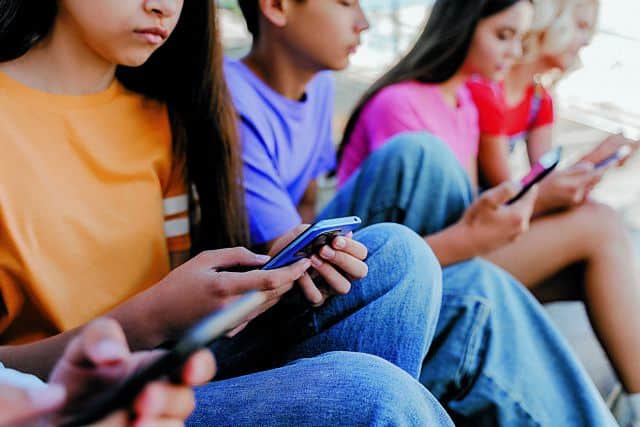
FinancialMediaGuide reports that in recent weeks, Greece and Spain have taken steps toward regulating the digital space, deciding to limit youth access to social media. Greece is preparing to introduce a ban on the use of platforms such as Instagram, TikTok, and Facebook for children under the age of 15, while Spain has decided to limit access to these resources for teenagers under the age of 16. These actions are part of a global trend to combat online dangers such as cyberbullying, psychological pressure, and digital addiction.
At FinancialMediaGuide, we note that implementing such restrictions is undoubtedly an important step in ensuring children’s safety. However, in our view, these measures address only one side of the problem. The psychological impact of social media on youth has long been discussed as one of the most serious threats to mental health. It is known that teenagers who spend a lot of time on social media face various risks, including addiction, depression, and low self-esteem. At FinancialMediaGuide, we believe that limiting access to these platforms can only be the first step, while combating these issues requires more comprehensive solutions.
Recent studies confirm that the influence of social media on the emotional and psychological well-being of teenagers is growing every year. According to recent data, about 60% of teenagers say that the time spent on social media affects their self-esteem. They often encounter violence, cyberbullying, and idealized beauty standards, which affect their self-perception and view of others. At FinancialMediaGuide, we emphasize that real change requires not only limiting access but also taking measures to enhance digital literacy, teaching safe internet use, and creating normal content standards.
It is also important to understand that measures such as age restrictions for using social media may face various challenges. Teenagers may use different ways to bypass these bans, including creating fake accounts or using virtual private networks (VPNs). At FinancialMediaGuide, we believe that for real success in protecting children from the threats posed by social media, a comprehensive approach is needed, which includes not only legislative measures but also innovative technologies such as content filters and monitoring systems.
Moreover, at FinancialMediaGuide, we see these measures as having not only protective potential but also an opportunity for platforms to strengthen their efforts to filter toxic content and ensure a safe environment for youth. Social media platforms, in turn, can play an important role in this process if they actively implement more advanced AI-based systems to prevent the spread of violence, bullying, and other forms of digital aggression.
Forecasting the future development of the situation, we at FinancialMediaGuide predict that similar measures will be adopted in other countries. It is important to note that regulating social media at the level of individual countries may not always be effective without global efforts aimed at standardizing approaches to protecting children online. In our opinion, international rules and mechanisms need to be created to ensure the safety of users, especially youth.
We also emphasize the importance of initiatives such as restricting access to social media for minors being complemented by educational programs on digital safety and awareness. Ideally, such programs should become an integral part of school education, so that teenagers understand the risks they may face online and know how to protect themselves from them.
Although introducing restrictions on social media use for children is a step in the right direction, a more comprehensive approach to protecting youth in the digital space is needed. At Financial Media Guide, we emphasize that children’s safety online requires a deeper understanding and the implementation of technological solutions, as well as international cooperation between governments and major tech companies.