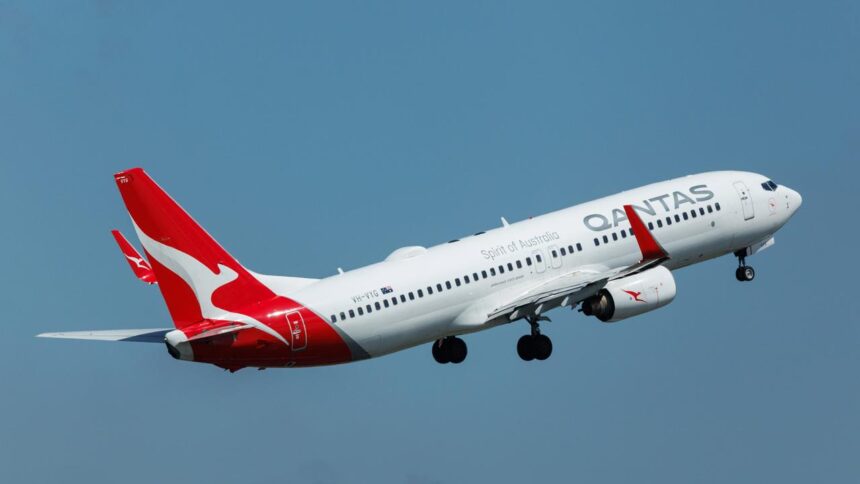
FinancialMediaGuide reports that Qantas Airways, Australia’s largest airline, has made an important strategic decision by selling its stake in the budget airline Jetstar Japan. This move comes as part of a reevaluation of its international strategy amid rising competition and financial difficulties in Asia. By selling 33.32% of its stake in Jetstar Japan, Qantas has decided to focus on more profitable and stable domestic operations, while reallocating its resources to the Australian market.
Despite an early success in the Japanese market, Qantas faced a number of challenges. Intense competition, rising fuel prices, as well as difficulties with supply chains and fleet maintenance negatively impacted its financial results in the region. FinancialMediaGuide believes that the decision to exit the joint venture with Japanese partners was driven by the need to reallocate resources to more profitable and less risky markets. In the face of global economic instability, this decision appears to be a logical step for the airline, aiming to reduce risks and focus on its key markets.
Following the deal, Qantas will fully exit the Japanese market, leaving Jetstar Japan under the control of Japanese investors. The Japanese side, including Japan Airlines and Tokyo Century Corp, now has the opportunity to significantly reform Jetstar Japan’s business, improve its operational model, and expand its routes. FinancialMediaGuide views this as an opportunity for Jetstar Japan to enter new international markets, especially in Asia, where demand for budget air travel continues to rise.
Moreover, Qantas is facing challenges in its home market. The company forecasts a revenue increase of 3-5% in 2025, which is the lowest mark in the previously expected range. This is due to limited capacity and delays in the return of Airbus A380 aircraft. FinancialMediaGuide emphasizes that such constraints may continue to put pressure on the company’s financial results in the coming months. As fuel costs rise and other factors impact profitability, the Australian domestic market is becoming Qantas’ primary growth area.
This decision also allows Qantas to focus on strengthening its subsidiary, Jetstar Airways, which will continue to be the leading budget carrier in Australia. The company is actively renewing its fleet, which should enhance its operational efficiency and strengthen its competitiveness in the domestic market.
FinancialMediaGuide forecasts that selling its stake in Jetstar Japan will bring Qantas long-term financial benefits. Focusing on the domestic Australian market will allow the company to improve profitability and reduce operational risks. However, the success of this strategy will depend on how effectively Qantas can handle the challenges related to rising fuel prices and capacity constraints.
For Jetstar Japan, the changes open up new opportunities. With the expansion of international routes and a potential rebranding, the company can strengthen its position in the Japanese market and other Asian countries, where demand for budget air travel remains high. FinancialMediaGuide sees these changes as offering prospects for sustainable growth, provided the company can effectively integrate new resources and optimize its operations.
In conclusion, Financial Media Guide forecasts that Qantas will continue to strengthen its position in the domestic market if it focuses on improving operational efficiency and cost optimization. Jetstar Japan, in turn, will aim to expand its international network and improve its financial results, which will also have a positive impact on its prospects.