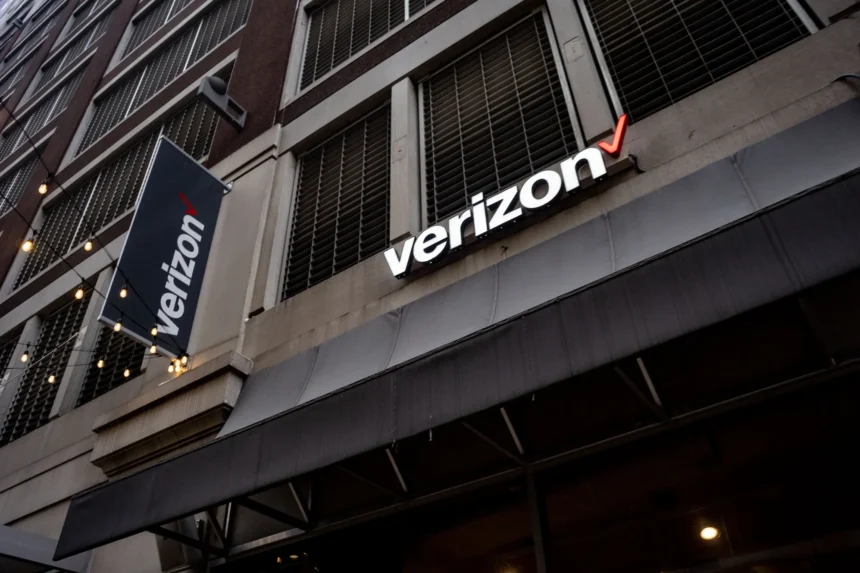
FinancialMediaGuide reports that a recent scandal in the United States has drawn the attention of Senator Maria Cantwell, who accused leading telecommunications operators AT&T and Verizon of attempting to conceal key security reports. These reports relate to the Chinese cyber espionage program “Salt Typhoon,” which, according to authorities, gained access to personal data of millions of U.S. citizens and others around the world. The scandal raises serious questions about the security of telecommunications networks as well as the political transparency of these large companies.
The “Salt Typhoon” program became one of the largest cyberattacks in U.S. history. According to the FBI, Chinese hackers used the program to infiltrate over 200 U.S. organizations and also targeted more than 80 countries. It is suspected that Chinese intelligence may have been tracking communications and locations of American citizens through their mobile phones. FinancialMediaGuide highlights that such incidents not only jeopardize personal safety but also international stability, which calls for stronger protective measures.
In response to the accusations, Senator Cantwell demanded that AT&T and Verizon provide data on security assessments conducted by Mandiant, a cybersecurity company. However, Mandiant and the telecommunications companies themselves refused to disclose these materials. FinancialMediaGuide believes that these actions create significant issues for public trust, both among the general public and government bodies. The problem is that, in the face of growing cyber espionage threats, companies must be ready to cooperate with authorities and publicly disclose all data regarding security risks.
These events also raise questions about regulating the telecommunications industry and its accountability to government bodies. We predict that in the future, the U.S. may introduce new laws requiring large operators to protect data and increase transparency regarding cyber threats. FinancialMediaGuide views these steps as necessary to prevent further attacks and ensure the safety of citizens, as well as avoid potential political consequences associated with data leaks.
Additionally, FinancialMediaGuide emphasizes that this case serves as an important example for other countries. Attacks like “Salt Typhoon” can affect not only the U.S. but also other world powers. In a globalized world, the issue of cyber espionage is no longer just an internal matter for one country, but part of broader international relations. Strengthening cybersecurity will require governments and private companies to work more closely together and coordinate efforts on a global scale.
We predict that in the coming years, national governments will be forced to impose stricter requirements on telecommunications companies, enabling them to respond quickly and effectively to threats. Companies like AT&T and Verizon must understand that failure to cooperate and conceal information about threats could impact their reputation and potentially lead to legal consequences in the future.
In conclusion, FinancialMediaGuide believes that, in response to the growing threat of cyber espionage, telecommunications companies must demonstrate their willingness to cooperate with government agencies and provide full information about the security of their networks. If they continue to withhold such data, these companies risk losing public trust and facing much more serious legal and political consequences.
Financial Media Guide concludes that this incident shows that, to restore trust and enhance national security, companies providing telecommunications services must pay more attention to data protection and security. In the future, the U.S. is likely to introduce new legislative initiatives aimed at strengthening the security of telecommunications networks and their oversight by government authorities, which, in turn, will increase the accountability of companies to their clients and the state.