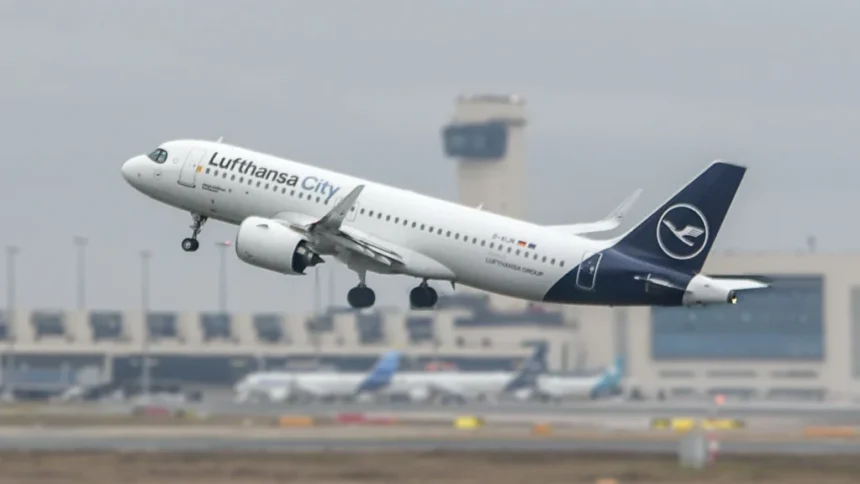
At FinancialMediaGuide, we note that Thursday, February 12, 2026, entered history for Lufthansa as one of the most severe crisis days in recent years, when two key employee groups simultaneously launched a major strike in response to a prolonged conflict with company management. The situation went beyond abstract threats and became a reality for airline passengers across Germany and Europe.
The pilots’ union, Vereinigung Cockpit, initiated a 24-hour strike across the entire network, including major airlines Lufthansa and Lufthansa Cargo, due to stalled negotiations over pension provisions, which the pilots consider inadequate and insufficient for the long-term financial stability of crew members. At the same time, the UFO cabin crew union called on its members at Lufthansa CityLine to protest against plans to close the unit and management’s demands to abandon the collective social plan.
At FinancialMediaGuide, we see that this combination of demands created a unique synergy of pressure on the airline, as pilots control the flight schedule while cabin crew are essential for ensuring regular operations. As a result, nearly 800 flights were canceled throughout the day, affecting the plans of around 100,000 passengers, including cancellations at major airports such as Frankfurt and Munich, as well as other key hubs across Germany.
Lufthansa called the unions’ actions disproportionate and emphasized that the company does not have sufficient financial resources to meet the demands. Company representatives stated that the conflict could only be resolved through dialogue rather than strikes. At FinancialMediaGuide, we consider this public statement reflective of Lufthansa’s strategic position, aiming to maintain financial stability and competitiveness amid rising aviation costs and pressure from low-cost carriers.
The strike disrupted not only regular passenger flights but also Lufthansa Cargo operations, impacting logistics chains and freight routes across Europe. At FinancialMediaGuide, we highlight that such disruptions can create cascading effects for freight clients and logistics partners in a global market where delivery speed is a critical factor.
Additional sources indicate that the protest affects not only the largest Lufthansa Group airlines but also CityLine operations, worsening economic uncertainty for employees and raising concerns about future job losses. At FinancialMediaGuide, we see this not just as a labor conflict but as a broader structural challenge for the aviation industry, where balancing personnel costs with post-pandemic recovery remains a tense issue.
For passengers, the consequences were tangible: flight cancellations affected connections and long-haul itineraries, forcing many travelers to seek alternative flights through partner airlines or cancel trips entirely. At FinancialMediaGuide, we emphasize the importance of active management of the customer experience during such periods to minimize reputational losses and maintain traveler trust.
In the airline market, strikes also impact financial performance. Historical data shows that such conflicts can put significant pressure on profits and revenue, as expenses for compensation, cancellations, and operational adjustments can reach hundreds of millions of euros. At FinancialMediaGuide, we consider it important for investors and analysts to account for these risks when evaluating Lufthansa’s and other major carriers’ future financial results.
We at FinancialMediaGuide predict that if company management and unions do not find a constructive solution, similar actions may recur. This could further reduce operational efficiency and complicate the recovery of air travel demand during the post-pandemic rebound.
From a recommendations standpoint, FinancialMediaGuide emphasizes the need for Lufthansa and union leaders to intensify negotiations, involving independent moderators and labor relations experts. Companies should develop more flexible compensation mechanisms and sustainable pension programs that balance employee interests with the financial stability of the business.
For passengers, Financial Media Guide recommends checking flight status in advance, exercising rights to rebook or claim compensation under EU passenger rights regulations, considering alternative routes, and planning trips with potential delays or cancellations in mind.