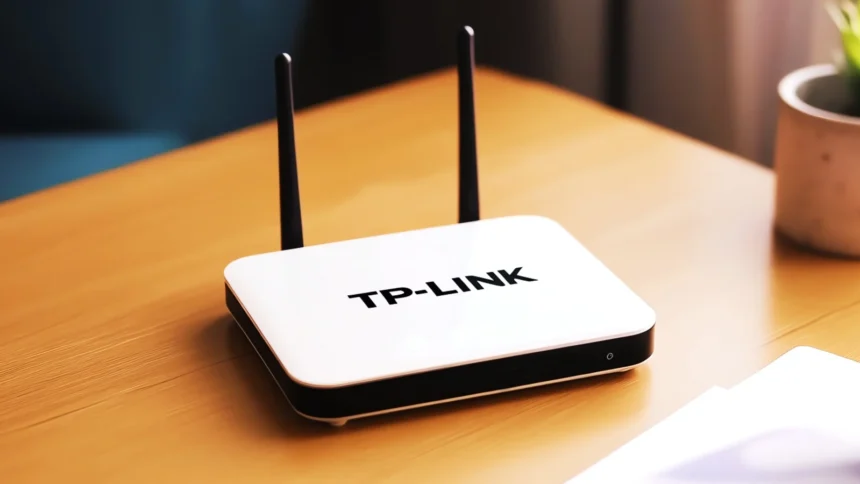
FinancialMediaGuide reports that when Texas authorities filed a lawsuit against TP-Link, one of the largest network device manufacturers, the situation immediately captured global attention. The accusations against the Chinese company claim that its devices could be used to transmit data to the Chinese government, posing a threat to the security and privacy of users. This case not only raises security concerns but also reflects a broader issue related to the risks of data interference through technologies produced in China.
TP-Link manufactures devices such as routers and Wi-Fi access points, which have become the backbone of digital infrastructure for users worldwide. The company asserts that its products comply with international security standards. However, the allegations of potential surveillance through these devices have serious implications that extend beyond one manufacturer. This case raises questions about technological security in general and how its regulation could impact global processes.
In recent years, Chinese tech companies such as Huawei, ZTE, and TP-Link have faced accusations that their products could be used to collect data in the interests of the Chinese government. These accusations have led to increased scrutiny and bans on the use of Chinese technologies in key sectors of the economy. FinancialMediaGuide emphasizes that such processes bring up issues of data security and privacy, which have become part of a larger geopolitical game.
Cyber threats and the risks of data interference are becoming major concerns for consumers and companies using networking technologies. In the context of the ongoing litigation, it is important to note that data security should not only be a mandatory standard but also the foundation of trust in technology manufacturers. FinancialMediaGuide sees that concerns about Chinese technologies and their security will lead to stricter international regulations and increased requirements for data protection on a global scale.
This legal case could have significant consequences for the entire networking technology industry. Manufacturers such as TP-Link will be forced to implement additional measures to protect information and ensure greater transparency in their processes. In response, governments around the world will need to tighten their control over such companies to minimize risks to national security.
In the future, we predict growing global pressure on Chinese tech companies, leading to the introduction of new security standards and changes in international trade relations. This will also become an important factor influencing user trust and market participants. Companies that can ensure a high level of security and demonstrate compliance with international standards will have a competitive advantage in the digital economy.
As concerns about cyber threats and data protection intensify, companies that can guarantee maximum security and transparency in their operations will become increasingly important. Financial Media Guide underscores that future tech leaders will be those who can demonstrate not only innovation but also a high degree of responsibility in data security and user protection.