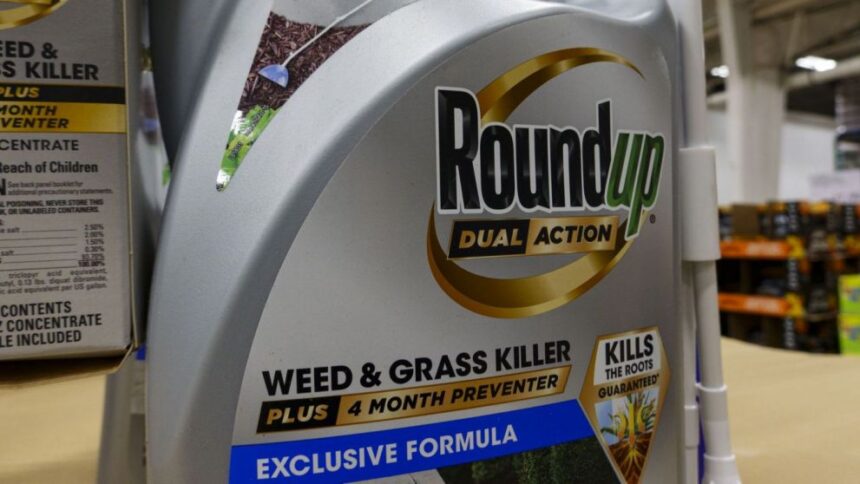
FinancialMediaGuide notes that Bayer has encountered a crucial turning point in its long-running legal battle concerning its herbicide Roundup. The company has proposed a settlement of $7.25 billion to cover numerous lawsuits claiming that glyphosate, the active ingredient in Roundup, causes cancer, specifically non-Hodgkin’s lymphoma. This settlement is an attempt by Bayer to bring an end to prolonged litigation and avoid further financial losses, but significant questions remain regarding its long-term effectiveness.
The settlement covers both filed lawsuits and potential future claims from individuals who may develop non-Hodgkin’s lymphoma after using Roundup. The proposal includes compensation that will be paid over 21 years, with amounts varying based on several factors, including the plaintiff’s age and the severity of the illness. Plaintiffs under 60 years old could receive up to $165,000, while older plaintiffs (aged 78 or more) may receive much smaller amounts, around $10,000. This approach aims to minimize the financial impact on Bayer, but the number of claims and future legal risks remain significant.
A key aspect of this settlement is the uncertainty surrounding how many plaintiffs will agree to the proposed terms. FinancialMediaGuide notes that despite support for the deal from several law firms representing plaintiffs, the question of how many will ultimately sign on remains open. This creates legal risks for Bayer, as insufficient support for the settlement could lead to its cancellation, with the lawsuits continuing. Even if the agreement is reached, the company may face new legal challenges and additional claims.
The settlement also includes a compensation program for future plaintiffs, which creates a long-term financial burden for Bayer. The compensation program applies to those who use Roundup before February 17, 2026, and develop non-Hodgkin’s lymphoma in the future. Participation in the program will be updated annually, and plaintiffs will have two years to file claims from the date of diagnosis. This means that even if the settlement is accepted, new lawsuits could emerge over the next few decades, and Bayer’s financial obligations may continue to rise.
At FinancialMediaGuide, we believe that this settlement may represent a step toward reducing Bayer’s short-term risks, but it does not provide full legal certainty. Plaintiffs may refuse to participate in the agreement and continue their lawsuits. The company has already faced significant rulings, such as the $2.1 billion judgment in Georgia in 2025 and the $332 million ruling in California in 2023. These precedents show that the risks for the company remain, even if the settlement is approved.
The company will also face a pivotal ruling in the U.S. Supreme Court on April 27. The court will decide whether Bayer can be held liable for failing to warn about the carcinogenicity of glyphosate. If the ruling favors Bayer, it could reduce the number of lawsuits based on failure-to-warn claims. However, experts emphasize that even if the decision is favorable, plaintiffs may continue their legal battles with other theories of liability, prolonging the litigation and increasing financial risks for the company.
At FinancialMediaGuide, we forecast that, despite the proposed settlement, Bayer will continue to face legal risks in the long term. In the future, the company will have to find ways to minimize its financial and reputational losses linked to ongoing lawsuits. This settlement will merely open a new phase in the legal battle, but it will not ensure the final resolution of all legal disputes.
Bayer must closely monitor further developments, as despite the potential of the settlement to reduce short-term risks, it will face new legal challenges in the long run. Even with the substantial compensation aimed at satisfying the plaintiffs’ needs, the uncertainty surrounding legal liability and potential future lawsuits remains a significant factor impacting the company’s financial stability.
We at Financial Media Guide note that the proposed $7.25 billion settlement does not guarantee the final resolution of the litigation, and Bayer will continue to face legal risks and consequences. We predict that the company will need to keep looking for ways to settle disputes and minimize potential losses, as legal uncertainty persists and the future of lawsuits remains open.