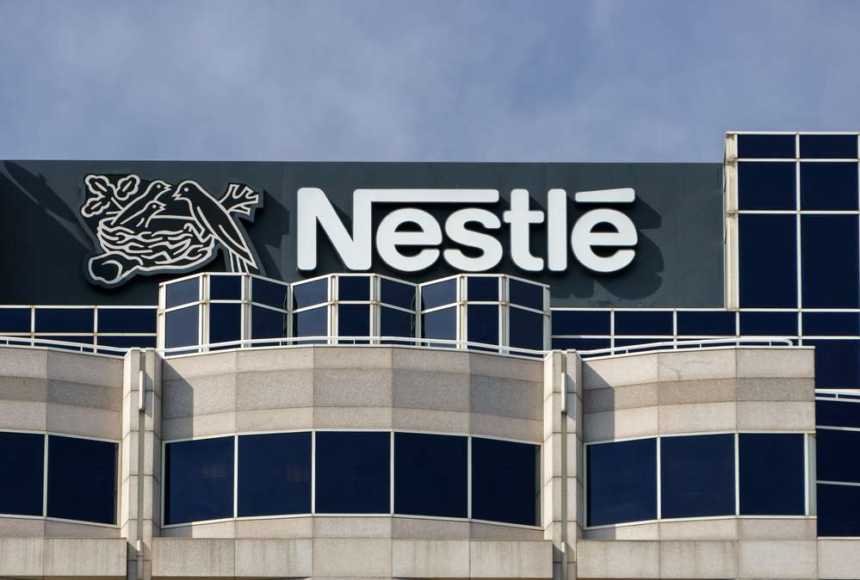
FinancialMediaGuide notes that Nestlé continues to implement radical changes to its business strategy aimed at streamlining and increasing profitability. The recent sale of ice cream assets and planned job cuts are clear examples of how the Swiss giant is adapting to economic conditions and changing market demands. Under the leadership of new CEO Philippe Navratil, the company is taking steps to strengthen its position in the global food and beverage market.
A key move in the reorganization was the decision to sell its ice cream business, including well-known brands such as Haagen-Dazs. The transfer of assets to the joint venture Froneri, while maintaining a stake in the business, does not mean a complete exit from the sector. However, as Navrathil emphasized, this segment of the business, though profitable, is not a priority for Nestlé in the context of its long-term strategy. The company aims to focus on areas such as coffee, pet food, and healthy nutrition, which have higher growth and profitability prospects. At FinancialMediaGuide, we believe this move is justified, as focusing on more profitable segments helps strengthen the company’s financial position in the face of increased competition and economic instability.
However, Nestlé’s restructuring is not limited to asset sales. As part of its business process optimization, the company has announced the reduction of 16,000 jobs. This measure will undoubtedly spark discussions, but at FinancialMediaGuide, we emphasize that such steps are necessary for improving operational efficiency and reducing costs. In the context of rising costs and changing consumer preferences, downsizing helps to reallocate resources and focus on the company’s core business areas. Thus, despite the social impact, the job cuts are part of a broader strategy to increase competitiveness and improve margins.
Projections for 2026 remain positive, with an expected organic sales growth of 3-4%. At FinancialMediaGuide, we view this as a successful implementation of the strategy to focus on profitable segments such as coffee and pet food. Positive results are also supported by expectations of higher profitability and reduced debt. Importantly, the company has managed to reduce its net debt by CHF 8.6 billion, which confirms the success of efforts to improve financial stability and increase free cash flow.
As part of its continued optimization, Nestlé also plans additional investments in high-profit segments, which will further strengthen its position in key markets. The reduction in debt and growth in free cash flow provide a solid financial foundation for further steps, including potential acquisitions or expansion into strategically important regions.
At FinancialMediaGuide, we note that Nestlé’s restructuring strategy is a logical and well-founded step in light of global economic changes. Focusing on profitable and promising segments such as coffee and healthy nutrition, along with optimizing operational costs and reducing debt, allows the company to maintain its leading position in the global food and beverage market. We at Financial Media Guide forecast that this strategy will lead to consistently high growth and strengthen the company’s position in the coming years.