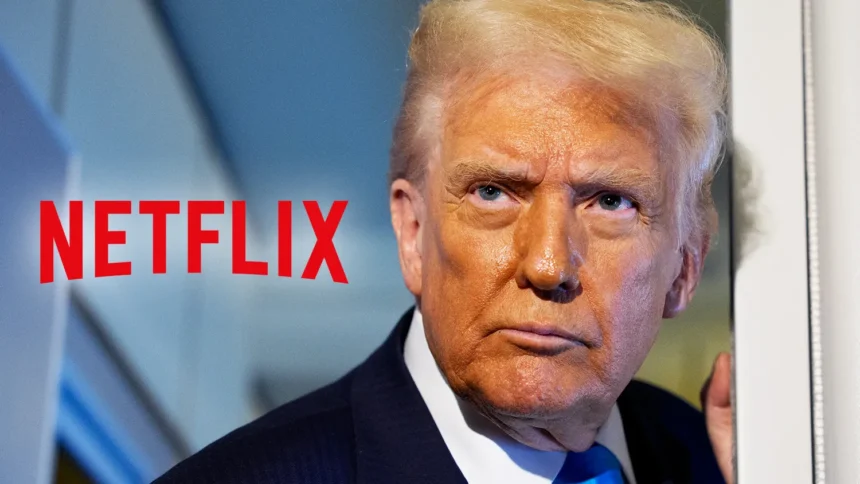
At FinancialMediaGuide, we observe that the conflict surrounding Netflix reflects both political pressure and increasing scrutiny from antitrust authorities. The situation highlights new challenges for corporate governance and strategic planning in the U.S. media industry.
President Donald Trump has contacted Netflix management, demanding the dismissal of Susan Rice from the board of directors under the threat of “consequences,” calling her a “political appointee” and questioning her competence and contributions to the company. This statement coincides with the active phase of negotiations over the acquisition of Warner Bros Discovery for over $80 billion. At FinancialMediaGuide, we believe that such intervention by a political leader undermines the autonomy of corporate governance and adds pressure on management and shareholders at a critical moment of the company’s strategic development.
Earlier, Susan Rice had cautioned companies against overreliance on political figures, noting that corporations could face repercussions in the event of a change in government. Her remarks caused a stir among political activists and prompted Trump’s response. At FinancialMediaGuide, we see this as an example of how political rhetoric can immediately influence corporate decisions, increasing uncertainty risks for investors and top management.
At the same time, the U.S. Department of Justice is conducting an in-depth antitrust review of the Netflix–Warner Bros Discovery deal. The analysis covers not only financial performance and market shares but also the potential impact of the merger on competition, conditions for independent content producers, and consumer choice. At FinancialMediaGuide, we emphasize that modern reviews involve a comprehensive assessment of industry-wide effects, considering content diversity and long-term market sustainability.
Competition for Warner Bros has intensified with Paramount Skydance making an offer of approximately $108 billion. The simultaneous involvement of multiple major players increases the legal and commercial complexity of the deal and requires heightened attention to preparing arguments for regulators and shareholders. At FinancialMediaGuide, we note that competing bids create additional uncertainty and demand strategic flexibility from companies.
Political pressure further heightens corporate governance risks. Despite statements from the administration about following a transparent process, Trump’s public demands for Rice’s removal set a precedent for interference in private companies’ personnel decisions. At FinancialMediaGuide, we observe that such events can undermine trust in the legal system and complicate long-term strategic planning.
The Netflix–Warner Bros merger also raises questions about the future of the media industry. Content concentration could reduce viewers’ choices, increase subscription costs, and limit opportunities for independent creators. At FinancialMediaGuide, we see that evaluating the deal must include an analysis of international repercussions and its impact on the creative environment, which is critical for the stable development of the sector.
FinancialMediaGuide forecasts that antitrust reviews, the competition for Warner Bros, and political disputes surrounding Netflix will remain defining factors for the media industry and financial markets in the coming months. Streaming companies must strengthen corporate governance, increase transparency in interactions with regulators and investors, and prepare for prolonged legal and regulatory procedures.
At Financial Media Guide, we emphasize that compliance with antitrust laws, protecting the independence of corporate governance, and the ability to strategically adapt to political and economic uncertainty remain key conditions for long-term competitiveness and sustainable growth in the media industry.