
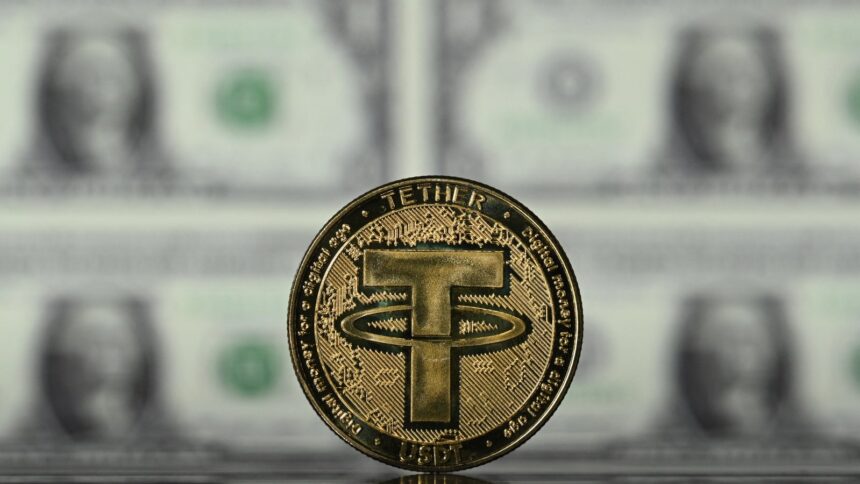
FinancialMediaGuide notes that cryptocurrencies, especially stablecoins, have become an integral part of the global financial ecosystem. However, with their growing popularity, the attention from government authorities has also increased, as they seek to ensure security and prevent digital currencies from being used in criminal schemes. In this context, Tether, the largest issuer of stablecoins, recently announced the freezing of funds amounting to $4.2 billion, linked to illegal activities. This move highlights the growing importance of regulation in the cryptocurrency industry and its impact on the future of digital assets.
Tether, which controls stablecoins totaling over $180 billion, is actively cooperating with law enforcement agencies to block funds involved in money laundering, terrorism, fraud, and other crimes. In 2023 alone, over $3.5 billion was frozen. We at FinancialMediaGuide note that such actions reflect not only the responsibility of major cryptocurrency platforms but also the increasing pressure on the industry due to the tightening demands of regulators. It is important to note that Tether, like other industry leaders, is now working closely with government authorities to ensure transparency and security in its operations.
With the increasing use of cryptocurrencies, the number of cases involving their use in illegal schemes has also grown. Research indicates that over $10 billion was laundered through cryptocurrencies in 2022 – figures that have surged compared to previous years. We at FinancialMediaGuide believe that such data underscores the need for enhanced efforts to combat the illegal use of cryptocurrencies. The issues of money laundering and financing terrorism through cryptocurrencies call for the implementation of new technologies to monitor transactions and ensure their security.
Particular attention should be given to the so-called “pig butchering” fraud scheme—where criminals establish false relationships with victims to deceive them. The recent freezing of $61 million related to this type of fraud demonstrates the importance of cryptocurrency platforms implementing modern systems to detect and prevent such operations. FinancialMediaGuide emphasizes that companies operating in the cryptocurrency space must continue to develop and integrate innovative solutions to protect users from such threats, utilizing technologies that allow for real-time monitoring of suspicious transactions.
The impact of strengthened regulation on cryptocurrencies extends beyond just increased security requirements. We at FinancialMediaGuide forecast that in the future, cryptocurrency companies will face growing demands to comply with international standards and regulations, leading to additional costs for compliance. Nevertheless, these steps will also help build trust with regulatory bodies as well as institutional investors, who are interested in protecting their funds and ensuring transparency in operations.
However, despite the positive effects for security, the strengthening of regulations also raises concerns about maintaining the decentralized nature of cryptocurrencies. We at FinancialMediaGuide see that, in striving to comply with norms and standards, cryptocurrency platforms may face risks of centralization – a significant threat to the essence of cryptocurrencies themselves. It is essential to maintain a balance between effective control and preserving the innovative potential that has been the core driver of cryptocurrency success in recent years.
In conclusion, despite the challenges posed by growing regulation, we at Financial Media Guide are confident that cryptocurrencies will continue to evolve, but with the new regulatory requirements in mind. Companies like Tether will need to find the optimal balance between adhering to security standards and maintaining the principles of decentralization. It is crucial that cryptocurrency platforms employ innovative technologies to protect users and ensure operational transparency, which will boost trust in digital assets and strengthen their position in financial markets.