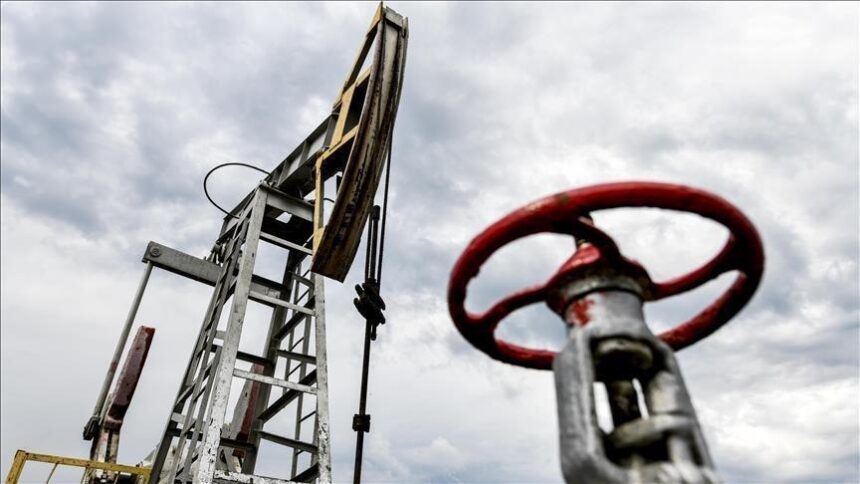
FinancialMediaGuide reports that oil prices continue to surge, reaching levels not seen since mid-2024. Brent crude oil recently spiked to $85 per barrel, the highest price since July 2024. This price increase has been driven by escalating geopolitical instability in the Middle East, where the conflict between Israel and Iran has raised concerns about potential disruptions to oil and gas supplies, as well as the possibility of the strategic Strait of Hormuz being closed. This waterway is crucial for oil transport, with one-fifth of the world’s oil supply passing through it.
A key factor in the price rise is the increase in West Texas Intermediate (WTI) oil prices, which have jumped 7%, reaching $76.26 per barrel. This is also a record level since June 2024. Investors and traders continue to monitor the situation in the Middle East, where instability is creating volatility in oil markets, directly impacting the global economy.
FinancialMediaGuide analysts note that “the potential closure of the Strait of Hormuz is one of the key factors driving volatility in the global oil market. Such a move could significantly affect oil supplies and lead to shortages, which in turn would drive oil prices to new highs.” Already, we are seeing rising oil prices that are affecting transport routes and increasing shipping rates for oil.
However, an important aspect to consider is the rising cost of transportation. The market situation is further complicated by insurance companies refusing to cover risks for vessels passing through the Strait of Hormuz, which has led to higher oil transportation costs. This adds additional pressure on the already volatile market, increasing costs for oil producers and transport companies, and further exacerbating economic issues for importing countries.
At FinancialMediaGuide, we believe that “if tensions in the Middle East continue to escalate, we can expect oil prices to surpass $90 per barrel in the coming months. This could lead to long-term increases in fuel and energy costs.” Already, high oil prices are beginning to have an impact on the global economy, putting pressure on consumer countries and raising the cost of goods and services that depend on energy resources.
The global economic consequences of rising oil prices cannot be underestimated. Countries that are heavily reliant on oil imports, such as those in Europe and Asia, are beginning to face higher fuel costs, leading to inflation. Meanwhile, developing economies, where a large portion of expenses depend on energy, may experience slower growth and difficulties in financing both public and private projects.
We at FinancialMediaGuide predict that if the Strait of Hormuz is closed, oil shipments could be significantly reduced, leading to shortages and a sharp increase in oil prices. This would place additional pressure on global energy markets, heighten volatility, and potentially shift the balance of power in the world economy, pushing countries to seek alternative energy sources and transport routes.
Furthermore, instability in the oil market will continue to affect global financial and commodity markets. Rising oil prices will not only lead to higher fuel costs but will also increase the prices of other goods and services, as energy costs are an integral part of production chains in various industries.
In conclusion, the current situation in the oil markets serves as a warning signal for the global economy. Growing instability in the Persian Gulf could lead to further increases in oil prices, putting pressure on importing economies and raising the cost of living in developing countries. We at Financial Media Guide emphasize that to minimize the economic impact, it is crucial to be prepared for long-term volatility and instability in energy markets.