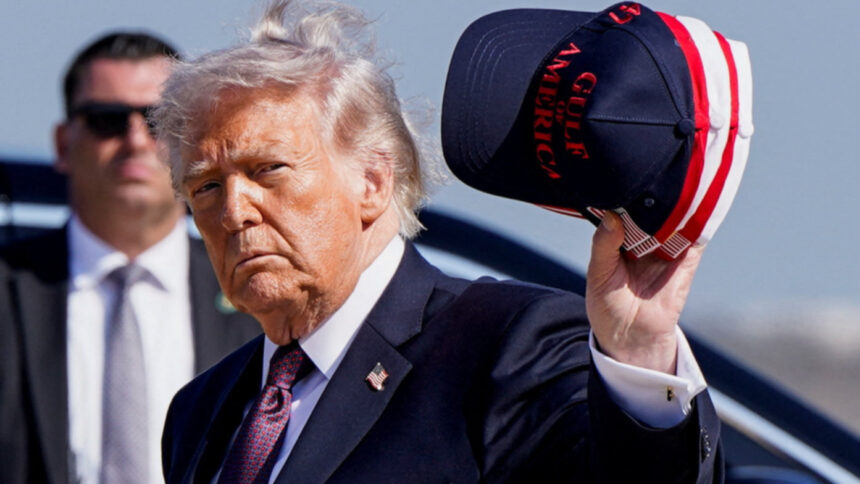
The ban imposed by the Donald Trump administration on the use of artificial intelligence technologies from Anthropic in the U.S. defense sector has become a pivotal moment in the development of high-tech regulation policies and their role in national security. Companies such as Lockheed Martin have had to urgently rethink their strategies in response to the government’s decision, highlighting how government intervention can impact the tech industry. At FinancialMediaGuide, we believe that this ban is not just an event but a key signal to defense contractors working with government contracts about the need to strictly comply with government requirements, even when they are driven by political decisions.
The primary reason for the ban was the Pentagon’s desire to maintain control over the use of advanced AI technologies, such as Anthropic’s Claude system, which could potentially pose a threat to the country’s security. Defense Secretary Pete Hegset stated that from now on, all contractors working with U.S. defense agencies must cease using Anthropic technologies. At FinancialMediaGuide, we emphasize that, despite the legal uncertainty surrounding the ban, the majority of defense contractors, such as Lockheed Martin, have already announced their intention to comply with the government’s requirements. This demonstrates how closely intertwined national security and commercial interests are, as well as how critical access to government contracts is for such companies.
The legal ambiguity of the ban has not prevented companies working with government agencies from drawing conclusions and adapting their business models to the new political context. At FinancialMediaGuide, we believe that this step highlights the need to comply with government directives and underscores the growing role of the government in regulating technologies that have a direct impact on national security. In an environment where defense contractors depend on multi-billion-dollar contracts, they cannot afford to risk losing them.
The ban on using Anthropic’s products raises important questions about the future of AI technologies in the defense sector. At FinancialMediaGuide, we forecast that this is not a one-time occurrence, but the beginning of more significant changes in the regulation of technologies that may be used in strategically important industries. As the government tightens its control over technological solutions, private companies working with the defense sector will need to prepare for even greater intervention in their business processes. This will require compliance with stricter security standards, creating new challenges for IT companies wishing to collaborate with government entities.
The ban on using Anthropic’s technologies also opens up new opportunities for competitors in the artificial intelligence market. At FinancialMediaGuide, we see that such decisions may lead to companies not facing these restrictions gaining a competitive advantage. China and other countries that do not follow such stringent rules may find themselves in a more favorable position, creating additional challenges for the U.S. in the field of technological security.
This case also raises important questions about the future regulation of artificial intelligence as a whole. At FinancialMediaGuide, we emphasize that in the future, companies developing IT solutions for the defense sector will be forced to consider national security requirements when creating new technologies. This may lead to a more isolated technology market, where solutions that meet security standards and national interests will be prioritized.
In conclusion, the ban on using Anthropic’s products has been an important signal to both the defense and technology sectors. At Financial Media Guide, we predict that such restrictions will become more frequent in the future, requiring companies to be flexible and able to adapt to political and legal changes. We believe that the future development of AI technologies in the defense sector will be closely linked to increased control over their use. It is crucial that companies working under such conditions learn to integrate security and national interest requirements into their business processes, helping them remain competitive on the global stage.