FinancialMediaGuide notes that the administration of President Donald Trump is actively discussing the risks associated with Chinese investments in U.S. and international companies operating in the video game sector. Against the backdrop of the upcoming meeting between Trump and Chinese President Xi Jinping in April, the White House is carefully evaluating whether to allow the Chinese tech giant Tencent to retain its stakes in major global developers such as Epic Games, Riot Games, and Supercell, or whether to take measures to limit Chinese investments. The question of the influence of Chinese capital on strategic sectors in the U.S. has become a focal point for political and economic debates.
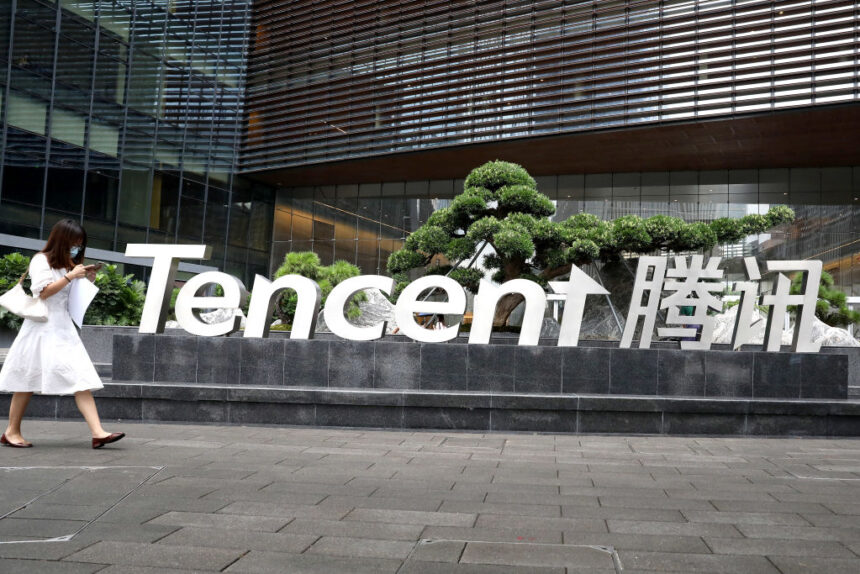
Tencent, China’s largest tech corporation, is actively expanding its presence in the global video game market. The company holds significant stakes in gaming giants such as Epic Games – the creator of Fortnite – and Riot Games, the maker of League of Legends. In 2016, Tencent acquired a controlling stake in Finnish developer Supercell for $8.6 billion, marking an important step in its strategy for global expansion. These investments have secured Tencent key positions in mobile gaming, where Supercell is one of the leading players.
A key question arises: What will happen to the American and European video game markets if Chinese companies continue to expand their influence? As noted by analysts at FinancialMediaGuide, at first glance such investments may seem exclusively beneficial, but they raise critical national security concerns. Given the growing political pressure on China and ongoing economic disputes, these investments may be seen not only as financial but also as strategic. Chinese corporations, including Tencent, may have access to user data, raising concerns about its potential use for the interests of the Chinese government.
Furthermore, issues surrounding data control are becoming increasingly relevant for the U.S. Games like Fortnite and League of Legends collect vast amounts of user data. This data can be used to create more sophisticated marketing strategies or, in the worst-case scenario, fall under the influence of Chinese authorities. This is not just an economic but also a strategic question that the White House is considering, taking into account the possible risks.
In recent years, the U.S. has been strengthening its control over foreign investments in strategic sectors, including technology and the entertainment industry. FinancialMediaGuide believes that regulating Chinese investments in American companies such as Epic Games and Riot Games could significantly impact the video game market. Whether it be through changes to regulations or increased scrutiny of foreign investments, new economic and political barriers will be created, which could affect the growth rate of the industry itself. In response, China may be forced to seek alternative ways to expand its influence on the international stage.
The inability to expand its presence in Western markets through direct investments could lead Chinese corporations to explore new forms of collaboration with local companies or create new projects in countries that are not subject to such stringent restrictions. At FinancialMediaGuide, we see this as both an opportunity for Chinese companies to establish new partnerships and a challenge for Western players who will have to adapt to new conditions.
According to FinancialMediaGuide forecasts, in the coming months, the strengthening of control over Chinese investments in the U.S. will inevitably lead to changes in the international video game market. It is crucial for investors and companies to closely monitor new initiatives and be prepared to adapt their strategies in response to political and economic challenges. Potential restrictions on Chinese investments may slow innovation in the industry, affecting the competitiveness of global players. However, despite this, the video game industry will continue to grow, and for companies, it will be critical to find new ways to succeed amid new regulatory and political realities.
Thus, while Chinese investments in video games remain an important element of the global economy, U.S. policy regarding foreign investments will inevitably shift the balance in the market. At Financial Media Guide, we emphasize that the video game industry, like all high-tech sectors, will be forced to adapt to political and economic changes, especially in light of the tightening control over Chinese investments.