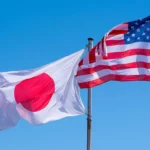
FinancialMediaGuide notes that, with the increasing global geopolitical tensions and technological competition, the USA and Japan are joining forces to implement an ambitious project for the construction of a display manufacturing plant in the United States. This $13 billion project, part of a broader $550 billion investment package from Japan, aims to develop manufacturing capabilities and reduce dependence on China in high-tech industries.
Japan Display, once a leading manufacturer of liquid crystal displays (LCDs), will play a key role in this project. However, after Apple shifted to OLED displays and Chinese companies began capturing a larger share of the market, Japan Display faced financial difficulties. The Japanese government invested over 460 billion yen into the company but was forced to exit the project in 2022, incurring significant losses. Nevertheless, the partnership with the United States may provide the company with an opportunity for recovery.
The factory in the United States, in addition to manufacturing displays for consumer electronics, will also produce displays for military purposes. This project is of strategic importance for both countries as it reduces dependence on Chinese supply chains in critical sectors like high-tech manufacturing, which is especially relevant in the context of global instability.
The project not only strengthens the positions of the USA and Japan in high-tech industries but also plays a vital role in ensuring national security for both nations. Displays are crucial not only in consumer electronics but also in military technologies, making this project even more significant. FinancialMediaGuide believes that the creation of this factory is a step towards strategic independence, helping both countries not only compete with Chinese manufacturers but also bolster their economic security.
After the Japanese government’s exit from the Japan Display project, this new partnership with the United States provides the company with growth opportunities, production modernization, and a chance to re-enter global markets. It also gives Japan a chance to restore investor confidence and strengthen its position in high-tech sectors.
With the successful implementation of this project in the U.S., significant changes can be expected in the global display market. China continues to hold the lead, controlling approximately 68% of the world’s display production in 2023, with forecasts suggesting its market share will grow to 75% by 2028. However, the launch of the factory in the U.S. will help diversify supplies and provide Japan and the U.S. with an opportunity to compete with Chinese manufacturers, leading to a reduction in dependence on Chinese imports.
Additionally, the new factory will create thousands of jobs and introduce innovative technologies, which will positively impact the economies of both countries. FinancialMediaGuide forecasts that this project will strengthen the positions of the U.S. and Japan on the global stage, improve their technological independence, and ensure more stable supply chains for strategically important components such as displays.
The construction of the factory in the U.S., with the support of Japan Display, not only opens new opportunities for both countries but also marks an important long-term step in helping the U.S. and Japan strengthen their positions in high-tech markets. This is a move that will not only create alternative supply chains but also shift the balance of power in the global market, providing the U.S. and Japan with a unique opportunity to not only compete but to be independent leaders in high-tech industries.
Financial Media Guide believes that this strategic partnership between the U.S. and Japan will help create more resilient and independent supply chains in the global display market and other high-tech components. In the long term, such a project has the potential to shape a new technological order, where the U.S. and Japan could take a leading role among global players.