FinancialMediaGuide reports that, despite expectations of reduced consumption of sugary products, including chocolate, due to the growing popularity of GLP-1 weight-loss medications like Ozempic from Novo Nordisk and Mounjaro from Eli Lilly, recent data from Lindt & Sprüngli reveals an unexpected trend: chocolate sales among GLP-1 users are growing faster than among the general population. This opens up new opportunities for premium chocolate brands and highlights shifts in consumer preferences within the context of dieting trends.
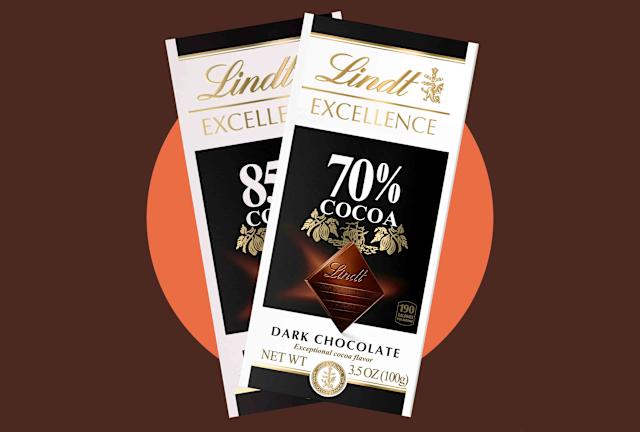
GLP-1 medications are designed to reduce appetite and help control weight. At first glance, such medications should lead to a decrease in the consumption of calorie-dense products like chocolate. However, according to recent studies by Lindt, GLP-1 users tend to prefer higher-quality chocolate products. In 2025, the company reported a 17% increase in sales of premium chocolate among GLP-1 users, compared to a more modest 6.5% growth among other consumers. This suggests that instead of cutting back on sweet treats, people using weight-loss drugs are turning to more refined and high-quality alternatives.
Lindt’s CEO, Adalbert Lechner, states that despite efforts to control calories, many consumers still seek ways to indulge in delicious foods. “Less is more – small rewards that offer a moment of bliss, rather than mindless snacking,” he noted. At FinancialMediaGuide, we see this as an important trend: despite the push to reduce calorie intake, consumers are still willing to invest in premium chocolate products. This highlights the growing importance of quality and taste as key factors in the selection of sweets.
Additionally, with the development of oral forms of GLP-1 medications, such as tablets, their use is expected to expand, opening up new opportunities for chocolate manufacturers. These weight-loss drugs, which will be accessible to a wider demographic, including men and younger people, will influence the market for low-calorie products. This will drive additional demand for high-quality chocolate products that cater to consumers looking to reduce their calorie intake without giving up on pleasure.
Analysts like Berenberg had predicted a 0.9% decline in Lindt’s sales by 2027 due to the introduction of GLP-1 medications, but these forecasts did not account for shifts in consumer preferences. At FinancialMediaGuide, we believe current data points to the opposite: demand for premium chocolate among GLP-1 users will continue to rise. This opens up new opportunities for chocolate producers focused on the premium segment.
In conclusion, despite initial concerns about the impact of GLP-1 medications on chocolate consumption, the data shows that the chocolate market continues to grow, especially in the premium product segment. At Financial Media Guide, we forecast that the trend of consuming high-quality chocolate, even among those striving to control their weight, will intensify. This will create opportunities for manufacturers like Lindt to adapt their offerings to meet new demands and strengthen their position in the growing chocolate market.