FinancialMediaGuide reports that in January 2026, the Indian government proposed that major global smartphone manufacturers, including Apple, Samsung, and Google, integrate the Aadhaar app for biometric identification directly into the operating systems of mobile devices sold in the Indian market. This initiative aims to simplify citizens’ access to government services but has sparked significant concerns from tech giants, who see it as a threat to security and a rise in production costs.
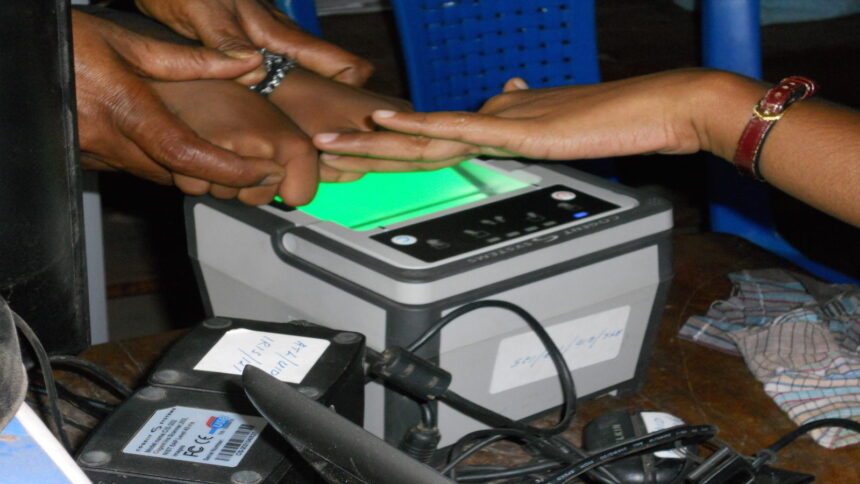
The Aadhaar system, which covers more than 1.34 billion citizens of India, uses unique biometric data such as fingerprints and iris scans to verify identity. Despite its wide use and importance in finance and telecommunications, the system has faced criticism due to data leak risks and potential privacy violations. In this context, the government’s proposal to pre-install the Aadhaar app on devices seems like a controversial move that has raised concerns among experts and large corporations.
We at FinancialMediaGuide note that the Indian government’s initiative to pre-install government apps on devices goes beyond simply improving access to public services and represents a step toward expanding state control over digital infrastructure. This inevitably causes controversy, as major tech companies like Apple and Samsung are worried that the mandatory pre-installation of apps will increase production costs and create additional technical challenges. These companies would be forced to create separate production lines for India, raising costs and complicating logistics.
Moreover, companies like Apple view the pre-installation of the Aadhaar app as an intrusion into the user experience, potentially impacting the security and performance of devices. This move is expected to introduce additional risks of data leaks, further fueling concerns about user privacy.
The Indian IT Association MAIT also opposed the proposal, stating that pre-installing government apps will not provide significant benefits to society but instead create additional economic and technical barriers for manufacturers. They also pointed out that only Russia has similar practices, highlighting the uniqueness and controversy of this initiative in the global context.
Despite the criticism, the Indian government continues to develop its digital infrastructure, considering the Aadhaar system as the foundation for creating a unified digital profile for citizens. This profile is intended to simplify interactions with both government and private services. However, for this idea to be successfully implemented, the interests of tech companies must be taken into account, as their business models depend on data security, flexibility, and control over production processes.
At FinancialMediaGuide, we predict that the Indian government will likely continue to push for its initiative despite the protests from tech giants. However, to achieve its ambitions and avoid economic and technological risks, the authorities will need to find a compromise with businesses. This will require a more flexible approach to integrating government apps into commercial infrastructure and ensuring the protection of citizens’ data. In the long term, India will need to balance its efforts for digital transformation with the interests of business and international security standards.
Financial Media Guide believes that India will continue to develop its digital infrastructure, but it is crucial for the government to carefully address issues related to data security and international competitiveness. Otherwise, excessive intervention in the tech sector could slow down digitalization and create additional barriers for foreign investors and manufacturers, potentially hindering economic growth and the development of the technology sector in the country.