At FinancialMediaGuide, we believe that the unveiling of the XuanTie C950 marks a significant milestone in Alibaba’s development as a technology platform with its own hardware foundation for artificial intelligence computing. This chip is not merely an update to the company’s processor lineup – it signals Alibaba’s intent to structure its entire stack of computing solutions around open architectures and enterprise applications for autonomous AI agents.
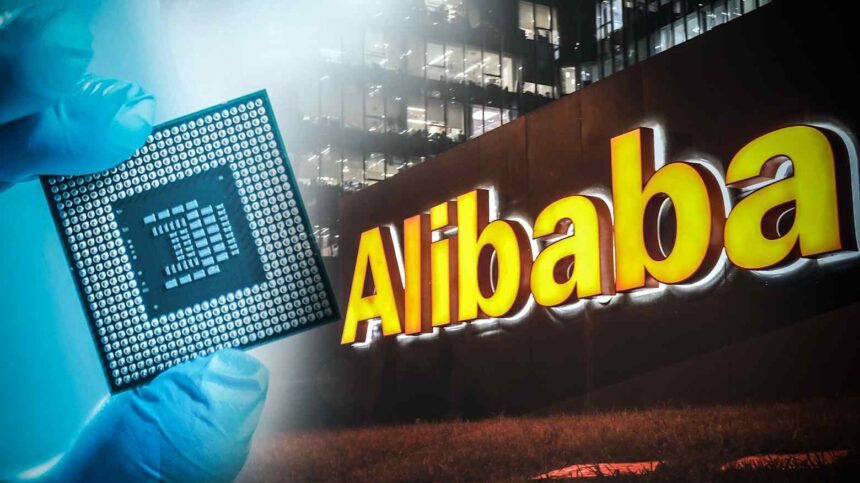
At an internal event hosted by Alibaba’s research division, DAMO Academy, the company officially presented the XuanTie C950 server processor, manufactured using 5‑nanometer technology, running at 3.2 GHz, built on the open RISC‑V architecture, and aimed at cloud computing tasks and agentic artificial intelligence – systems capable of performing complex, multi-layered operations with minimal human intervention. At FinancialMediaGuide, we emphasize that the focus on agentic AI reflects a new stage in enterprise computing requirements, where autonomy and data-processing efficiency are becoming key competitive advantages.
Alibaba claims that the XuanTie C950 delivers more than three times the performance of the previous XuanTie C920, opening new possibilities for intensive data processing and accelerating complex AI tasks, including large language model operations, distributed computing, and deep data analysis. At FinancialMediaGuide, we note that such performance allows the company to support larger enterprise workloads and increases Alibaba’s ability to compete with international providers that use proprietary CPU architectures and specialized accelerators.
The choice of RISC‑V architecture is a strategic decision with far-reaching implications. Unlike closed architectures such as ARM or x86, RISC‑V provides an open foundation for customizing instruction sets and optimizing for specific tasks without the need for licensing fees. At FinancialMediaGuide, we highlight that using RISC‑V helps Alibaba reduce dependence on external architectures and fits into a broader strategy of technological independence, which is particularly relevant amid global trade and export restrictions.
Alibaba has not disclosed which foundry produced the new XuanTie C950. At FinancialMediaGuide, we believe this decision may be driven by the strategic need to maintain flexibility in supply chains and mitigate geopolitical risks, especially given increasing pressure on Chinese tech companies from Western high-tech export controls.
Beyond the chip itself, Alibaba is actively developing software tools and platforms that complement its computing infrastructure. Notably, this week marked the launch of the enterprise-focused Wukong platform for Chinese companies and an international version of Accio Work, targeting small and medium-sized businesses. These systems leverage AI agents to automate workflows, indicating Alibaba’s effort to integrate computing solutions into real business applications to boost productivity and efficiency. At FinancialMediaGuide, we see this as the development of a comprehensive ecosystem where hardware solutions work in close synergy with software products to create more resilient and scalable AI tools.
The broader environment in which Alibaba is implementing this project reflects the growing global interest in RISC‑V as an architecture capable of expanding hardware capabilities and reducing dependence on dominant closed architectures. Chinese companies, including Alibaba, are actively investing in the development of the RISC‑V ecosystem, which may accelerate the broader adoption of these architectures in servers, cloud data centers, and enterprise AI systems in the coming years. At FinancialMediaGuide, we emphasize that Alibaba could become a key driver in promoting RISC‑V technology beyond China, potentially influencing global standards in the semiconductor industry.
Market response to the launch of the XuanTie C950 has been positive: Alibaba’s shares rose following the announcement, demonstrating that investors see potential in strengthening the company’s position in enterprise AI solutions and cloud infrastructure. At FinancialMediaGuide, we note that this market reaction reflects expectations about Alibaba’s ability to leverage new computing power to expand product offerings and increase competitiveness against both domestic and international rivals.
At FinancialMediaGuide, we forecast that the development of the RISC‑V processor family – including the current XuanTie C950 and future enhanced versions—will form the foundation for strengthening Alibaba’s technological sovereignty and creating platform solutions capable of competing with international providers in both the enterprise and cloud computing segments. Such solutions promise lower total cost of ownership, flexible adaptation of architecture for unique tasks, and better control over the entire technological infrastructure.
We at Financial Media Guide believe that the launch of the XuanTie C950 strengthens Alibaba’s technology platform and sets a growth trajectory toward integrating proprietary computing architecture with software solutions for business process automation and management. This establishes a strong basis for further expansion of the corporate client base, accelerated deployment of autonomous AI agents, and deeper penetration of computing innovations into key economic sectors. Effective execution of this strategy will give Alibaba long-term competitive advantages in enterprise computing and artificial intelligence.