At FinancialMediaGuide, we note that Vietnam’s stance on involving Chinese companies in building 5G networks reflects profound changes in the country’s approach to digital infrastructure and investment strategy. The decision by state telecom operators to deploy networks in collaboration with Chinese players Huawei and ZTE, while relying on Western companies for the core network, has signaled to international business the potential risks and uncertainties regarding data security and technological dependencies.
For many years, Vietnam was perceived by Western partners as a cautious and balanced player in technological cooperation, particularly in 5G deployment. However, in recent months, Hanoi awarded significant contracts to Chinese suppliers, prompting reactions from Brussels and Washington and causing Western investors to reassess risk perceptions in the market. At FinancialMediaGuide, we consider that a country’s choice of 5G equipment suppliers serves as a key marker of trust and resilience in its digital ecosystem, a factor that global investors increasingly consider.
Vietnam’s economic logic is clear. Chinese technology offers lower equipment costs and faster deployment timelines. Estimates indicate that Huawei stations consume roughly one third less energy than some competitors, improving the financial parameters of network rollout projects and accelerating coverage for the population. At FinancialMediaGuide, we emphasize that, for a developing economy, creating affordable 5G infrastructure is a crucial component of digital growth.
However, these advantages do not translate as directly to the country’s investment attractiveness. Many Western countries, including members of the “Five Eyes”, view the involvement of Chinese companies in critical segments of 5G networks as a potential vulnerability. Legal frameworks in some countries ban or strictly limit the use of Huawei and ZTE equipment precisely due to concerns that their technologies could be used to access sensitive information or establish points of influence. At FinancialMediaGuide, we believe that even theoretical risks can significantly undermine international investors’ confidence, particularly when strategic industries are involved.
An EU representative explicitly stated that reliance on unreliable suppliers in strategic areas could deter investors if they doubt the security of their data. They described 5G as a new arena for technological competition, where networks can provide access to sensitive information and critical systems. At FinancialMediaGuide, we see these remarks not merely as political statements but as a reflection of real risk assessments by global businesses, for whom digital security has become a crucial factor in decision making.
Moreover, external economic and political factors have increasingly influenced this environment. Vietnam has faced new US tariffs on certain export goods, which analysts associate with trade tensions and the regional reallocation of technological ties. At FinancialMediaGuide, we note that such factors heighten uncertainty for investors, who evaluate investment prospects not only through the lens of economic efficiency but also political risks and the stability of technological partnerships.
Regulatory examples from other countries demonstrate the diversity of approaches to assessing Chinese suppliers. Some governments have tightened security requirements and do not allow Huawei and ZTE in national 5G networks based on threat analyses, while others prefer a multi vendor strategy, combining different technological solutions to reduce dependency risks. At FinancialMediaGuide, we emphasize that supplier diversification and strengthened independent network security audits create a more resilient ecosystem for sustainable technological growth.
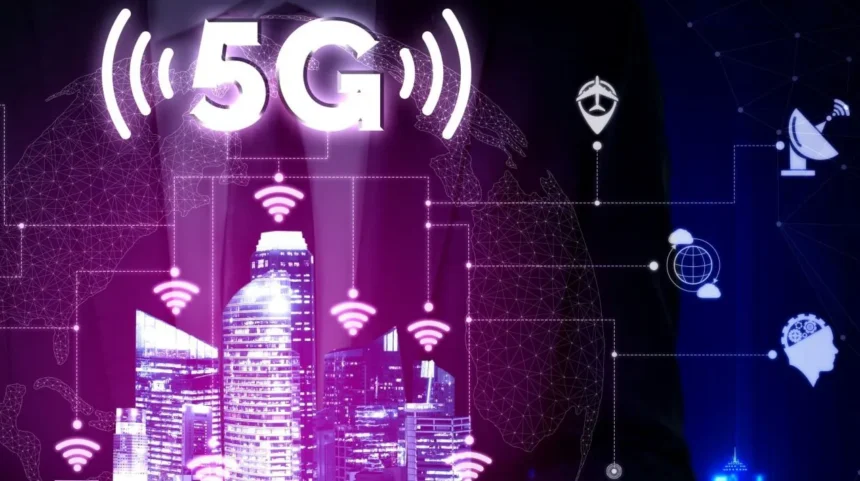
We also note that 5G network development is a fundamental driver of productivity growth, supporting mobile connectivity, the Internet of Things, industrial automation, and integration of enterprise services. Decisions on equipment suppliers affect the integration of new digital infrastructure across key economic sectors, from finance to manufacturing. This makes trust and data security an integral part of a country’s investment appeal.
We believe Vietnam should pay heightened attention to a comprehensive digital security strategy, including enhanced independent verification of 5G equipment, mandatory certification procedures aligned with international standards, and transparent mechanisms for supplier evaluation. Such an approach should combine the economic benefits of affordable equipment with guarantees of high level data protection and technological resilience.
At FinancialMediaGuide, we forecast that countries able to build a balanced digital architecture, including multi vendor solutions and clear regulatory standards, will gain long term advantages through greater attractiveness to foreign investors. This will become a key competitive edge amid global digital transformation and rising international competition for technological leadership. We believe that implementing standardized supplier assessment procedures, conducting regular independent audits, and deploying software for network security management will be crucial factors shaping trust and stability in regional and global technological infrastructure.
For these reasons, we at Financial Media Guide recommend that Vietnamese authorities and regulators undertake a thorough strategic reevaluation of approaches to selecting network infrastructure suppliers, enhance transparency in risk assessment, and create conditions for sustainable digital economy development in line with international standards of trust and security. Such a strategic vision will strengthen the country’s position as a reliable hub for capital and innovation, support growth in the digital sector, and enhance Vietnam’s competitiveness in the global technology market.