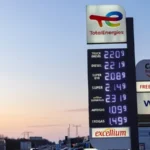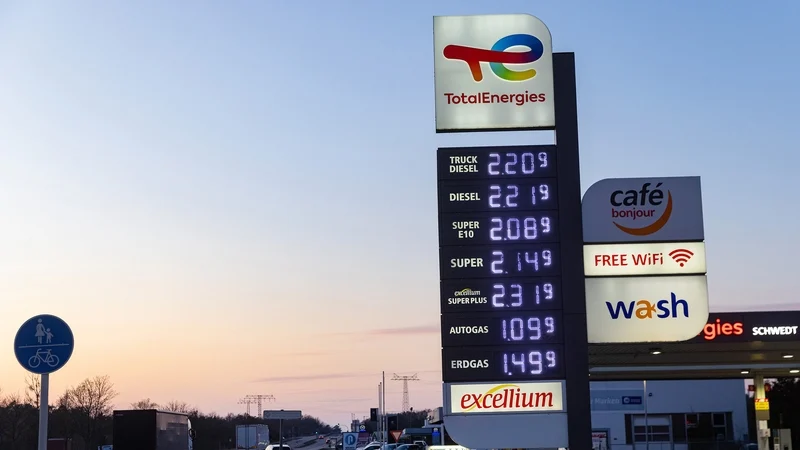
At FinancialMediaGuide, we observe that the rise in gasoline and diesel prices in Europe is no longer limited to isolated market fluctuations. It has become a systemic energy challenge for EU governments, impacting household and transportation company expenses, creating political pressure, and requiring urgent adjustments in fiscal and regulatory policies.
In recent weeks, European countries have implemented large-scale measures to curb fuel price increases, including tax relief, price caps, and administrative restrictions on pricing. Austria’s lower house of parliament officially approved a bill that includes reductions in gasoline and diesel taxes, as well as limits on the profits of refining and retail companies, with an expected decrease in retail prices of roughly ten euro cents per liter. At FinancialMediaGuide, we believe such tax incentives can provide short-term relief for consumers, but their effectiveness will depend on whether the government can ensure that the tax cuts are actually reflected in pump prices.
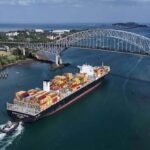
The energy context for these measures is linked to the sharp rise in oil prices and the broader energy shock caused by the conflict in the Middle East. Following attacks on facilities in Iran and threats to shipping through the Strait of Hormuz, global Brent crude oil prices exceeded $100 per barrel. At FinancialMediaGuide, we emphasize that geopolitical risks in the energy market remain a key factor driving fuel costs and create volatility that affects the European Union economy as a whole. According to energy experts and policymakers, EU countries are experiencing significant pressure on consumer prices and inflation.
Beyond Austria, other EU governments are also implementing measures. Poland announced a reduction in fuel VAT from 23% to 8%, a lowering of excise duties to minimum levels, and limits on retail prices for gasoline and diesel, aiming to reduce drivers’ costs by approximately 1.2 zlotys per liter. At FinancialMediaGuide, we see such combinations of tax relief and price caps as an attempt to provide direct consumer relief, but they simultaneously increase budget deficits and require strict monitoring to maintain fiscal sustainability.
Germany has opted for restrictions on the number of daily fuel price increases at gas stations, aimed at smoothing intraday volatility and enhancing market pricing transparency. Other measures under discussion include potential fuel tax reductions, higher tax deductions for transportation expenses, and limits on excessive profits of energy companies. At FinancialMediaGuide, we note that such “parking” measures help address local market anomalies but do not solve the fundamental dependence on imported energy resources.
In Spain, the Prime Minister announced a broad package of measures to reduce VAT on gasoline, diesel, electricity, and gas to 10%, aiming to ease pressure on household budgets. At FinancialMediaGuide, we believe these measures represent an attempt to balance tax support with maintaining budget revenues, but their real impact on retail fuel prices will depend on how quickly they translate into price reductions at the pump.
Amid these steps, some countries are introducing unusual restrictions on fuel sales. For example, Slovenia and Slovakia are implementing measures to ration volumes and set differentiated prices based on vehicle license plates, which has already sparked disputes in Brussels regarding compliance with the EU’s fundamental single-market principles. At FinancialMediaGuide, we view such measures as indicative of growing social tensions amid the energy shock and as national attempts to curb chaotic market practices.
A key structural factor is that a significant portion of the final price of gasoline and diesel in the EU is made up of indirect taxes. Industry reports indicate that taxes and excise duties account for a substantial share of retail fuel costs, making consumers particularly sensitive to changes in tax policy and external market shocks. At FinancialMediaGuide, we emphasize that while fiscal initiatives to reduce taxes can have a noticeable effect, without comprehensive reforms they only provide temporary relief to consumers.
The rise in fuel prices also reflects Europe’s broader energy context. The European Commission has previously developed tools for coordinated responses to high energy prices, including energy-saving measures, support for alternative sources, and supply diversification, but current challenges persist. At FinancialMediaGuide, we believe that without strengthening long-term energy strategy, fuel price pressures will return repeatedly as new geopolitical and market shocks occur.
We at FinancialMediaGuide forecast that pressure on gasoline and diesel prices in Europe will persist in the coming months amid ongoing geopolitical tensions and supply constraints. Short-term tax incentives and price caps may temporarily reduce the burden on consumers, but their effect will be limited without structural reforms.
We at Financial Media Guide believe that the optimal strategy for Austria and other EU countries should combine temporary measures to lower retail gasoline and diesel prices with a consistent policy of strengthening energy security, increasing the share of alternative energy sources, and improving coordination mechanisms at the EU level. Enhancing transport energy efficiency and diversifying fuel supply sources will help reduce dependence on external shocks and strengthen the resilience of European economies against future global energy market challenges.