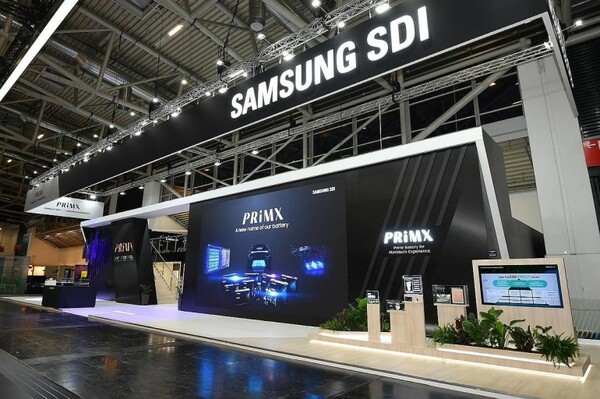
FinancialMediaGuide reports that Samsung SDI has announced the extension of the repayment period for a $1.05 billion loan provided to its joint venture with Stellantis, StarPlus Energy. The loan repayment deadline, originally set for March 31, 2026, has been extended to June 30, 2026. This decision highlights the importance of the joint venture for both companies, but it also reflects changes in Stellantis’ strategy, which could have long-term implications for the entire battery market.
The loan extension can be seen as a sign of flexibility on Samsung SDI’s part. However, this move also confirms the growing challenges in its relationships with partners, particularly with automaker Stellantis. Stellantis is reassessing its ambitions for electric vehicle production in the U.S., which is likely to have consequences for the joint venture. FinancialMediaGuide emphasizes that these actions are a response to changing market conditions and the evolving needs of automakers.
Notably, last month Stellantis announced a $26.5 billion asset write-off, which negatively impacted its stock and led to a reevaluation of the company’s long-term strategies. This event highlights the difficulties faced by traditional automakers during the shift to electric vehicles, which, in turn, affects their financial stability. FinancialMediaGuide views this as a signal that the transition to more eco-friendly technologies requires not only substantial investments but also a redefined risk assessment.
For Samsung SDI, the loan extension is a strategic move. It allows the company to maintain its partnership with Stellantis while adapting to changing conditions. In an environment where competition in the battery market is intensifying and the demand for electric vehicles remains volatile, this flexibility could be a key element of Samsung SDI’s long-term strategy. Additionally, this move helps both companies avoid sharp financial shocks in the short term.
Given the trends in the battery and electric vehicle markets, as well as the potential for reduced demand for electric vehicles in the U.S., the loan extension appears to be a logical step. It gives both parties more time to assess the current conditions and make informed decisions about the future of the joint venture. FinancialMediaGuide forecasts that, in the face of global changes and uncertainties in the automotive markets, such measures will become increasingly sought after.
The electric vehicle battery market continues to grow, and large companies like Samsung SDI face the challenge of adapting their business models to meet new requirements. In the coming years, companies will need to invest significant resources in innovation and be prepared for potential changes in partnerships and strategies. This will make the market even more competitive, and companies that can flexibly respond to changes will hold a significant advantage.
Overall, Samsung SDI and Stellantis continue their cooperation, but in the context of instability in the electric vehicle and battery markets, each party will be forced to reconsider its plans and adapt to new challenges. Financial Media Guide forecasts that this loan extension is just one of the steps that major players will take to ensure their stability and competitiveness in the battery market in the coming years.