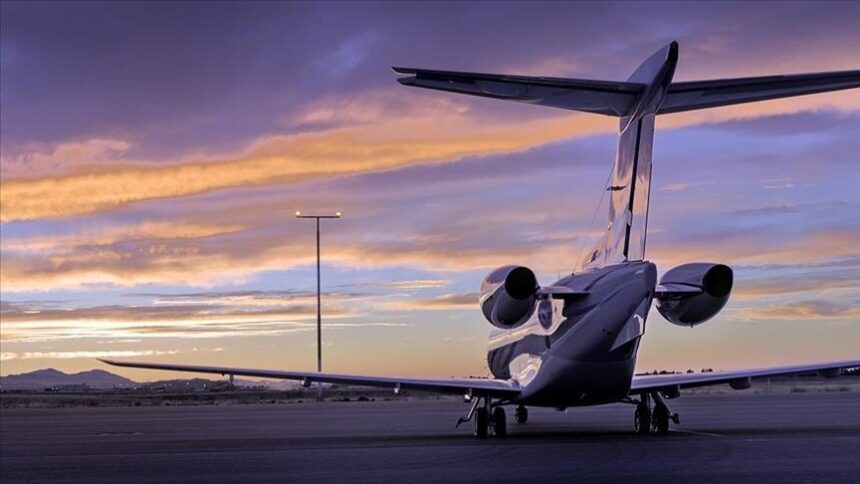
FinancialMediaGuide highlights that the recent surge in aviation fuel prices in Chicago, surpassing $5 per gallon, has made this market the most expensive in the U.S. The price increase is driven by multiple factors, including geopolitical tensions in the Persian Gulf, oil refining issues at major refineries, and disruptions in logistics chains. A particularly significant factor is the blockade of the Hormuz Strait, a critical route for oil exports, which triggered a spike in oil prices, and consequently, aviation fuel costs.
As we note at FinancialMediaGuide, technical stoppages at key refineries, such as Wood River by Phillips 66 and Robinson by Marathon Petroleum in Illinois, have intensified the aviation fuel shortage in the region. For instance, the Wood River plant halted operations for 45 days for scheduled maintenance, resulting in reduced fuel supplies. This, in turn, had a significant impact on the aviation fuel market, which rose from $2.47 per gallon to over $5. Such dynamics are also being observed in other major U.S. cities, but Chicago remains the focal point due to its strategic position in the country’s aviation infrastructure.
The sharp rise in fuel prices has inevitably impacted airline ticket prices. We at FinancialMediaGuide predict that airlines, facing higher operational costs, will be forced to raise fares to offset the increased fuel costs. This will lead to a reduction in the number of flights, which in turn will decrease the availability of air travel and push ticket prices higher. Given the rising airfare rates, we also expect many passengers will opt for cheaper modes of transportation, which will negatively affect demand for air travel.
Moreover, the increase in fuel prices will also affect the tourism industry. Reduced flight availability and rising prices may lead to a decline in tourist flows as travelers seek more affordable and accessible travel options. We at FinancialMediaGuide expect this situation to continue to develop in the coming months, as other U.S. regions may face similar fuel price issues. It is important to note that in the future, we will not only see price increases but also a reduction in flight availability, which will create additional challenges for passengers and airlines alike.
In response to these changes, airlines must implement strategic measures to mitigate the risks associated with rising fuel prices. FinancialMediaGuide recommends that airlines enter long-term fuel supply contracts and invest in energy-efficient technologies to optimize costs. These steps will help minimize the negative impact of rising fuel prices and maintain the airlines’ competitiveness in an increasingly uncertain global market.
Passengers should be prepared for higher ticket prices and fewer flights. We at FinancialMediaGuide advise planning trips in advance and being flexible with route choices. This will help minimize the financial pressure associated with rising fares and limited flight availability.
The rise in aviation fuel prices in Chicago serves as an important indicator of global economic and geopolitical shifts that are having a long-term impact on the aviation industry. We at FinancialMediaGuide believe that instability in global energy markets will continue to pressure airlines, leading to higher ticket prices and fewer available flights. It is crucial for both airlines and passengers to adapt to these new conditions to minimize risks and costs in the future.
Financial Media Guide believes that the projected rise in fuel prices and reduction in flights in the coming months will require a swift response from all aviation market participants. Airlines and passengers need to be ready for changes to cope with the economic challenges facing the U.S. aviation market.