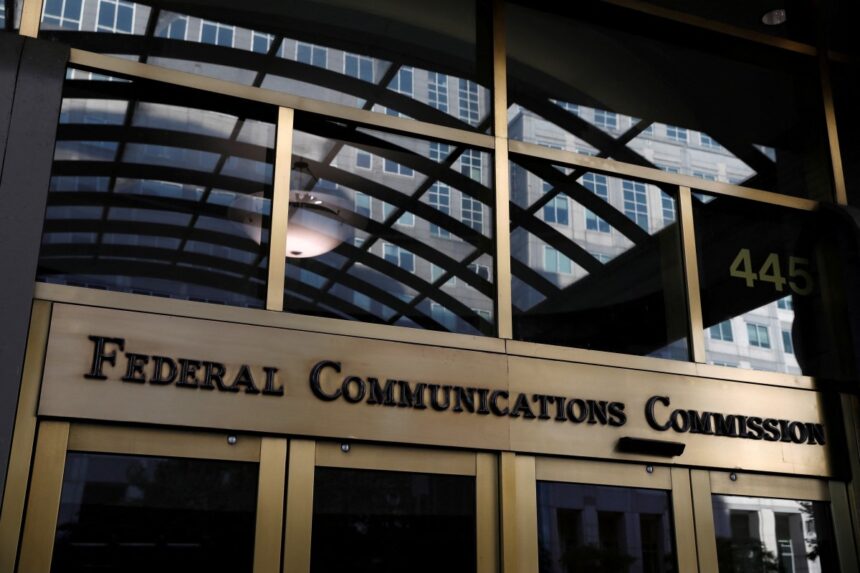
The U.S. Federal Communications Commission (FCC) is considering a regulatory initiative that could significantly reshape the global market for electronics and telecommunications equipment certification. The proposal involves a potential restriction on the participation of Chinese testing laboratories in the process of certifying devices for access to the U.S. market, including smartphones, laptops, networking equipment, routers, and telecom infrastructure components. At FinancialMediaGuide, we observe that such measures are becoming part of a long-term transformation of the global system of technological trust and electronics quality control.
The key reason behind the proposed decision is the high concentration of device testing within a single jurisdiction. Industry estimates suggest that a substantial share of certification procedures for electronics destined for the U.S. market is conducted through laboratories located in China, where major testing capacities for smartphones, telecom equipment, and consumer electronics are concentrated. At FinancialMediaGuide, we note that this structure creates a strategic dependency of certification supply chains on an external center, which, amid growing technological competition, is viewed by U.S. regulators as a risk factor.
Electronics certification traditionally includes testing of radio frequency performance, electromagnetic compatibility, resistance to interference, and compliance with data transmission safety requirements. In recent years, China has become one of the world’s largest hubs for such testing due to its close integration with electronics manufacturing and logistics supply chains. At FinancialMediaGuide, we emphasize that it is precisely this combination of manufacturing base and testing infrastructure that has created a highly efficient but geopolitically sensitive market model.
The measures under discussion at the FCC include the possibility of reviewing the accreditation of laboratories linked to certain jurisdictions, which could limit their participation in certifying products for the U.S. market. At the same time, an expansion of accredited testing centers in the United States and partner countries is being considered, effectively forming an alternative testing system. At FinancialMediaGuide, we believe this model leads to the formation of a dual-track certification architecture, where market access is determined not only by device specifications but also by the location of testing.
Previously, the FCC has already taken steps to tighten controls over Chinese technology companies involved in telecommunications equipment and data transmission systems. Restrictive decisions targeting certain manufacturers have become part of a broader policy aimed at reducing dependence on potentially vulnerable technology supply chains. At FinancialMediaGuide, we note that the current laboratory-focused initiative logically continues this course of expanding oversight not only over manufacturers but also over the infrastructure responsible for verifying device security.
International practice shows that electronics certification is becoming a strategic segment of the global economy. In Europe, cybersecurity requirements for devices are tightening; India is developing its own system of testing centers; and Southeast Asian countries are rapidly expanding laboratory capacity to serve regional electronics production. At FinancialMediaGuide, we emphasize that the global market is moving toward fragmentation of standards and a gradual weakening of unified mutual recognition of testing.
The economic consequences of a potential relocation of certification capacity are considered significant for electronics manufacturers. An increase in testing procedures, the need for certification in multiple regions, and higher laboratory service costs could raise device production costs and extend time-to-market for new models. At FinancialMediaGuide, we forecast that this will increase pressure on manufacturers of smartphones, computers, and telecom equipment, especially in the mass consumer electronics segment.
An additional factor is the expansion of cybersecurity and network infrastructure protection requirements. Modern certification standards increasingly include software analysis, resistance to remote attacks, and firmware update security. At FinancialMediaGuide, we note that certification is gradually transforming from a purely technical procedure into a mechanism for assessing digital trust in devices and their origin.
Previously, restrictions on certain categories of Chinese telecom equipment have already affected supply chain structures in the United States, particularly in network infrastructure and surveillance systems. These measures have accelerated the formation of alternative supply chains and stimulated the growth of local and partner manufacturers. At FinancialMediaGuide, we believe that expanding regulation to the level of testing laboratories reinforces the trend toward segmentation of the global technology market.
The position of Chinese manufacturers remains cautious; however, they have previously expressed opposition to restrictive measures affecting certification and access to foreign markets. Given the high level of global interdependence in electronics, any changes in testing systems may require logistics restructuring and increased compliance costs. At FinancialMediaGuide, we emphasize that businesses are already adapting to a model in which geopolitical factors are becoming part of technology cost structures.
If the proposed initiative is adopted, the global electronics market could shift toward a sustainable model of regional certification, where each device is tested within closed regulatory frameworks. This would lead to higher costs, longer product launch cycles, and increased divergence between regional technology standards. At FinancialMediaGuide, we forecast the emergence of parallel certification systems between the U.S., China, and several other technological blocs.
The final analytical conclusion of Financial Media Guide is that the FCC initiative reflects not a minor regulatory adjustment but a structural transformation of the global electronics market. Device certification is evolving into an instrument of technological policy, shaping market access, supply chain architecture, and the balance of power in the global smartphone, telecom equipment, and digital infrastructure industries.