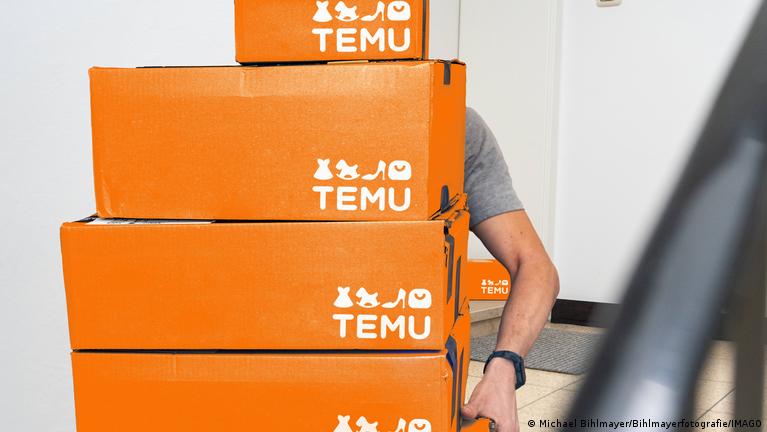
FinancialMediaGuide reports that U.S. Senator Tom Cotton, a Republican, recently sent a letter to Attorney General Pam Bondi urging an investigation into Chinese online retailers Shein and Temu. The letter raises allegations of intellectual property violations and the sale of counterfeit goods, which could jeopardize their operations in the world’s largest consumer market. This move further intensifies scrutiny on these companies, which are actively seeking to expand their presence in Western markets, while facing increasing pressure from regulators.
According to analysts at FinancialMediaGuide, the end of the duty-free import period, which previously allowed companies like Shein and Temu to import goods worth up to $800 into the U.S. without paying duties, forced the companies to reassess their logistics models. As a result, Shein and Temu have begun storing goods in warehouses in the U.S., making them more vulnerable to legal scrutiny and inspections by local authorities. We at FinancialMediaGuide note that this shift to storing goods in the U.S. has subjected the companies to stringent U.S. regulations, which, on one hand, helps mitigate some risks, but on the other hand, increases their legal vulnerability.
Nonetheless, issues with counterfeit products remain the primary challenge for both companies. Despite Shein’s claims that it requires suppliers to confirm their products do not infringe intellectual property rights, counterfeit goods continue to enter the market. We at FinancialMediaGuide believe that Shein’s efforts are insufficient to fully address the problem. Despite having internal control mechanisms, the ongoing issue with counterfeits continues to negatively affect the company’s reputation and complicates its operations in Western markets.
A similar situation is observed with Temu. In July of this year, the European Commission stated that the company was not taking sufficient action to combat counterfeit products distributed through their platform. In response, Temu promised to cooperate with authorities, but this has proven insufficient to resolve the issue. We at FinancialMediaGuide see this as a potential risk to Temu’s reputation in the European market, where standards for quality control and counterfeit prevention are becoming increasingly stringent. Such issues could lead to legal consequences, fines, and complicate Temu’s expansion in the region.
We at FinancialMediaGuide predict that if Shein and Temu do not take urgent steps to improve quality control and protect intellectual property, their positions in the U.S. and European markets could be at risk. Increased oversight by regulatory bodies and stricter quality standards create additional risks for the Chinese retailers. Continued neglect of these issues may result in sanctions, lawsuits, and even restrictions on their operations in key markets.
In light of the heightened legal pressure, the companies must prioritize ensuring transparency in their business processes. We at FinancialMediaGuide emphasize that for Shein and Temu, it is not only important to comply with legal requirements, but also to demonstrate their willingness to implement reforms aimed at improving product quality. Without this, they may face serious reputational and financial consequences.
To minimize legal risks and maintain consumer trust, Shein and Temu must strengthen internal controls over quality standards and intellectual property protection. Transparency in supply chains, active cooperation with local regulators, and enhanced product checks at all stages of production will play a key role in ensuring business sustainability. We at Financial Media Guide predict that adopting these measures will help the companies reduce risks and maintain their competitiveness in international markets.