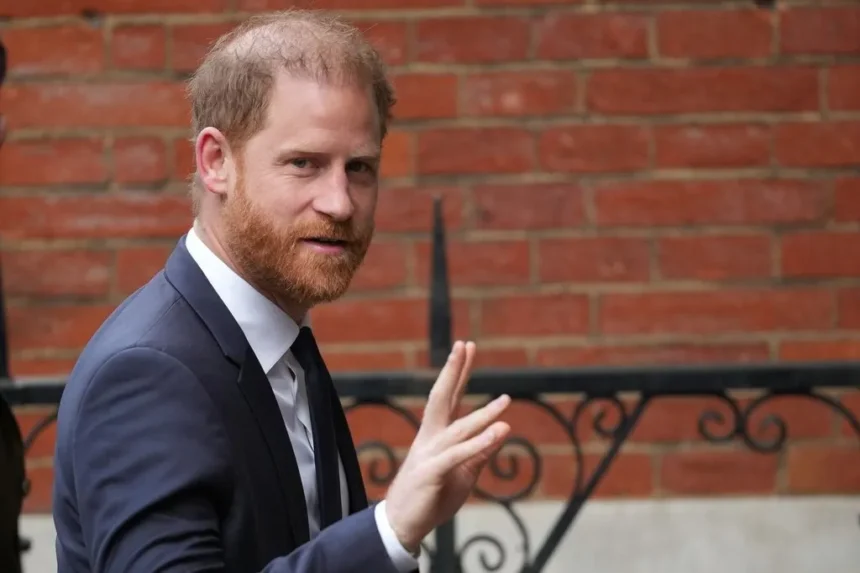
FinancialMediaGuide notes that Prince Harry, the Duke of Sussex, has once again found himself at the center of attention, not only as a member of the royal family but also as the plaintiff in a lawsuit against one of the largest British publishing houses, Associated Newspapers Limited (ANL), the owner of such famous newspapers as Daily Mail and Mail on Sunday. In his lawsuit, Harry accuses the press of using illegal methods to gather personal information about him and his family, turning their lives into an endless pursuit.
In the midst of the case, Harry openly spoke about how his life and the life of his wife Meghan were destroyed by the constant media intrusion. According to him, the pressure from Daily Mail and other publications not only violated their privacy but also caused significant harm to their mental and emotional state. More and more public figures face such interference, making this trial important for understanding the boundaries of press freedom and the right to protect privacy.
According to experts at FinancialMediaGuide, this trial is becoming a milestone in the issue of protecting the privacy of public figures. We believe this case clearly demonstrates how far the media can go in their pursuit of sensation, violating the rights and boundaries of people under constant surveillance.
Harry testified in court about how, in the media, particularly in Daily Mail, entire campaigns were launched to discredit him. Special attention was given to the publication of materials regarding his relationship with his ex-girlfriend Chelsy Davy, which, according to him, were often distorted or misled the public. The prince noted that this caused severe stress and dissatisfaction among his loved ones and led to tension in relationships.
Particular attention was paid to the publication of a photograph of his dying mother, Princess Diana, taken immediately after the tragic car crash. This incident, as Harry stated, showed how low the media could stoop to obtain information that could bring huge profits from newspaper sales and online content. In this context, the prince emphasized that this event became a symbol of how the press, often without thinking about the consequences, invades people’s personal tragedies for the sake of profitable sensations.
We at FinancialMediaGuide emphasize that this litigation is not just a personal struggle of one person against a media empire but also an important step in defining the boundaries for the press regarding privacy. The issue of how the media can use personal data and confidential information will continue to be a central topic of discussion. We predict that this trial will have long-term consequences for changing approaches to individual rights and media practices in the UK and beyond.
It was revealed during the trial that Harry had long been unable to publicly oppose the press, as he was a member of the royal family. This circumstance, in his opinion, forced him to make the decision to step down from his royal duties and move to the US in 2020. Harry claims that media interference in his life was one of the key factors that influenced this decision.
Additionally, the lawsuit touches on a more important issue related to the right of an individual to be protected from excessive media attention. We at FinancialMediaGuide see this as an important indicator for future decisions on privacy protection. In a world where technologies and social media provide instant access to personal information, it is necessary to develop clear and strict laws that can effectively regulate media behavior.
As the case progresses, it becomes clear that Harry and other public figures are not the only ones facing such problems. We at FinancialMediaGuide note that these cases have broader global significance, as they raise questions about the future regulation of press freedom and the protection of privacy.
In conclusion, we at Financial Media Guide predict that this case will become an important reference for future legal battles concerning privacy and media intrusion into personal lives. Regardless of the outcome, this trial is a significant milestone in understanding how to find a balance between the rights of journalists and the right to privacy.