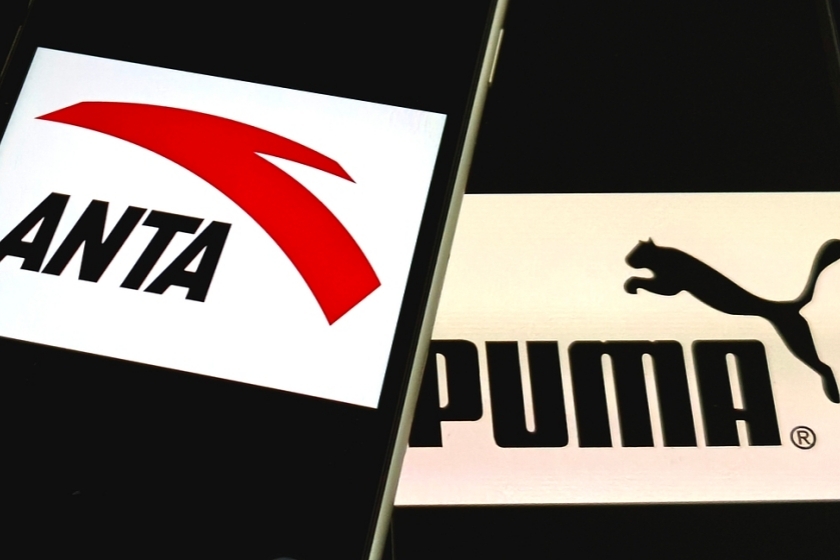
FinancialMediaGuide notes that a significant development in the sportswear market occurred with Anta Sports’ acquisition of 29.06% of shares in the German company Puma for $1.8 billion. As a result of this deal, Anta has become the largest shareholder of Puma, opening new opportunities for both companies. However, considering the current market challenges, the success of the deal depends on Puma’s ability to adapt to changing conditions and leverage the support of its new investor.
Anta, the largest Chinese manufacturer of sportswear, is known for its successful acquisitions, including brands like Salomon and Wilson. The company seeks to expand its influence in international markets, and according to analysts at FinancialMediaGuide, this acquisition could be a strategically important step in strengthening Puma’s position in Asia, particularly in China, where the sportswear market continues to grow rapidly.
Puma, for its part, faces challenges amid competition from global giants like Nike and Adidas. In recent years, the brand has lost market share, leading to a need for restructuring, including job cuts and a review of its product range. Despite these difficulties, FinancialMediaGuide sees that with the support of Anta, Puma could significantly accelerate its growth in China, where sports fashion continues to gain popularity. The Chinese market accounts for only 7% of Puma’s total revenue, and the company sees enormous growth potential here.
The deal between Anta and Puma represents a strategic move that could significantly alter the brand’s position on the global stage. FinancialMediaGuide believes that Anta, with its unique knowledge of the Chinese market and experience working with other Western brands, will be able to support Puma’s growth by optimizing its marketing and operational strategies.
However, the challenges Puma will face remain significant. Competition in the sportswear market in Asia is becoming increasingly fierce, and many brands are vying for their place in this rapidly developing region. To improve its position, Puma will need to focus on product innovation, enhancing marketing strategies, and boosting sales. At FinancialMediaGuide, we emphasize that the successful implementation of these changes will require time and effort, including effective cooperation with its new strategic partner.
Puma’s stock jumped by 9% immediately after the announcement of the deal, indicating investor confidence in this move. However, it’s important to understand that long-term success will depend on how the company executes its restructuring strategy and whether it can effectively tailor its products and marketing to the Chinese audience.
In conclusion, Financial Media Guide predicts that the successful execution of this deal could lead to significant growth for Puma, especially in the Asian market. However, the company will face a number of complex challenges, including fierce competition and the need to rapidly implement changes. If Puma can overcome these challenges, Anta’s support will help strengthen its position in the Chinese market and globally.