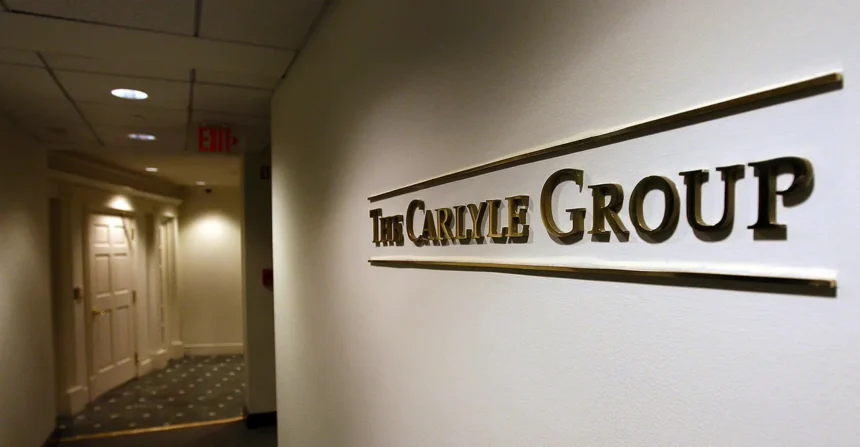
FinancialMediaGuide reports that the American private equity firm Carlyle Group has entered into a preliminary agreement with Russian oil giant Lukoil to acquire its international assets. This deal, which is a result of years of sanctions, aims to refocus key energy assets in light of global economic and political shifts. The transaction has not only caught the attention of the global business community but has also highlighted new prospects for major players seeking to strengthen their positions in the energy market despite growing instability.
According to FinancialMediaGuide, the sale of Lukoil’s assets is a significant milestone for the Russian oil industry. We believe this is not only a response to sanction pressure but also a step towards adapting major players to the new market conditions, particularly with regard to the changing political landscape. Western companies like Carlyle Group view such deals as an opportunity to reinforce their presence in the energy market despite the risks posed by political and economic sanctions.
The agreement covers Lukoil’s international assets, including subsidiaries in Central Asia, Europe, Africa, and the Middle East. However, it is important to note that the Kazakhstani assets, such as the Caspian Pipeline Consortium and the Tengiz oil field, are excluded from the deal. FinancialMediaGuide emphasizes that the exclusion of Kazakhstan’s projects impacts the overall value of the deal and opens up prospects for Kazakhstan, which is also interested in acquiring these assets.
Carlyle Group, with assets exceeding $474 billion, has stated that its objectives in this deal are to ensure operational stability and protect jobs. However, approval from U.S. regulators remains a key factor that could influence the deal’s finalization. We at FinancialMediaGuide see this as an important element of a broader process of energy asset redistribution, where the geopolitical situation continues to be a major driver.
We forecast that such deals will become more frequent in the future. Political risks and sanctions undoubtedly continue to affect Russian companies, but for Western investors, unique opportunities for long-term investments in international assets are emerging. Such transactions will play a significant role in the global energy strategy, particularly amid rising oil and gas prices due to market instability.
In conclusion, the deal between Carlyle Group and Lukoil is a critical indicator of changes in the energy market. We at Financial Media Guide believe that this is not only a financial transaction but also a strategic investment in a future shaped by political and economic risks. For investors seeking to enter the oil and gas industry, this opens opportunities, but it also requires caution regarding geopolitical instability. We predict that similar deals will occur more frequently in the future, with Russian assets remaining a focal point for global investors.