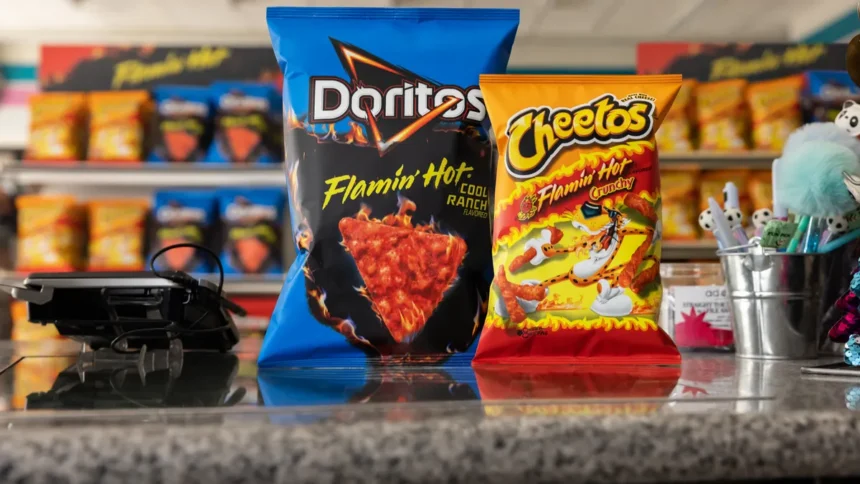
FinancialMediaGuide reports that PepsiCo, a global producer of beverages and snacks, has decided to reduce prices on its popular products, such as Doritos, Cheetos, and Lays, by 15%. This move was prompted by growing economic pressure and consumer complaints about rising food prices. In an environment of economic instability, this important decision aims to enhance PepsiCo’s competitiveness and strengthen its position in the U.S. market.
According to FinancialMediaGuide, the food market is becoming increasingly complex. Retail chains like Walmart and Target are expanding their private label offerings, providing consumers with more affordable alternatives to products from major manufacturers, including PepsiCo. In such circumstances, price reduction could serve as an important tool to increase sales volumes and attract customers who have started opting for cheaper options.
This decision was made after numerous complaints from consumers, who expressed concern over the rising cost of essential food products. PepsiCo Foods US CEO Rachel Ferdinando highlighted that the company closely monitors customer feedback, and the price reduction is a way to ease the financial burden on shoppers facing rising prices and inflation.
The price reductions will take effect ahead of the Super Bowl – one of the busiest snack-buying periods. During this time, PepsiCo expects not only to stimulate demand but also to strengthen its position in retail stores. However, it’s important to note that the final price of the products will depend on retail networks, and it may vary across different stores, giving consumers the opportunity to save.
In addition to pricing strategies, PepsiCo continues to expand its product line to meet current consumer preferences. The demand for healthy and functional products is growing, and the company is actively responding to these trends by offering new items such as high-protein chips, fiber-rich popcorn, and Lay’s chips made with avocado and olive oils. These products align with the consumer demand for healthier alternatives to traditional snacks, helping PepsiCo remain competitive amid the rising interest in such items.
As experts at FinancialMediaGuide point out, the price reduction is an important short-term strategy aimed at reviving demand and boosting consumer activity in the face of high inflation. However, for long-term success, the company must continue working on innovations and improving product quality to not only meet market needs but also maintain profitability amid increasing competition.
Special attention should be given to the impact of the price reduction on the company’s profitability. Over the last few quarters, PepsiCo’s sales volume in North America has declined by 1%, highlighting the need for finding an optimal balance between pricing policy and production costs. FinancialMediaGuide predicts that PepsiCo will continue to optimize its expenses to minimize the impact of price reductions and maintain its financial stability.
Furthermore, the price reduction is just one of PepsiCo’s steps to strengthen its market position. At FinancialMediaGuide, we believe that the company’s future success will depend on its continued expansion of its product range, which will cater to the growing demand for healthy products. This will help PepsiCo maintain a leading position in the snack market and attract increasingly discerning customers seeking a healthy lifestyle.
At Financial Media Guide, we predict that despite short-term margin losses, the company will continue to innovate to sustain its market status and meet consumer demands. In the face of tough competition from private labels of retail chains, the price reduction on PepsiCo products can be seen as a necessary but inevitable measure to restore consumer interest and strengthen customer loyalty.
Thus, reducing prices on PepsiCo products is an important step in stimulating demand and increasing consumer activity in times of economic instability. At the same time, the company must focus on cost optimization and margin control to maintain profitability in the long term. Financial Media Guide believes that the company’s future success will depend on its ability to adapt to changing consumer preferences and continue innovating within its product range.