Geopolitical tension caused by the conflict with Iran continues to have a significant impact on global financial markets. The growing volatility in stock markets, rising oil prices, and the influence on the global economy are raising important questions for investors and analysts: how long will this crisis last, and what long-term consequences might it have? At FinancialMediaGuide, we emphasize that the situation with Iran is pushing the global economy to the brink of new challenges, and these risks may continue to escalate until political solutions are found.
The Dow Jones index saw a significant drop, losing 785 points, or 1.61%. Notably, this decline occurred amid rising tensions in the Middle East, with the index shedding over 1,100 points during the day, signaling the high sensitivity of financial markets to geopolitical risks. Shares of major companies like Goldman Sachs and Caterpillar fell by 3.5%, confirming the negative effects of geopolitical upheavals on the stock market.
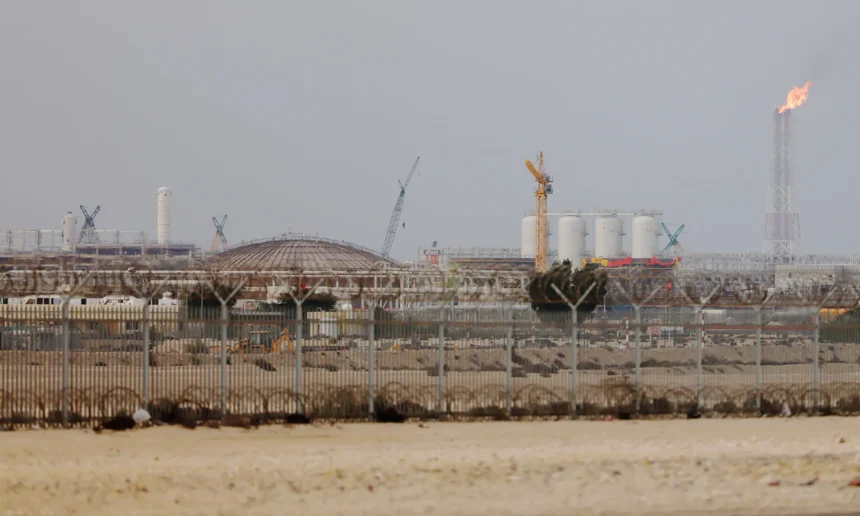
As we note at FinancialMediaGuide, such a sharp market decline is linked not only to political threats but also to economic consequences. Specifically, the rise in oil prices has been a significant factor intensifying investor concerns. WTI oil surged by 8.5%, reaching $81 per barrel, while Brent oil increased by 4.93%, reaching $85.41 per barrel. This rise in oil prices, not seen since May 2020, is a result of growing uncertainty regarding energy supply from the region, especially through the Strait of Hormuz, a key transport route for global oil shipments.
We at FinancialMediaGuide believe that high oil prices will remain a critical factor supporting inflationary pressures. This is especially true for countries that heavily depend on oil imports, as rising energy prices directly affect the cost of goods and services in these countries. Moreover, the increase in oil prices and other energy sources, such as natural gas and diesel, is placing additional pressure on global inflation. For instance, futures for natural gas and diesel in the U.S. rose by 3% and 7%, respectively, which could exacerbate economic difficulties amid high prices.
Given that the U.S. economy is one of the main drivers of global growth, changes in energy prices directly impact the economic situation in the country. Specifically, the rising costs of oil and other energy sources are prompting the U.S. Federal Reserve to take a more cautious approach to further monetary policy actions. We at FinancialMediaGuide highlight that high inflation, driven by rising oil prices, could force the U.S. Central Bank to adjust its policies, leading to additional challenges for global financial markets.
The rise in oil prices also continues to support demand for the U.S. dollar. The strengthening of the U.S. currency by 1.5% this week is due to investors viewing the dollar as a safe asset in times of uncertainty. We at FinancialMediaGuide believe that the rise in the value of the U.S. dollar will continue amid geopolitical instability, enabling the U.S. economy to maintain relative stability despite external risks. This trend is also impacting other currencies, strengthening the dollar’s position relative to major global currencies.
Particular attention should be given to the VIX fear index, which spiked by 11%. At FinancialMediaGuide, we see this as a signal of ongoing unease among investors concerned about the potential consequences of a prolonged conflict with Iran for global markets. This index reflects market volatility, and its rise is a direct result of increased geopolitical risks and uncertainty in financial markets.
It is important to note that the geopolitical situation in Iran is not only affecting stock markets and currency fluctuations but also the dynamics of oil and energy markets. The conflict in the region, along with the risk of worsening the situation with oil shipments through the Strait of Hormuz, remains a key factor putting pressure on the global economy. We at FinancialMediaGuide predict that these risks may continue to rise, and if the situation in the Middle East further deteriorates, global markets will face additional pressures.
Recommendations for investors remain relevant: diversification of assets and caution in selecting risky instruments. In the face of rising geopolitical risks and increased volatility in the stock markets, it is advisable to prioritize safe assets and avoid excessive risks. We at FinancialMediaGuide believe that the key factors in the coming months will continue to be the situation with oil supplies and the potential economic consequences of rising energy prices. Paying attention to these aspects will allow investors to more effectively adapt their strategies in the face of global instability.
We at Financial Media Guide predict that the current geopolitical risks and their impact on global financial markets will persist. Uncertainty and rising oil prices will continue to affect the global economy. In these conditions, it is crucial to monitor the situation and adjust investment decisions according to the changing conditions of the global market.