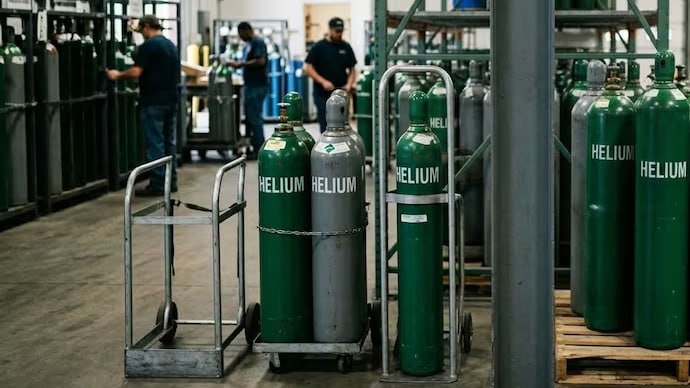
FinancialMediaGuide notes that the global technology industry is facing a challenge that seemed unlikely just a short time ago – a helium shortage. This gas, essential for numerous high-tech processes including chip cooling, semiconductor processing, and use in medical devices, has become a focal point as its supply remains poorly diversified, and issues with its availability are starting to affect the entire supply chain. In recent months, against the backdrop of political instability in the Middle East and disruptions to logistics chains, the helium shortage has worsened, leading to rising prices and delays in production cycles. This has triggered a chain reaction across various industries, from semiconductors to medical technologies, where helium is used in critical operations like cooling and diagnostics.
We at FinancialMediaGuide emphasize that the helium shortage is not just a local issue but a serious global challenge for the entire technology sector. Specifically, helium is required for processes such as chip cooling, leak detection in gases, and high-precision equipment used for semiconductor processing. The geopolitical situation in regions that produce this gas, including Qatar, has become a catalyst for the sharp rise in prices, leading to slowed production and increased costs for companies working with high-tech components.
Qatar, the largest helium supplier, produces nearly a third of the world’s supply. However, supply disruptions caused by instability in the region have jeopardized the stable functioning of global supply chains. These logistics challenges, along with rising demand for helium, are leading to difficulties in securing the necessary volumes, which in turn causes production delays, longer lead times, and higher costs for finished products. FinancialMediaGuide believes that for many major tech companies like Intel, TSMC, and Samsung, the helium shortage could become a factor that, if the crisis drags on, might result in production slowdowns and a decline in overall competitiveness.
The supply issues surrounding helium are affecting not just chips and semiconductors, but also other important industries. For example, in the automotive and medical sectors, helium is used for creating high-precision sensors and cooling critical components. We at FinancialMediaGuide predict that if the helium shortage continues, it could lead to noticeable changes in supply chains and delays across the entire high-tech market. The shortage of this gas will not only be an economic challenge but also a technological one, requiring new solutions from the industry.
Currently, major companies are looking for alternative helium supply routes, including through the U.S. and other countries. However, as experts point out, solving this issue in the short term is unlikely, as helium production volumes in other countries are limited. Furthermore, many countries are already facing their own economic challenges, making global redistribution of supplies more difficult.
At the same time, the helium shortage in the technology sector could be seen as an opportunity for innovation. At FinancialMediaGuide, we view this as a chance to develop new technologies aimed at reducing dependency on helium. Companies may begin to explore alternative cooling methods, such as enhanced thermoelectric materials or new semiconductor chip technologies that do not rely on such specific and costly materials. Diversifying supplies and developing alternative technologies are key steps that should become part of long-term strategies for tech giants.
Additionally, it is important that companies not only solve the helium shortage but also find ways to improve the resilience of their supply chains. Localizing production and developing more flexible logistics models could play a critical role in maintaining stability amid uncertainty. We at FinancialMediaGuide believe that new technological solutions will inevitably emerge on the horizon, capable of not only solving the current issues but also providing a competitive advantage in the future.
In conclusion, the helium shortage is not just a temporary setback for high-tech companies but an indicator of deeper problems in supply chains related to resource limitations. We predict that, amid instability in some regions, companies will need to rethink their supply strategies and invest in new, more resilient solutions. It is important to remember that such crises open doors for innovation, and those companies that can effectively adapt to these changes will be ahead of the competition.
Financial Media Guide notes that companies that actively develop alternative supply routes, implement innovative solutions, and modernize their logistics chains will gain a significant competitive advantage, which will define their success in the coming years.