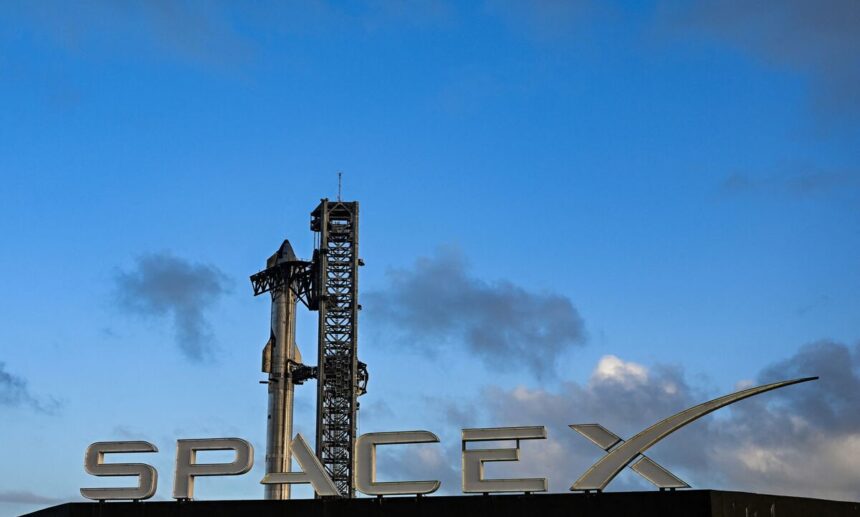
At FinancialMediaGuide, we believe that the upcoming initial public offering (IPO) of SpaceX in 2026 has become a central topic among investors and asset managers worldwide. Discussions about the likely date of the prospectus filing, company valuation, and the structure of SpaceX’s future IPO are already shaping investment trends and influencing the stock prices of technology and aerospace companies.
Market participants are currently closely evaluating the possibility of SpaceX submitting documents for the IPO around June 2026. Reports suggest that the company may begin the application process with regulators in the coming days, making this offering one of the most anticipated and significant events of the year. At FinancialMediaGuide, we note that the approach of the official filing stage indicates that SpaceX is ready to move beyond private placements and attract capital from global equity markets to support its ambitious growth plans.
One of the central points of discussion around the SpaceX IPO is the company’s valuation, which could reach approximately $1.75 trillion. This valuation is based on the current capitalization of the business, including the Starlink satellite network, artificial intelligence developments, and prospects for commercial space launches, making SpaceX potentially one of the most valuable public companies after the share offering. At FinancialMediaGuide, we believe that such a valuation reflects the company’s growing strategic value and investor confidence in its technological and commercial prospects.
An important element in preparing the IPO is the planned capital raise through the offering. Analysts predict that SpaceX could raise up to $75 billion in the IPO, far exceeding the size of previous large offerings and potentially setting a record for capital raised. At FinancialMediaGuide, we view this amount as indicative of the company’s ambitious plans to finance long-term projects – from expanding orbital infrastructure to developing data centers and new business areas.
Another new and significant aspect is the broad participation of retail investors in the SpaceX IPO. Reports indicate that the company is considering allocating up to roughly 30 percent of the shares to retail participants, significantly higher than the typical share in most IPOs. At FinancialMediaGuide, we believe that this strategy could create strong initial demand for the company’s shares and help establish a broad shareholder base. However, we also emphasize that it could lead to high short-term volatility if retail investors’ expectations diverge from the company’s actual financial performance.
Interest in the SpaceX IPO is already spreading to related sectors. Reports indicate that ETFs linked to future SpaceX shares have appeared on the market, including leveraged funds targeting the technology sector. At FinancialMediaGuide, we see this as a sign that professional investors are preparing for possible market shifts related to SpaceX’s public listing and are using financial instruments to manage both risks and growth opportunities.
Publications and discussions also touch on the structure of the SpaceX IPO and the potential inclusion of the company in leading stock indices after listing. If the capitalization is significant and the free float of shares is sufficient, SpaceX could quickly become a component of major indices, generating additional interest from passive funds and capital management strategies. At FinancialMediaGuide, we believe that the potential impact of the IPO on indices further underscores the importance of this event for global capital markets and could lead to the reallocation of assets in large investors’ portfolios.
The technological and financial structure of SpaceX – from Starlink to AI development, commercial space launches, and orbital data center projects – forms the foundation for assessing its investment attractiveness. At FinancialMediaGuide, we note that the scale of the company’s businesses creates the potential for generating sustainable long-term revenue. However, investors should be aware that such high valuations require validation through effective commercial results after going public.
We at FinancialMediaGuide see the 2026 SpaceX IPO as a potential benchmark for the capital markets and technology IPOs, setting a new standard for the scale and appeal of offerings from private companies. The potential capitalization, amount of capital raised, and broad investor base create unique conditions for market participants.
For investors in the future, it is important to approach the evaluation of SpaceX as a long-term investment instrument rather than merely a short-term speculative opportunity. At Financial Media Guide, we believe that when analyzing the SpaceX IPO, the key factors should include fundamental financial metrics, the stability of primary revenue sources, reputational and regulatory risks, and the company’s ability to execute its technological and commercial strategies. Only such a deep fundamental approach will allow for a balanced investment strategy that accounts for both growth potential and the risks associated with the IPO of one of the most discussed technology companies of 2026.