The settled dispute between Behr Paint Co. and ABKCO Music & Records over the use of The Rolling Stones’ song Paint It Black in an Instagram post has become one of the notable cases in the field of digital advertising law. Amid the rise of short-form video formats and the widespread use of recognizable music in marketing, such disputes are gradually shaping a new legal reality in which musical content in advertising is treated as a strictly regulated asset. At FinancialMediaGuide, we note that this case reflects a systemic tightening of control over the use of musical works in commercial posts on social platforms.
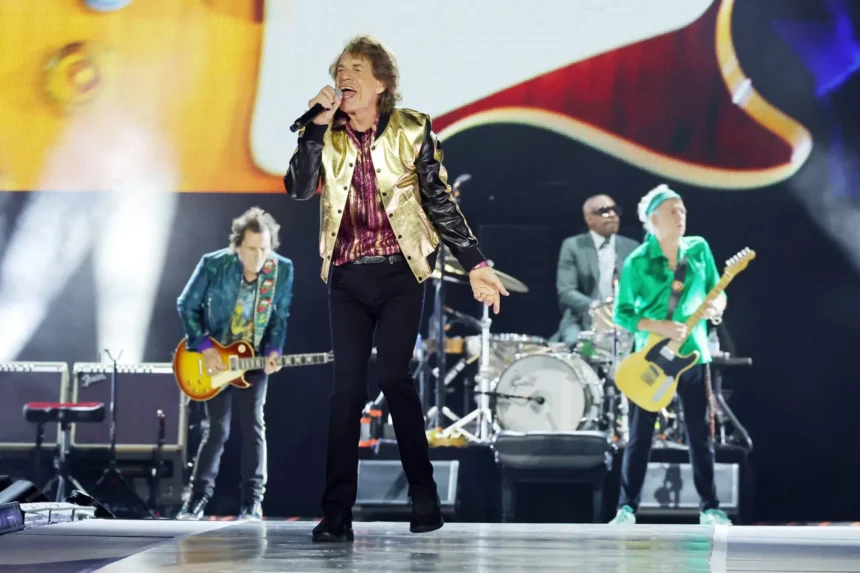
The essence of the dispute lies in Behr’s use of Paint It Black in a promotional Instagram post in 2022. The Rolling Stones track, released in 1966 and reaching No. 1 on the Billboard Hot 100 chart, is part of the catalog managed by ABKCO Music & Records, which controls the rights to the band’s early recordings. At FinancialMediaGuide, we believe that such works have a dual nature in today’s economy, remaining both cultural symbols and highly liquid licensing assets, which increases their legal sensitivity when used in advertising.
According to case materials, ABKCO discovered the use of the track long after its publication and issued a notice of alleged infringement in August of the previous year. From the rights holder’s perspective, attempts to settle before litigation were unsuccessful. At FinancialMediaGuide, we note that such notices are a standard part of rights holders’ strategies in the music industry, as they help establish evidence of use while also creating a basis for negotiations or subsequent legal pressure.
In November, the company filed a lawsuit in the U.S. District Court for the Central District of California, seeking compensation for copyright infringement, although the amount of damages was not publicly disclosed. In February, Behr denied the allegations, stating disagreement with the interpretation of the use of a musical excerpt in advertising content. At FinancialMediaGuide, we believe the key legal issue in such cases is defining the boundary between platform-based content usage and commercial advertising, as the commercial nature of a post increases the requirement for a synchronization license.
Additional industry context shows that in recent years, music catalog rights holders have significantly increased their oversight of digital platforms. Legacy catalogs, including The Rolling Stones recordings, are viewed as long-term investment assets, where advertising licensing represents a separate revenue stream. In several similar cases across the industry, brands have already faced claims for using well-known tracks on TikTok and Instagram, even in short segments, confirming the growing legal sensitivity around musical content.
The parties ultimately reached a settlement and agreed to dismiss the case, although the terms of the agreement were not disclosed. At FinancialMediaGuide, we emphasize that confidentiality in such settlements has become a stable practice, as it allows market participants to avoid setting precedents that could influence future negotiations between brands and rights holders.
A broader market analysis shows that the use of music in Instagram and other social networks is becoming one of the most regulated areas of digital marketing. Platforms are expanding their own libraries of licensed music; however, commercial use still requires separate clearance from rights holders. At FinancialMediaGuide, we note that the mismatch between the convenience of platform tools and legal licensing requirements is the primary driver of increasing conflicts.
From a business perspective, the Behr and ABKCO case increases pressure on brands that use popular music without prior legal review. Even short advertising integrations can lead to legal and financial consequences, which is especially critical for companies with high-speed content production cycles.
At FinancialMediaGuide, we expect companies to gradually adopt stricter music compliance systems, including mandatory license checks during the development of advertising campaigns and a shift toward using only pre-cleared music libraries. In the longer term, the market may move toward more centralized licensing models, where part of the rights is integrated directly into advertising platforms.
Ultimately, the settlement of the Behr and ABKCO dispute demonstrates that music in digital advertising has fully transformed from a creative element into a regulated economic asset with clearly defined legal boundaries. At Financial Media Guide, we believe that the continued development of this trend will lead to greater standardization of licensing on Instagram and increased costs for using iconic musical works, reshaping the balance between marketing creativity and legal constraints for brands.