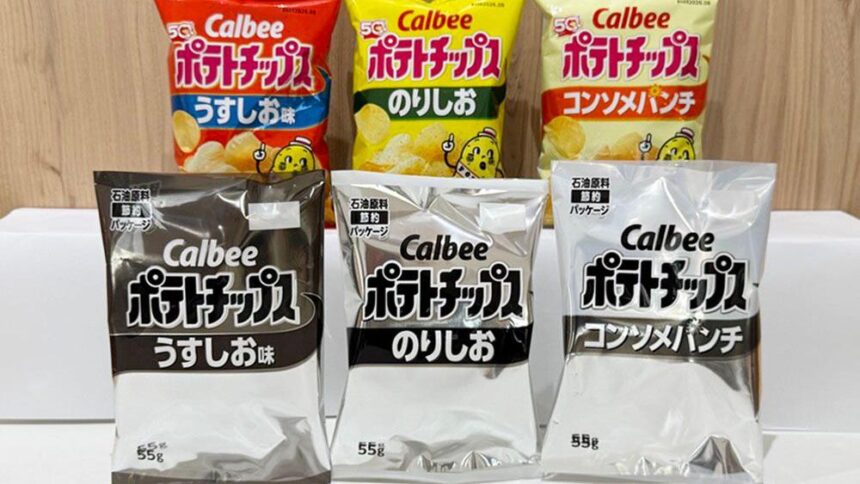
At FinancialMediaGuide, we note that Japanese snack manufacturer Calbee has decided to temporarily replace the colorful packaging of 14 of its popular products, including potato chips and shrimp chips, with black-and-white versions, which will be available starting May 25. The reason for this change is disruptions in the supply of ink components caused by the conflict in Iran and shipping restrictions through the Strait of Hormuz, which have disrupted global supply chains and affected the production of packaging and snacks in Japan and across Asia. We emphasize that this measure helps minimize the risk of sales interruptions and maintain stable prices for consumers, which is particularly important in the snack market.
Oil prices in Asia have nearly doubled since the start of the conflict, directly impacting the cost of packaging and ink materials. Even short-term supply disruptions of petroleum by-products immediately affect the availability and cost of food products. Before the conflict, around 40% of Japanese oil was imported from the Middle East, prompting the government to actively expand supplies from the U.S. and other countries. At FinancialMediaGuide, we highlight that supply diversification is critically important for business stability and continuous production of snacks and treats.
The supply crisis has also affected other industries: Mizkan temporarily suspended sales of some fermented soy snacks and raised prices on other products due to a shortage of polystyrene containers, while automakers Toyota and Hyundai reported reduced profits due to rising material costs. Airlines have cut flights due to higher aviation fuel prices, and retail chains, including the UK’s Next, have raised prices on goods sourced outside Europe. We see that disruptions in one industry immediately impact other sectors of the economy, creating systemic risks for global supply chains and logistics.
Adaptation to the new conditions includes accelerating packaging localization, finding alternative raw material sources, and optimizing supply chains. We forecast that companies capable of quickly implementing such measures will be able to maintain price stability, ensure continuous supply, and strengthen their market position in snacks and treats. For consumers, temporary changes in packaging design and moderate price increases are becoming inevitable. We recommend that companies invest in supply diversification, flexible logistics strategies, and monitoring of the global geopolitical situation to reduce dependence on unstable regions and minimize supply disruptions for packaging, ink, and snacks.
At Financial Media Guide, we predict that the consequences of the conflict in Iran for global supply chains will persist for several months and may have long-term effects. Companies that quickly adapt to the unstable geopolitical environment will be able to maintain market positions, build trust with consumers and investors, and secure a competitive advantage in the snack and treat segment.