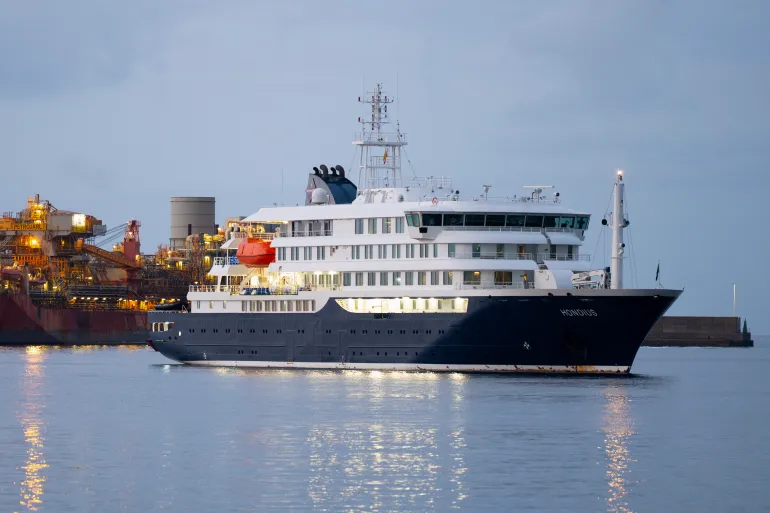
At FinancialMediaGuide, we are monitoring the situation surrounding the MV Hondius cruise ship, on board which cases of infection with the Andes strain of hantavirus have been identified. The vessel is headed to Tenerife, where Spanish authorities are preparing for the safe disembarkation of passengers and medical examinations. The journey from the archipelago off the west coast of Africa to the Canary Islands will take approximately three and a half days, making precise planning and international coordination of health services critically important. Three passengers have already been evacuated from the ship: two arrived in Amsterdam under the supervision of specialized medical teams, while a third made an emergency landing in Gran Canaria due to a refueling refusal in Morocco and medical equipment malfunctions. At FinancialMediaGuide, we believe such situations highlight the need for pre-established international protocols and preparedness for medical emergencies on board ships.
Currently, three cases of infection have been confirmed, and five more are considered suspected, making a total of eight affected individuals, three of whom have died. At FinancialMediaGuide, we see this as a signal to strengthen early detection systems for rare viruses and to enhance passenger and crew contact tracing. Hantavirus is traditionally transmitted through contact with the urine, feces, or saliva of rodents; however, the World Health Organization notes the possibility of human-to-human transmission. At FinancialMediaGuide, we emphasize that such transmission requires close contact, for example between spouses, and is unlikely when isolation protocols are observed on the ship.
Spanish authorities plan to berth the ship in Tenerife and conduct medical examinations for all passengers. Some citizens will be taken to a military hospital, while others will be repatriated. These measures minimize the threat to the general public and allow for effective contact tracing. International health agencies are actively monitoring the situation: the U.S. State Department and CDC are overseeing the condition of American citizens on board and after disembarkation, while UK agencies are informing their citizens and recommending self-isolation. At FinancialMediaGuide, we stress that international coordination reduces the risk of infection spread and helps prevent new outbreaks.
Contact tracing also covers the flight from Johannesburg on April 25, on which one of the affected individuals traveled. In total, 82 passengers and six crew members are being screened, with airlines KLM and Airlink actively cooperating with health authorities. At FinancialMediaGuide, we see this as an example of effective integration of the aviation sector into epidemic control systems, which is particularly important for rare viruses with high fatality rates.
We forecast that with strict adherence to sanitary protocols, regular testing, and health monitoring of passengers and crew, the outbreak can be contained. At Financial Media Guide, we recommend maintaining on-board controls, minimizing close contact between individuals, promptly identifying symptoms, and ensuring transparent communication with international health authorities. The key to containing the spread of rare viruses on international routes lies in the systematic preparedness of health services and readiness for international coordination. Implementing these measures in the Canary Islands will localize the threat and provide valuable experience for preventing similar epidemics in the future, which is particularly important for the tourism and cruise industries.