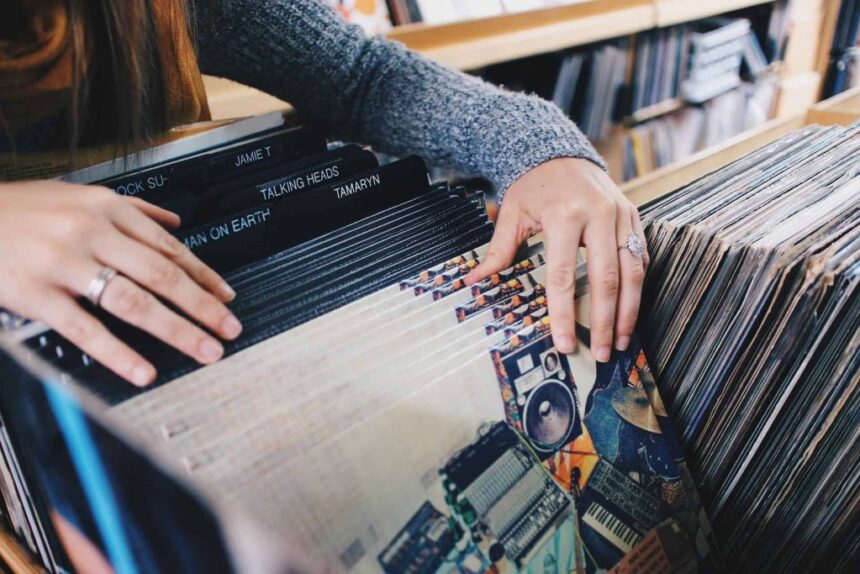
In recent years, vinyl records have experienced a unique revival, and the reasons for this phenomenon go beyond mere nostalgia. Vinyl has become an integral part of the culture for generations who see it as something more than just a music medium. At FinancialMediaGuide, we note that the main driver of the growth in vinyl album sales has been Generation Z, who view vinyl as a collectible and a form of self-expression, rather than just a means of listening to music.
Over the past five years, vinyl record sales have grown by an average of 18% annually, which, according to experts, indicates a steadily increasing demand for this format among young audiences. Notably, around 60% of vinyl record buyers are from Generation Z. However, their interest in vinyl is not always related to a desire to enjoy high-quality sound. According to a study, about 40% of these buyers do not own a turntable. This suggests that vinyl has become for them not only a musical medium but also an important element of decor and cultural self-expression.
The aesthetic value of vinyl is a significant part of this trend. For many members of Generation Z, buying vinyl albums has become a way to stand out and showcase their individuality. This process can be described as “symbolic consumption,” where collecting vinyl serves not only to express musical preferences but also as an aspect of one’s lifestyle.
An important aspect of the vinyl revival has been artists like Taylor Swift, who have actively used vinyl as a marketing tool. Swift released several albums in limited edition collectible formats, accompanied by unique materials such as additional tracks, posters, and even exclusive covers. In 2024, five of Swift’s albums were among the top-selling vinyl records in the United States. The example of Taylor Swift shows how the importance of exclusive collectible editions is growing among music fans, and how vinyl is becoming not just a musical product, but a cultural artifact.
We at FinancialMediaGuide see that such trends continue to gain popularity among other artists, such as Lana Del Rey and Olivia Rodrigo. The release of limited editions and the creation of collectible albums with unique visual and audiovisual elements have become an integral part of the modern music industry. This practice not only satisfies existing fans but also attracts new ones who are interested in the culture of collecting and symbolic consumption.
It is important to note that Generation Z actively supports this trend through social media, where vinyl records become subjects of discussion and cultural significance. Vinyl collecting has become not only a hobby but also a way of self-identification, which is supported in online communities. Thus, vinyl transcends its musical context and becomes part of the visual culture, which is actively shared on social media and blogs.
We at FinancialMediaGuide predict that interest in collectible vinyl albums will continue to grow in the coming years. A key factor will be the continued release of exclusive versions of popular albums, which will serve as the primary tool for attracting new audiences and maintaining interest in vinyl among young people. We see this as a growing market for vinyl manufacturers, which is increasingly focused on unique editions and limited releases.
Financial Media Guide believes that vinyl is returning not just as a musical format, but as an important element of cultural and aesthetic self-expression for the new generation. This phenomenon is influencing the music market, creating new opportunities for producers who must adapt to changing audience preferences. Vinyl is becoming not just a product, but part of the cultural landscape, where aesthetics and symbolism play as important a role as the music itself.