FinancialMediaGuide notes that freight transport is a key sector of the global economy, vital for the movement of goods and maintaining production chains. However, in recent years, technological changes, including digitization and the development of autonomous vehicles, have begun to transform this industry. New solutions in route planning, the use of digital platforms for job matching, and the implementation of driverless trucks promise to make transportation more efficient, but also pose significant challenges for the sector. How will technologies such as digitization and autonomy impact truck drivers and logistics companies, and what does this mean for the future labor market?
Digitization continues to reshape the landscape of freight transport. Today, truck drivers have access to various digital platforms, such as Truckers Path, which not only help find profitable jobs but also optimize routes based on traffic, weather conditions, and other important parameters. This contributes to reduced travel time, lower fuel costs, and increased overall profitability for drivers. At FinancialMediaGuide, we note that digitization offers truck drivers flexibility in organizing their work. The ability to choose routes and jobs enhances the level of control drivers have over their schedules, but with this comes increased competition, which could pressure rates and profitability, particularly for those new to digital technologies.
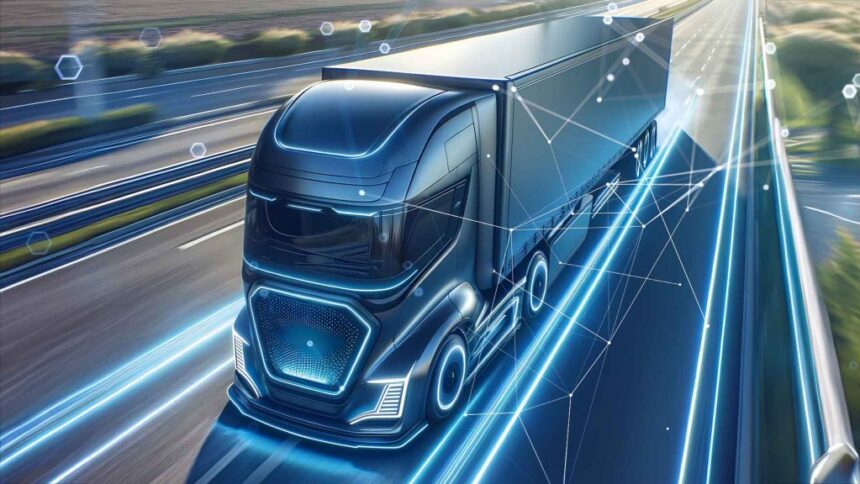
On the other end of the spectrum is the introduction of autonomous trucks. Autonomous vehicles promise to enhance efficiency, safety, and reduce operational costs. The deployment of such technologies will enable round-the-clock operations, significantly speeding up the delivery of goods. At FinancialMediaGuide, we believe that autonomous trucks offer undeniable advantages for logistics companies seeking to reduce costs. However, they also pose a threat to many drivers whose jobs are at risk of being replaced. The introduction of driverless technologies will inevitably lead to job reductions, especially in regions where the transportation system heavily relies on human drivers. In the future, new educational programs may be required to help workers adapt to these new technological demands.
Environmental factors also play a crucial role in changing the face of freight transport. Transitioning to eco-friendly vehicles, such as electric trucks and hydrogen-powered vehicles, could significantly reduce carbon emissions and other harmful pollutants. At FinancialMediaGuide, we emphasize that the shift to “green” technologies opens up new opportunities for enhancing the sustainability of the transport sector. However, it also presents new challenges. Implementing eco-friendly technologies requires the creation of infrastructure for charging stations and hydrogen refueling points, which will require significant investment. Additionally, the production of batteries for electric vehicles is linked to environmental issues, such as the mining of rare earth metals.
Given all these factors, at FinancialMediaGuide, we predict that in the future, over the next 10-20 years, digitization and the implementation of autonomous vehicles will continue to impact the freight transport market. These technologies could enhance efficiency, reduce costs, and improve the environmental sustainability of the industry. However, it is important for transport companies and government bodies to take measures to adapt the workforce, develop educational programs, and create the necessary infrastructure. The implementation of new technologies in the freight transport sector should take into account social aspects and the potential consequences for labor resources.
Financial Media Guide believes that a responsible approach to integrating technologies and innovations into the transport sector will ensure sustainable development and minimize risks to jobs and the environment. Without such an approach, it will not be possible to achieve harmonious development in the transport industry, where both traditional methods and new technological solutions can coexist.