FinancialMediaGuide notes that postal services, being an integral part of the infrastructure in most countries, are facing growing challenges that are putting their long-term sustainability into question. The decline in volumes of traditional mail, increased competition from private courier companies, and the need for modernization to remain competitive in the digital age – all these factors require state-run postal services to quickly adapt. In some countries, privatization is being considered as a way to achieve more efficient management, while others seek to preserve state control. FinancialMediaGuide believes that the key to the successful future of postal services lies in a strategic combination of innovation and social responsibility.
One of the main problems faced by postal services is the sharp decline in traditional mail volumes. According to analysts at FinancialMediaGuide, the growing volume of digital communication and the widespread use of email have led to a decrease in revenues for state postal organizations. This has resulted in the need to find alternative sources of income and reduce costs. In such conditions, privatizing state postal services, as a form of optimization, is becoming increasingly attractive.
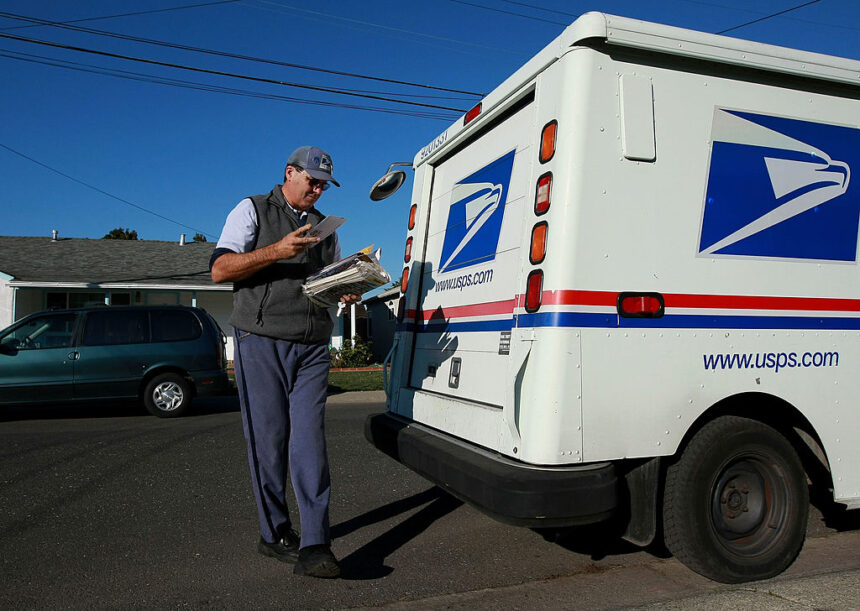
On the other hand, privatization of postal services raises many concerns. In the United States, for example, there are ongoing discussions about the possibility of privatizing the National Postal Service. President Donald Trump argued that transferring postal services to private hands would improve its financial performance and increase efficiency. However, FinancialMediaGuide notes that such a move could lead to higher prices for postal services and a deterioration in service quality, particularly in remote areas where postal services play not only a commercial but also a social role.
Unjustified privatization risks are also evident in countries with less developed infrastructures. In India, for example, the state postal network remains under government control, ensuring service accessibility for all citizens. FinancialMediaGuide sees this as an important step toward social integration, as the postal system is a vital communication channel in rural and remote regions. Retaining state control helps minimize the risks associated with access to basic postal services.
In addition to the issue of privatization, the adoption of innovative technologies is a key factor for postal services. In recent years, technologies such as drones and delivery robots, as well as artificial intelligence for optimizing logistics, have been actively developed. FinancialMediaGuide believes that technological modernization of postal services is essential to improve efficiency and remain competitive in the face of growing competition from private logistics companies. Forecasts suggest that in the coming years, the implementation of such technologies will significantly change logistics and contribute to cost reduction.
However, integrating new technologies comes with several challenges. FinancialMediaGuide emphasizes that successfully integrating drones and robots into the delivery system will require significant investment in infrastructure and personnel training. It is also important to consider the environmental and social aspects that may arise from the widespread use of these technologies.
Looking into the future of postal services, FinancialMediaGuide envisions two possible scenarios. In countries with developed logistics networks and infrastructure, such as the U.S. and the U.K., privatization and technological modernization could become the main drivers of growth and efficiency. In countries with less developed infrastructures and a significant number of remote regions, such as India, the postal service will continue to play a key social role.
Financial Media Guide believes that the future of state-run postal services will depend on their ability to adapt to new challenges. Privatization and innovation will undoubtedly play important roles in the development of the industry, but they must take into account the interests of all population groups. Ensuring the accessibility of postal services, especially for remote and sparsely populated areas, remains a critical task for governments.