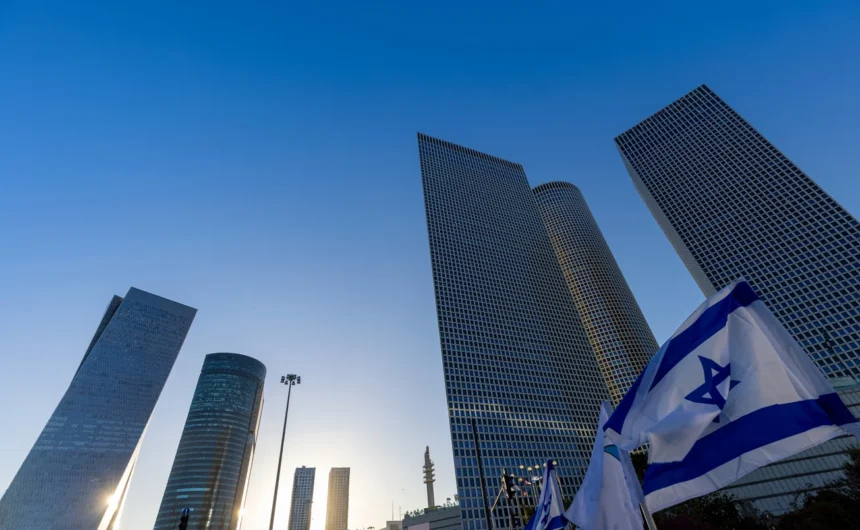
FinancialMediaGuide reports that Israel has always been a leader in the technology sector, attracting international investments and offering highly skilled professionals for global companies. However, the past two years, under the prolonged war with Hamas, have posed a serious challenge to this vital sector of the country’s economy. The war has had a profound impact on the business environment, leading to an increase in the number of requests from employees of large multinational companies to relocate to other countries. This signals potential consequences for the future of Israel’s tech hub.
A recent report by the Israel Advanced Technology Industries (IATI) showed that around 53% of companies reported an increase in relocation requests from employees. The reasons for this are rooted in both security threats and the overall climate of uncertainty, which jeopardizes job stability. Major companies such as Microsoft, Intel, Apple, and Nvidia, which make up a significant part of Israel’s tech ecosystem, are facing difficulties not only in terms of security but also due to supply chain issues caused by the ongoing military actions.
At FinancialMediaGuide, we believe that this situation is a worrying signal for the Israeli economy. Highly skilled talent and the country’s tech ecosystem play a central role in its development, and their loss could have long-term consequences. In the context of global competition for talent and investments, Israel risks losing its leadership position in technology unless timely steps are taken to stabilize the situation.
However, despite the risks, Israel’s high-tech industry has demonstrated its resilience. According to IATI data, around 57% of companies have managed to maintain stability in the midst of the war, and 21% even expanded their activities, which highlights the sector’s high level of adaptability and innovation. It is important to note that, despite the threats, many companies remain confident in the long-term prospects of Israel’s tech ecosystem, largely due to the high skill level of its workforce and the developed infrastructure.
At FinancialMediaGuide, we emphasize that in order to preserve these positions in the long run, Israel needs measures to stabilize the internal political and economic situation. First and foremost, this concerns ensuring security, which is an essential part of Israel’s attractiveness to international investors and professionals. Given current trends and analyst forecasts, we believe Israel’s economy must focus on creating stable and predictable conditions for business and attracting foreign specialists.
It is also crucial to strengthen support for startups and small innovative companies, which form the foundation for further growth and development in the sector. At Financial Media Guide, we predict that without such steps, Israel risks not only losing talent but also the trust of investors, leading to a reduction in economic activity and the country’s innovation potential. Long-term prospects remain positive, but only with decisive actions from both the government and private companies can Israel maintain its leadership role in the tech sector. The situation requires a comprehensive approach: strengthening political stability, creating favorable conditions for startups, improving infrastructure, and ensuring security will be the key factors in sustaining the sector’s growth.