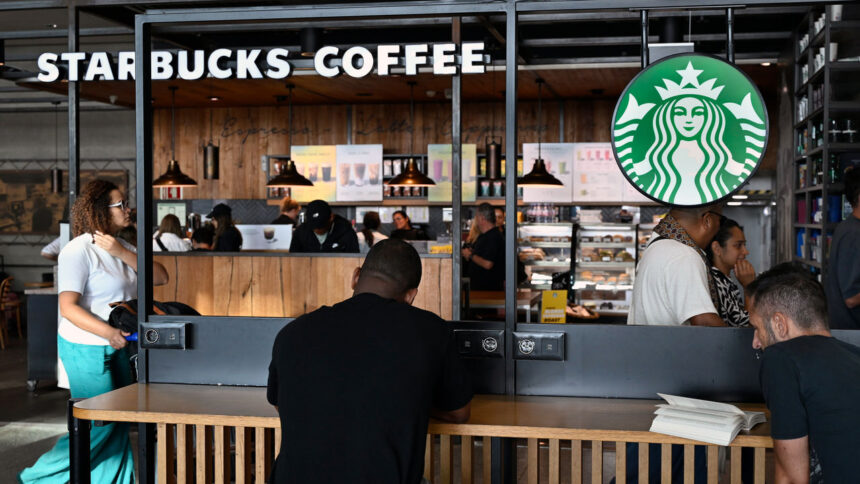
FinancialMediaGuide notes that Starbucks, one of the world’s largest coffeehouse chains, has long been associated with the abundance of its cafes on every corner of major cities such as New York, Los Angeles, and Chicago. However, recent market changes and internal challenges have prompted the company to reconsider its strategy. In response to rising competition and shifts in consumer preferences, Starbucks is focusing on reducing the number of locations in cities and reassessing its presence in large metropolitan areas.
According to analysts at FinancialMediaGuide, Starbucks is closing approximately 400 cafes in the United States as part of a restructuring, focusing on more profitable and less saturated areas. In New York, 42 establishments have been closed, accounting for 12% of the network’s locations in the city, while in Los Angeles, over 20 cafes have closed. These numbers highlight the current market trends. The chain has faced tough competition from brands like Dunkin’ and smaller niche coffee shops, as well as new formats offering alternative beverages. We at FinancialMediaGuide see that these market changes have acted as a catalyst for Starbucks to rethink its strategy, which was previously oriented toward aggressive expansion in the most saturated urban areas.
However, Starbucks’ exit from the streets of major cities does not mean a complete retreat from urban centers. The company continues to plan new cafe openings, but now focuses on suburban and less densely populated areas where rental and labor costs are significantly lower. This move is designed to optimize expenses and reduce competition, creating opportunities for long-term growth in more stable and less saturated markets.
We at FinancialMediaGuide note that this strategy not only reflects changes in consumer habits but also responds to the decline in demand in central office areas of major cities. The rise of remote work and the decrease in activity in these areas, especially post-pandemic, have led to reduced foot traffic in cafes located in business districts and office buildings. Starbucks has already closed a number of locations in such areas, where previously the flow of office workers ensured a significant demand.
Additionally, an important part of the changes has been the company’s revision of its internal policies in response to security and homelessness issues in major cities. Starbucks, which once allowed anyone to use its restrooms, has now changed its approach, restricting access to restrooms and enhancing security measures. These actions are aimed at improving the atmosphere in cafes and creating a more comfortable environment for customers, which has become a necessary step in light of the growing public crisis.
The company is also undergoing renovations at around 1,000 of its stores in the U.S. and Canada, representing about 10% of all locations in these countries. We at FinancialMediaGuide see this as an important move to enhance service quality and create a comfortable atmosphere for relaxation and work, which is especially important for customers looking for a convenient space for long meetings or work sessions.
We believe that this strategy will help Starbucks maintain its market leadership despite competitive challenges. The shift to less saturated areas and the emphasis on improving service quality will allow the company to continue growing in response to changing consumer needs.
Starbucks, undergoing a period of transformation, continues to adapt to the new market conditions and internal challenges. The closure of several cafes in major cities and the focus on suburban areas, along with the renovation of existing locations, are strategic steps aimed at maintaining its position in the market. We at Financial Media Guide predict that Starbucks will continue to adapt its model to meet customer needs, and through these efforts, it will further strengthen its position in the coffee market.