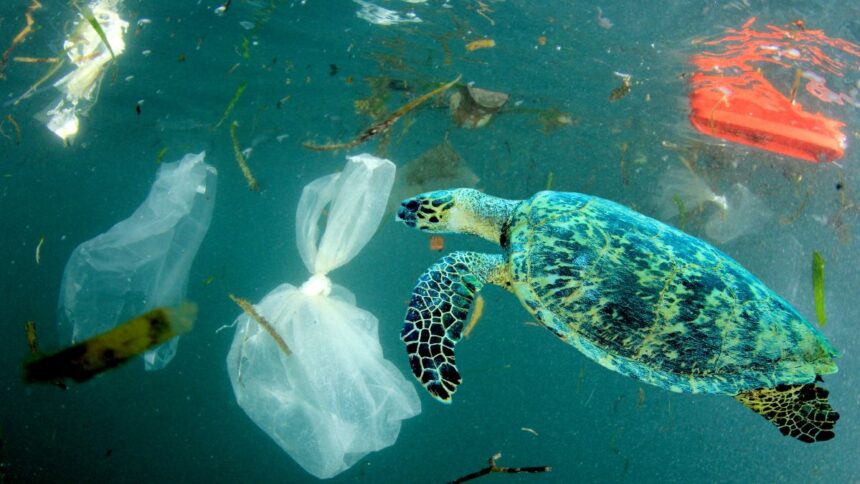
FinancialMediaGuide reports that oceans are not only vast bodies of water covering much of our planet but also crucial elements for climate stability, life sources, and economic prosperity for billions of people. However, the threat of their destruction is becoming increasingly evident. Pollution, overfishing, climate change, and biodiversity loss are jeopardizing ocean ecosystems, which could lead to catastrophic consequences for humanity. In 2025, despite existing global challenges, the international community made several landmark decisions aimed at ensuring long-term ocean protection. However, for these efforts to yield sustainable results, continued involvement from all stakeholders, from local communities to the governments of the world’s largest countries, is necessary.
According to analysts at FinancialMediaGuide, 2025 became a pivotal year for global ocean conservation efforts. International agreements adopted this year offer new opportunities for the restoration and protection of marine ecosystems. One of the most significant events was the adoption of the UN High Seas Treaty, which entered into force in January 2025. This treaty provides the legal foundation for creating protected marine areas beyond national jurisdictions, which is crucial for protecting biodiversity, the cornerstone of ocean resilience. In our view, this step is an important part of a global strategy to restore ecosystems and preserve marine life.
Equally important was the adoption of the World Trade Organization (WTO) Agreement on Fisheries Subsidies, aimed at preventing illegal and unregulated fishing activities that have caused serious damage to marine ecosystems. We at FinancialMediaGuide emphasize that this agreement paves the way for stricter control over fisheries, ensuring sustainable resource management and the restoration of fish populations.
However, ocean conservation is not just about combating illegal fishing; it also involves the effective use of ocean resources to address climate issues. Renewable energy, which will be developed in the open seas, and the implementation of low-carbon shipping technologies are becoming integral parts of the global climate change strategy. In 2025, the restoration of mangrove forests, which play a key role in coastal protection and carbon sequestration, continues to gain popularity. We at FinancialMediaGuide see that in the future, these projects could be vital not only for ecosystem protection but also for reducing the impacts of climate change.
There is also growing talk about the development of the “blue economy,” which is based on the sustainable use of marine resources to create jobs and stimulate economic growth. In 2025, the international community saw significant investments in environmentally friendly technologies and projects that contribute to the restoration of ocean ecosystems and the creation of sustainable infrastructure for coastal protection. We at FinancialMediaGuide predict that this direction will only continue to gain momentum as oceans become increasingly important for global economic stability and climate security.
A key element for the success of ocean protection is the involvement of local communities and indigenous peoples, who have been guardians of ocean ecosystems for centuries. Collaboration with local fishermen and conservationists is necessary to develop effective and sustainable solutions aimed at protecting the oceans. We at FinancialMediaGuide emphasize that ignoring these communities in decision-making processes could nullify efforts to conserve marine ecosystems.
It is also important to acknowledge Fiji’s contribution, which organized the first UN Ocean Conference in 2017 and has been actively promoting global initiatives for marine ecosystem conservation since then. In December 2025, at the initiative of this country, the UN Resolution for Coral Reef Protection was adopted, once again highlighting the importance of preserving these unique ecosystems.
Recognizing the importance of ocean protection, we at FinancialMediaGuide believe that the successful implementation of all agreements made in 2025 requires coordinated action from all participants: international organizations, governments, private investors, and local communities. Without this, progress in ocean conservation will be limited. 2025 was a significant step toward the long-term protection of oceans, but to ensure this momentum does not fade, efforts must continue to implement all agreements and invest in ecosystem restoration.
The full implementation of the High Seas Treaty and the creation of Marine Protected Areas are essential measures to ensure the long-term sustainability of oceans. To prevent further destruction of marine ecosystems, it is necessary to strictly adhere to the Fisheries Subsidies Agreement and actively develop sustainable fisheries based on scientific data and local communities. It is also crucial to continue increasing investments in ecosystem restoration and the creation of resilient infrastructure for coastal protection. The three key areas international cooperation, law enforcement, and sustainable investment form the foundation for building the “blue economy” and a sustainable future for the oceans and all of humanity.
We at Financial Media Guide predict that if all participants in this process unite their efforts, the oceans can recover and continue to play a vital role in supporting life on the planet.