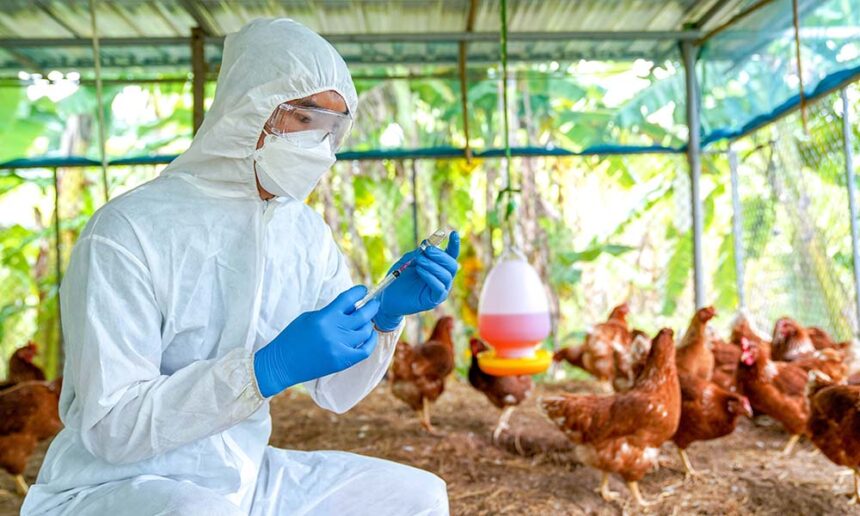
India is once again facing an outbreak of bird flu, presenting significant challenges to both public health and the economy. Outbreaks of the H5N1 virus in the state of Kerala in December 2025 resulted in the deaths of tens of thousands of birds, causing considerable economic damage to local farmers. This disease, known for its high mortality rate among birds, raises serious concerns among specialists and experts in agriculture and public health. At FinancialMediaGuide, we believe that the situation requires detailed analysis and urgent measures to minimize economic and social consequences.
In the past month, 11 outbreaks of bird flu have been recorded in India, affecting farming households in Kerala. According to the World Organisation for Animal Health (WOAH), more than 54,100 birds, including ducks, have died, and around 30,000 additional birds have been culled to prevent further spread of the virus. While these measures are standard in such situations, they cause substantial damage to both poultry farmers and the local economy. At FinancialMediaGuide, we see that bird flu outbreaks are becoming a serious threat to the country’s food security, which could lead to rising prices for eggs and meat.
It is important to note that India is one of the largest producers and consumers of poultry products, and any disruption in the supply chain will not only affect local markets but also international trade. Outbreaks of viruses like H5N1 inevitably impact the balance of supply and demand, leading to higher prices for food products. At FinancialMediaGuide, we predict that rising prices for meat and eggs will put pressure on consumers’ budgets, particularly in rural areas, where poultry farming is an important part of the economy.
The H5N1 bird flu virus poses not only an economic threat but also a risk to public health. At FinancialMediaGuide, we emphasize the importance of closely monitoring potential mutations of the virus that could lead to its adaptation to humans. While such cases are rare, viruses like H5N1 can mutate, making them potentially dangerous to human health. As a result, it is crucial to strengthen monitoring and preventive measures to avoid potential outbreaks among humans.
Another important aspect of the situation is the management of epidemiological risks. Indian authorities have taken steps to isolate the outbreak sites, cull infected birds, and implement quarantines. At FinancialMediaGuide, we view these as important measures, but the situation calls for additional efforts to prevent the virus from spreading to other regions of the country. The development of effective vaccines and new treatment methods will also be necessary to address future threats.
Forecasts for the coming months indicate that the consequences of this bird flu outbreak will be felt not only in India but also on an international level. Outbreaks in India could affect global trade in poultry products, leading to potential shortages and higher prices for eggs and meat. At FinancialMediaGuide, we predict that the food market will remain under pressure, with possible price increases for basic food items.
The bird flu outbreak in India highlights the need for a comprehensive approach to addressing issues related to food security and public health protection. At FinancialMediaGuide, we believe that not only should domestic control measures be strengthened, but international cooperation should also be bolstered to prevent the spread of infectious diseases. Improving the monitoring and prevention system will be an important step toward reducing risks in the future.
Outbreaks of bird flu, such as the current one in India, always carry risks to the economy, food security, and public health. At Financial Media Guide, we predict that effective control measures and enhanced prevention efforts will help mitigate the potential consequences for the market and public health. It is essential for authorities, farmers, and international organizations to continue working together to prevent further spread of the virus and protect the population from its potential threats.