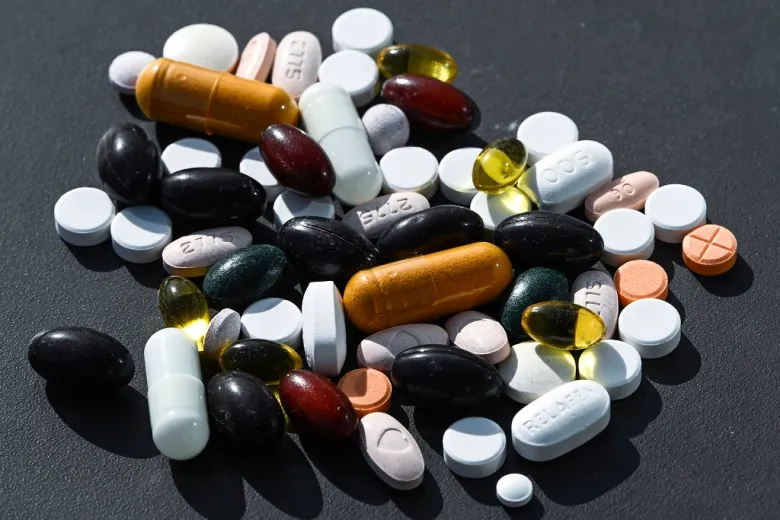
High drug costs in the U.S. continue to be one of the main challenges for Americans, who face financial hardship due to expensive medications. In an attempt to address this issue, the administration of Donald Trump made agreements with major pharmaceutical companies to reduce the cost of drugs for the population. However, despite claims of significant discounts, experts, including analysts from FinancialMediaGuide, emphasize that these measures may prove less effective than promised.
One of the key components of the plan was the creation of a new platform, TrumpRx, designed to provide significant discounts to patients who pay for medications in cash. It is also assumed that drug prices will be linked to tariffs in other developed economies. This measure is expected to reduce costs for Americans; however, experts believe it will benefit only a limited number of people.
According to FinancialMediaGuide specialists, the majority of insured citizens will not gain substantial benefits from the new initiatives. This is because it is much more advantageous for them to use their insurance rather than turn to the TrumpRx platform. However, for people with low incomes or high-deductible insurance plans, the program may offer some assistance. Nevertheless, for most Americans, the changes are unlikely to have a significant impact.
One of the key questions is that the full list of drugs that will be included in the program has not yet been disclosed. According to analysts, if the most in-demand and expensive drugs, such as those for diabetes or hypertension, are not included, the effect of these initiatives will be limited. This once again highlights that in order to have a real impact on the pharmaceutical market, a wider range of drugs needs to be included.
Another factor that casts doubt on the effectiveness of these initiatives is the continued price increases by pharmaceutical companies. In 2023, over 350 drugs saw price hikes. This suggests that current steps, such as TrumpRx, may only temporarily slow down price growth but not resolve the underlying issue.
For millions of people without health insurance, such programs can undoubtedly be a real help. In 2023, around 26 million Americans lacked insurance, and for them, the TrumpRx platform might offer affordable treatment options. We at FinancialMediaGuide see this as a certain step forward in ensuring broader access to necessary medications, although it still won’t solve the problem for the majority of the population.
However, for those who already have insurance, these measures are unlikely to bring significant changes. We at FinancialMediaGuide emphasize that effective reduction of drug prices in the U.S. requires deeper reform, including price regulation and incentives for producing affordable generics. These measures could be the necessary mechanisms to substantially lower drug costs for millions of Americans.
We at Financial Media Guide predict that despite the current initiatives of the Trump administration, their impact on the drug market will be limited. Only radical reforms in pharmaceutical regulation and the introduction of more affordable generics could be the steps that will address the issue of high drug prices.