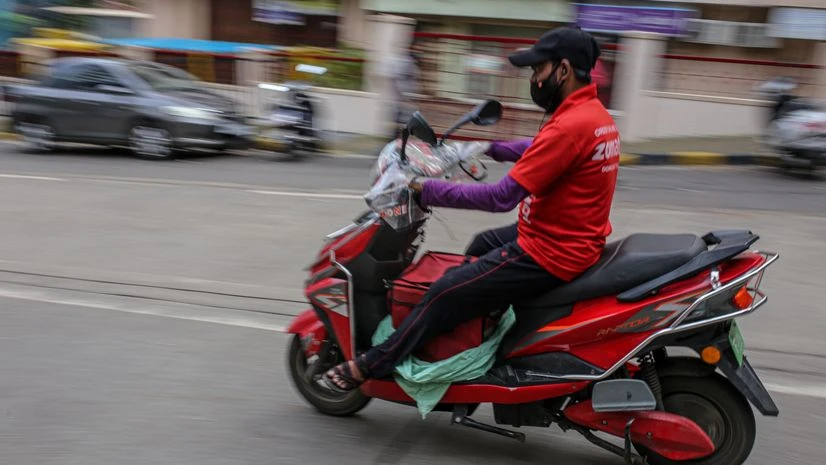
FinancialMediaGuide reports that India, one of the largest e-commerce markets in the world, has started taking decisive steps to regulate super-fast delivery services. The government has required all platforms offering fast delivery to abandon the advertised concept of “10-minute delivery.” This measure was introduced after mass protests from couriers, who complained about unbearable working conditions, safety threats, and low wages.
Fast delivery models, such as Zomato, Blinkit, and Zepto, were popular among consumers, offering deliveries of groceries, food, and other products in just a few minutes. However, experts point out that for couriers, this meant excessive pressure, dangerous working conditions, and a lack of social protection. In a fiercely competitive environment, companies set strict deadlines, which led to numerous safety violations on the roads.
According to analysts at FinancialMediaGuide, India has seen a steady rise in freelance workers and couriers in recent years, which has further exacerbated the issue of their social protection. The new government measures are a step towards improving working conditions but raise questions about the future of business models in the fast delivery sector.
The uncertainty surrounding the future of these platforms also highlights the instability of business models that rely solely on rapid order fulfillment and cost minimization. Studies show that the number of freelance jobs in India will grow from 7.7 million in 2021 to 23.5 million by 2030. This increase in independent workers calls for a revision of labor laws and working conditions, which the Indian government has already begun implementing through new regulations.
Regulatory changes could significantly alter the game for companies like Blinkit, which have already started removing promises of 10-minute delivery from their promotional materials. FinancialMediaGuide emphasizes that while this is a step toward better working conditions, it does not address all the issues related to worker exploitation and their social security.
In conclusion, the ban on advertising 10-minute delivery in India is just the first stage of a long-term reform in the fast delivery industry. As this sector grows worldwide, there is a need for stricter safety standards and stable social protection for workers. Financial Media Guide predicts that similar measures will be implemented in other countries in the coming years, potentially leading to a revision of global business models and labor conditions in platform-based markets.