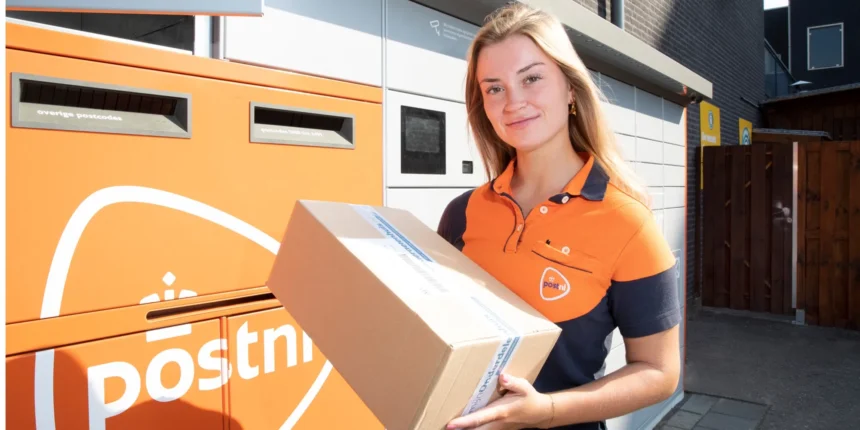
At FinancialMediaGuide, we note that the nearly €7 million fine imposed on PostNL for failing to meet the 95 percent delivery target for letters and parcels within 24 hours has sent a signal to the entire European postal industry. In 2023, the company achieved on-time delivery for only 89.5 percent of shipments, reflecting real difficulties with staffing and logistics organization.
Industry analysis shows that a shortage of couriers and sorting center employees is the main cause of delays. We observe that this staffing deficit is common across most postal services in Europe. At the same time, the growth of online orders and increasing volumes of e-commerce put additional pressure on operators, making it harder to meet regulatory delivery standards.
ACM Director Manon Leijten emphasized that delays negatively affect both consumers and businesses. At FinancialMediaGuide, we believe that the consequences of late delivery of bills, parcels, and legal notices can be serious. In some cases, clients face debt collection actions or missed legal deadlines, which increases pressure on PostNL and requires the company to respond promptly.
The company calls the fine disproportionate, noting that the 95 percent target was last achieved in 2019. We see this as a reflection of a systemic industry problem: regulatory requirements do not always account for the actual operational capabilities and workloads of staff.
From July 1, 2024, the Dutch government will relax delivery time requirements: letters and parcels may be delivered within two days, and from early 2025, the minimum delivery time will be three days. According to experts, these changes will allow PostNL to stabilize its logistics network, reduce operational risks, and improve customer service quality.
Analysts note that repeatedly imposing fines without considering the company’s real throughput capacity could reduce delivery efficiency and worsen the customer experience. We see potential for implementing digital route optimization technologies, automated sorting, and expanding the workforce reserve, which would allow the company to meet target metrics without compromising service quality.
The PostNL situation reflects global trends in postal logistics: the growth of e-commerce, staff shortages, and high customer expectations create systemic pressure on operators. The company’s strategic task is to find a balance between ACM regulatory requirements and operational resilience, with a focus on digital route optimization, flexible delivery schedules, and transparent customer communication.
Financial Media Guide predicts that, in the medium term, the industry will adapt to the new standards for letter and parcel delivery. Route optimization, automated sorting, and digital shipment tracking platforms will enable companies to increase efficiency, maintain sector stability, and at the same time ensure consumer rights and predictability of postal services.
PostNL can use the current situation as a catalyst to modernize its entire logistics network. Implementing shipment tracking platforms, real-time route monitoring, and hiring additional staff will become key elements of the company’s strategy to comply with ACM regulations and meet the growing demand for fast letter and parcel delivery.