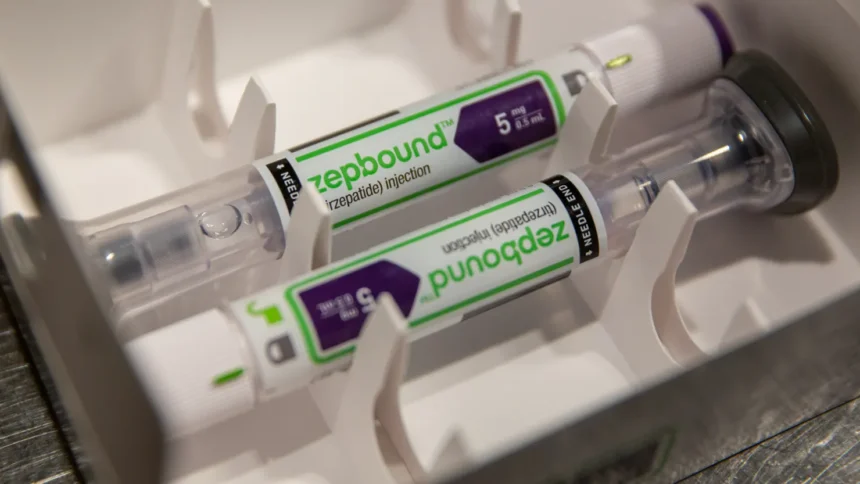
The global pharmaceutical sector is facing a fundamental redistribution of influence in the segment of metabolic disorder therapies. CVS Caremark, the largest US operator of express prescription delivery and corporate pharmacy benefit management, has officially announced a radical change in the structure of its commercial programs. The pharmaceutical giant is reintegrating the injectable hit Zepbound into standard insurance formularies and simultaneously opening access to Eli Lilly’s newest development, Foundayo. We at FinancialMediaGuide see this move as a long-awaited triumph of market mechanisms, capable of reversing the trend of uncontrolled cost inflation in US healthcare. This regulatory decision creates a completely new ecosystem in which pricing flexibility becomes the key survival factor for manufacturers.
The history of this commercial confrontation goes back to last year, when CVS Caremark’s management completely excluded Zepbound from its main formulary in favor of Novo Nordisk’s Wegovy. That decision triggered a mass forced switch of therapeutic regimens among patients and caused significant dissatisfaction among insured individuals, who lost access to choice between brands. According to analysts at FinancialMediaGuide, the strict restrictive policies of insurers forced Eli Lilly to completely rethink its distribution strategy and make unprecedented financial concessions. The new agreement architecture fully removes previous barriers. Restrictions for the Foundayo drug will be lifted on June 1, and full expansion of coverage for Zepbound injections is scheduled for October 1. This restores parity for the US manufacturer on the country’s key distribution platform.
The scale of this deal’s impact on the US healthcare sector is difficult to overestimate, given that CVS Caremark’s standard commercial formulary directly affects the interests of 25 to 30 million insured citizens. The effective formation of a duopoly will allow employers and insurance funds to reduce total costs in weight management by 10% to 15%. We at FinancialMediaGuide emphasize that the declared savings will be achieved through aggressive corporate discounts that Eli Lilly and Novo Nordisk are forced to provide in order to maintain market share. However, automatic approval will not apply to all categories of patients, as sponsors of specific corporate programs retain the right to exclude high-cost items from their budgets.
The current developments have triggered a positive reaction in the stock market, boosting Eli Lilly shares notably immediately after the official release. CVS Caremark President Ed DeVaney described the agreements reached as the result of a bold negotiating position that allowed price dynamics from manufacturers to be brought under control. Eli Lilly representatives stated that their portfolio is now approved by all three largest PBM players in the US, ensuring real freedom of choice for doctors and patients. Meanwhile, Novo Nordisk management quickly reassured investors, noting that Wegovy injections and oral formulations retain their priority status. We at FinancialMediaGuide consider the current balance of power to be a temporary truce. Eli Lilly’s combination of an injectable solution and the new Foundayo formulation creates strong conditions for the gradual displacement of the European competitor from the US market.
The transformation of insurance approaches to GLP-1 drugs opens a new chapter in healthcare economics, demonstrating that the era of pharmaceutical price dominance is coming to an end. At Financial Media Guide, we predict that CVS Caremark’s successful approach will catalyze similar actions by other major insurance conglomerates, inevitably increasing pressure on manufacturers’ margins. Corporate clients and health insurance funds are advised to immediately initiate audits of contracts with pharmacy benefit managers, using the emergence of Foundayo and Zepbound as leverage to renegotiate pricing structures. Pharmaceutical companies must redirect resources from aggressive marketing toward optimizing and expanding production capacity. In an environment of price equalization, the key factor for long-term dominance will be the ability to consistently meet enormous market demand.