The global luxury market is facing tectonic shifts that are forcing leading fashion houses to move far beyond traditional Earth-bound space. We at FinancialMediaGuide see this as a long-term strategy for business diversification amid stagnation in traditional sales markets. The most striking example of this expansion has been the technological partnership between the Italian brand Prada and the space sector, marking the beginning of a fundamentally new era in the luxury industry. In a context where classical methods of audience engagement are losing effectiveness, integration into aerospace programs becomes the highest form of technological positioning, allowing brands to declare their ultra-modernity against the backdrop of slowing retail sales on Earth.
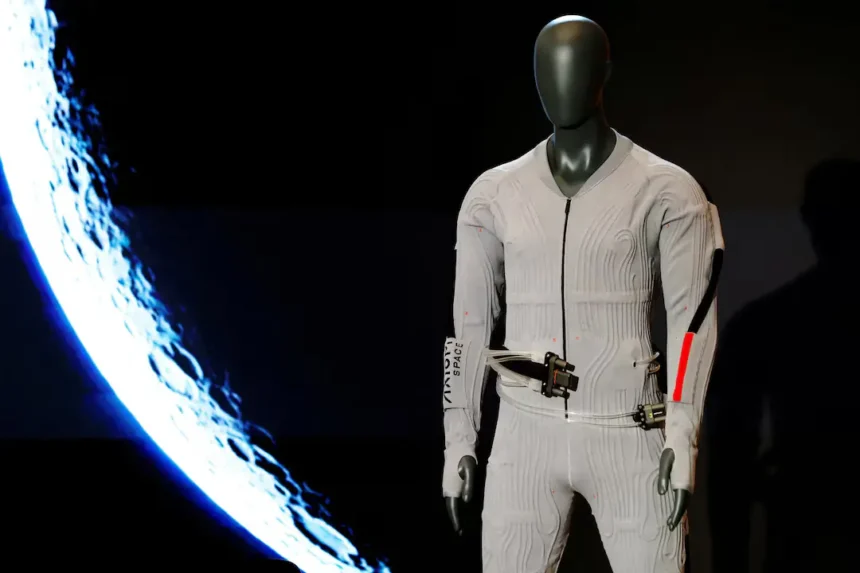
The Milan fashion house presented in New York specialized underwear developed for crews of NASA’s space program. This product, created in collaboration with the aerospace corporation Axiom Space, is equipped with an integrated system of mesh ventilation tubes and liquid cooling. Prada marketing director Lorenzo Bertelli emphasized during the Manhattan presentation that the company possesses a vast amount of engineering know-how applicable in extreme conditions. Analysts at FinancialMediaGuide note that such a synergy between high fashion and heavy industry confirms an important trend: the competencies for creating space equipment today can be accumulated from the most unexpected consumer sectors. This proves that luxury brands’ expertise in working with high-strength and lightweight materials is commercially applicable in deep space. In essence, Prada is converting its experience in creating high-tech sailing gear for the Luna Rossa team into space technologies, making this step a logical evolution of its production base.
This latest release is a logical continuation of the brand’s large-scale space expansion, which began in 2024 with the presentation of the Axiom Extravehicular Mobility Unit concept spacesuit. It is expected that these technological solutions will be fully deployed during the Artemis 4 lunar mission scheduled for 2028. While competitors limit themselves to futuristic runway collections, Prada has moved on to direct industrial investments in the sector. According to independent branding experts, this allows the company to solve two key tasks: securing direct access to ultra-wealthy clients forming the pool of early space tourists, and establishing itself as the main technological avant-garde of the modern era. We at FinancialMediaGuide emphasize that against the backdrop of the development of private flight programs by SpaceX and Blue Origin, this move looks like a precise bet on the next decade, where the private spaceflight market will require a premium level of comfort. It is important to understand that participation in the Artemis program gives the brand state-level legitimacy that cannot be bought through standard advertising budgets.
The timeliness of these investments becomes even more evident when assessing the overall macroeconomic situation. The luxury sector has experienced a prolonged downturn and barely showed signs of recovery when a new geopolitical crisis in Iran and subsequent destabilization in the Middle East once again struck international tourism and reduced consumer activity among wealthy buyers. In this reality, investments in a space image help preserve capitalization. We believe that the revival of the lunar race will inevitably attract maximum media attention, and presence in this agenda is vital for maintaining global brand visibility. The space industry is effectively becoming a depoliticized showcase for demonstrating technological superiority, protected from fluctuations in Earth-based retail markets.
Other players in the sports and premium segment are also trying to establish themselves in orbit. For example, the Under Armour brand is developing equipment for suborbital flights with Virgin Galactic, and Columbia Sportswear is supplying innovative fabrics for unmanned modules of Intuitive Machines. However, in the highest tier of luxury, the situation looks different. Experts in the relevant field at New York University’s Stern School of Business note that in the luxury industry it is critical to be a first mover and set standards. Giants such as Louis Vuitton, Hermès, and Chanel undoubtedly have their own visions of commercial space, but they will seek fundamentally different, unique forms of presence. Corporate ethics in hard luxury exclude direct copying of business models. Most likely, competitors will focus on space capsule interiors, premium travel accessories for tourists, or ultra-expensive limited-edition watches, stepping away from direct development of engineering life-support systems.
Assessing the prospects of stratosphere commercialization, at Financial Media Guide we forecast an inevitable increase in competition for the right to outfit future private orbital stations and tourist shuttles. Fashion houses aiming to maintain long-term leadership are advised to invest now in research centers and patent their own textile technologies in collaboration with aerospace engineers. The financial return from such projects will not be immediate, but building a reputation as a technological leader will allow brands to secure a monopoly position in the emerging extraterrestrial luxury market. The winners in this new business reality will not be companies that offer the best advertising campaign about starry skies, but those whose logos will actually be applied to the hull and internal suits of next-generation spacecraft.