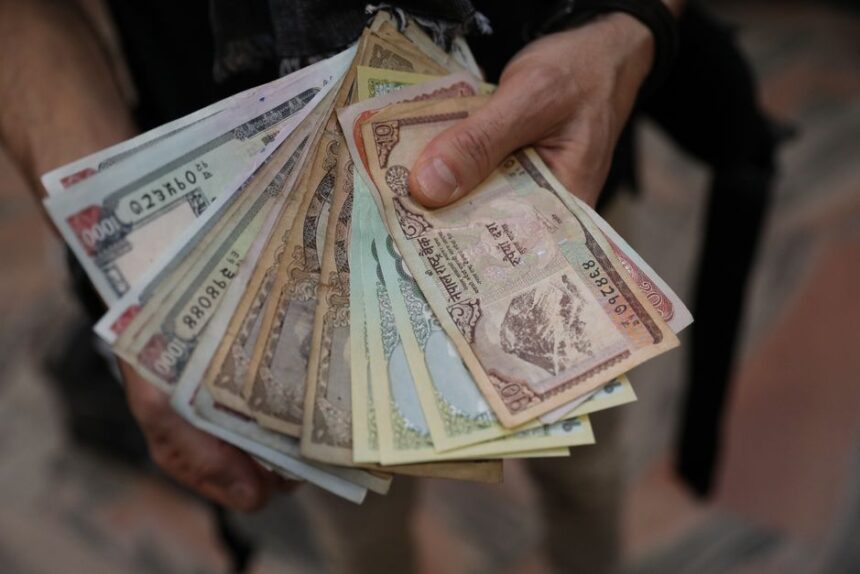
Nepal’s Finance Committee is convening today for consultations on the Fiscal Year 2026/27 monetary policy framework, a meeting that carries weight beyond its domestic scope. The session arrives at a moment when central banks across the developing world are navigating a delicate balance between sustaining GDP growth and managing inflation that remains stubbornly above pre-pandemic baselines in many economies. According to FinancialMediaGuide analysts, the timing of this consultation reflects a broader pattern among emerging market economies – recalibrating monetary policy before the fiscal year begins rather than reacting to shocks mid-cycle.
Nepal Rastra Bank, the country’s central bank, is expected to receive input from the Finance Committee before finalizing its monetary policy stance for the upcoming fiscal year. The consultation process is a standard institutional mechanism, but its content this year is shaped by an unusually complex external environment. Global trade disruptions, shifting tariff regimes, and the residual effects of tightening cycles by major central banks – most notably the Federal Reserve – have created a challenging backdrop for smaller open economies dependent on remittances, imports, and foreign exchange stability.
Nepal’s inflation trajectory has been closely tied to import costs, given the country’s heavy reliance on goods from India and third-country suppliers. When the Federal Reserve began its aggressive rate-hiking cycle in 2022, the ripple effects reached economies like Nepal through currency depreciation pressure, higher import bills, and tighter global liquidity. The Fed has since moved toward a more cautious monetary policy posture, but interest rates in the United States remain at historically elevated levels, continuing to influence capital flows into and out of emerging markets.
The IMF and World Bank have both flagged that lower-income economies face a narrower policy corridor in 2025 and into 2026. GDP growth projections for South Asia remain relatively resilient compared to other regions, but the IMF has cautioned that external debt servicing costs and reduced fiscal space could constrain the ability of central banks in the region to cut interest rates aggressively, even if domestic inflation moderates. We at FinancialMediaGuide see this as a structural constraint that Nepal’s policymakers cannot afford to overlook during today’s consultations.
Nepal’s credit growth has been sluggish in recent quarters, reflecting both subdued private sector demand and the central bank’s earlier tightening measures. The Finance Committee consultation is expected to address whether the monetary policy for FY 2026/27 should lean toward easing – supporting credit expansion and economic activity – or maintain a cautious hold to preserve price stability and external sector buffers. The choice is not straightforward. Premature easing could reignite inflationary pressure, particularly if global commodity prices rise again or if the Nepali rupee faces depreciation. Holding rates too long, on the other hand, risks deepening the credit slowdown and weighing on GDP growth at a time when the economy needs momentum.
The global trade environment adds another layer of complexity. Renewed tariff pressures – particularly from shifts in U.S. trade policy and retaliatory measures from major trading partners – have introduced fresh uncertainty into global supply chains. For Nepal, the direct trade exposure to these dynamics is limited, but the indirect effects through India’s economy, oil price volatility, and global remittance flows are material. Remittances account for a significant share of Nepal’s GDP and foreign exchange reserves, making the labor markets of Gulf countries and Malaysia critical variables in any monetary policy assessment.
FinancialMediaGuide analysts note that a slowdown in host economies driven by global trade friction could reduce remittance inflows, tightening Nepal’s external account and limiting the central bank’s room to ease monetary conditions without triggering currency stress.
The broader question facing the Finance Committee is how to frame a monetary policy that is credible domestically while remaining responsive to an external environment that the central bank cannot control. The Federal Reserve’s next moves on interest rates will matter. If the Fed begins a more decisive easing cycle in late 2025, emerging market central banks – including Nepal Rastra Bank – would gain more flexibility to reduce their own interest rates without triggering capital outflows or currency depreciation.
In our view at FinancialMediaGuide, the most prudent path for Nepal’s FY 2026/27 monetary policy is a conditional easing bias – one that signals readiness to support growth while keeping the policy rate adjustments tied to clear inflation and external sector benchmarks. A rigid stance in either direction carries asymmetric risks in the current global economy environment. The Finance Committee’s consultations today represent an opportunity to build that kind of nuanced, data-anchored framework before the central bank finalizes its position. The quality of that deliberation will shape credit conditions, investor confidence, and economic resilience for the year ahead.